
Last updated November 4, 2026
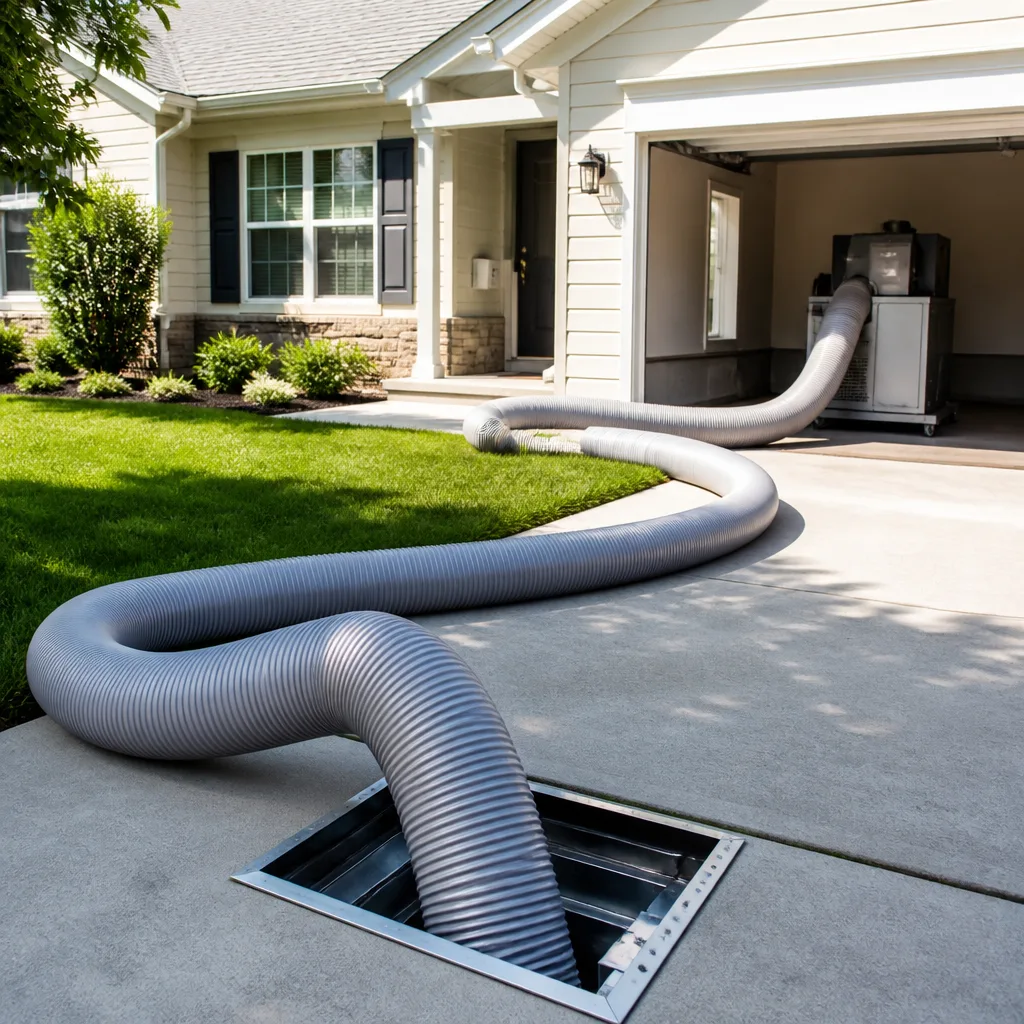 Whole-home duct cleaning
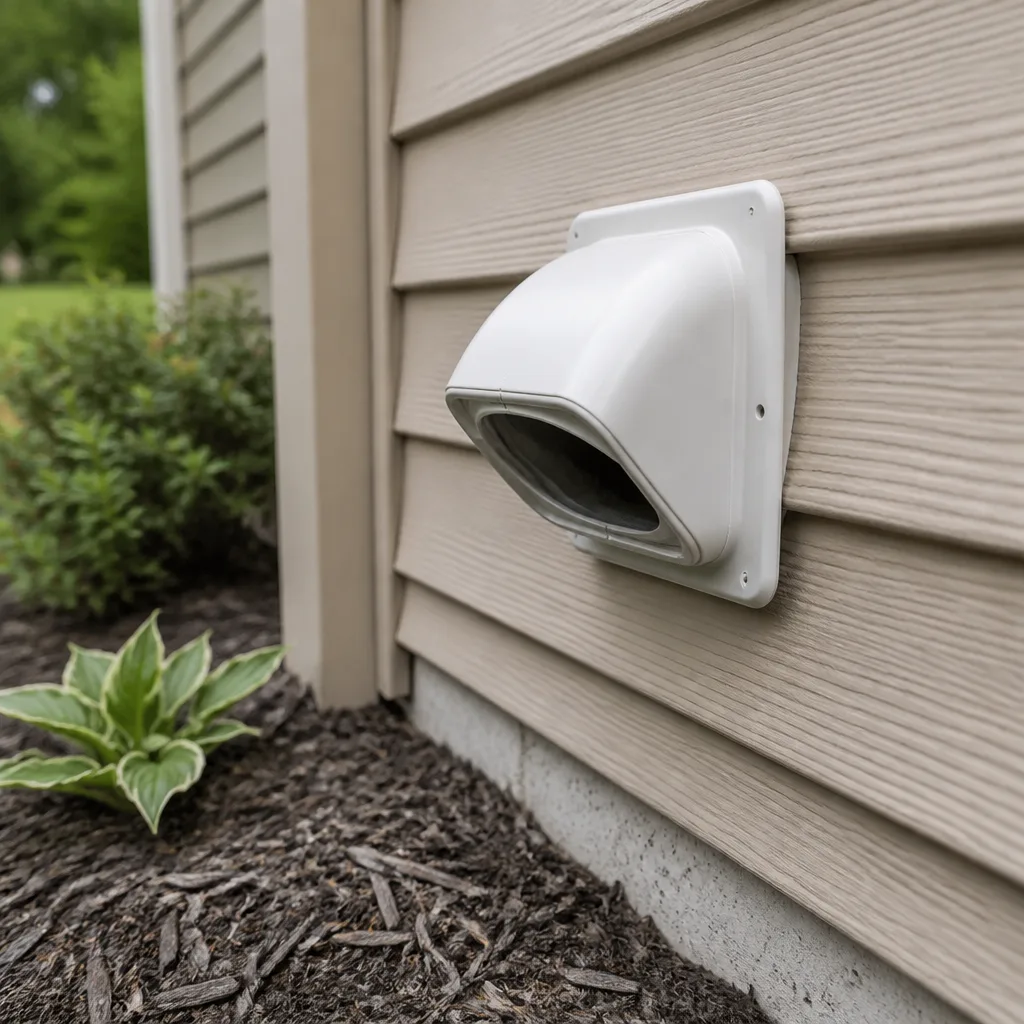 Dryer vent cleaning
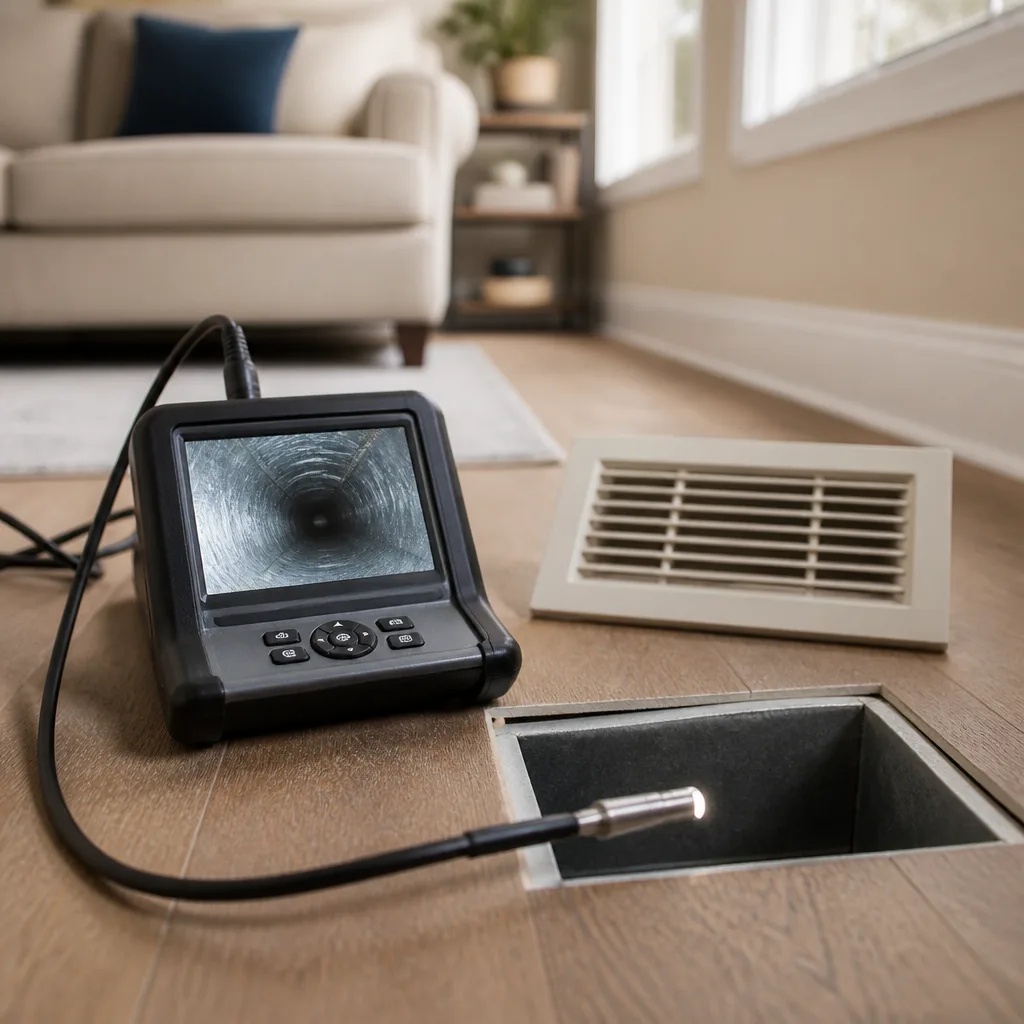 Camera inspection
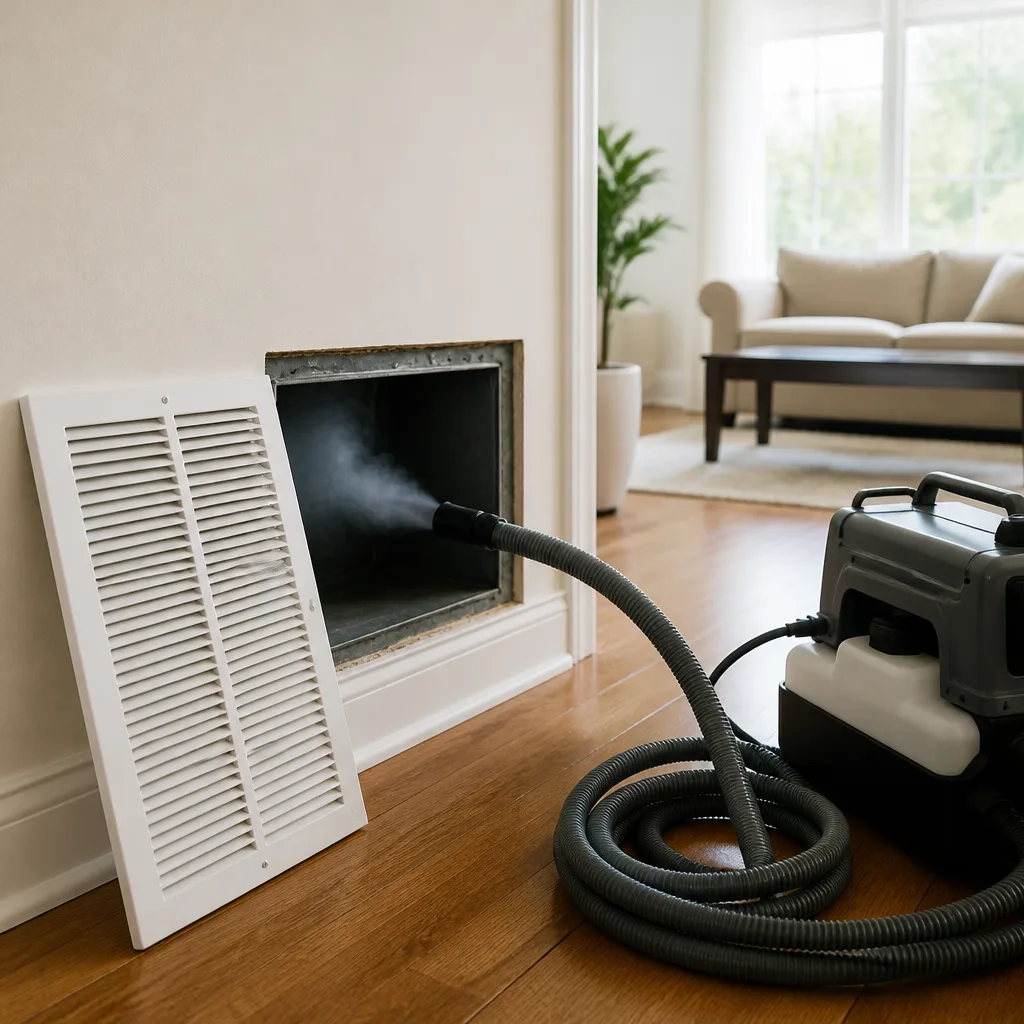 Sanitizing & deodorizing
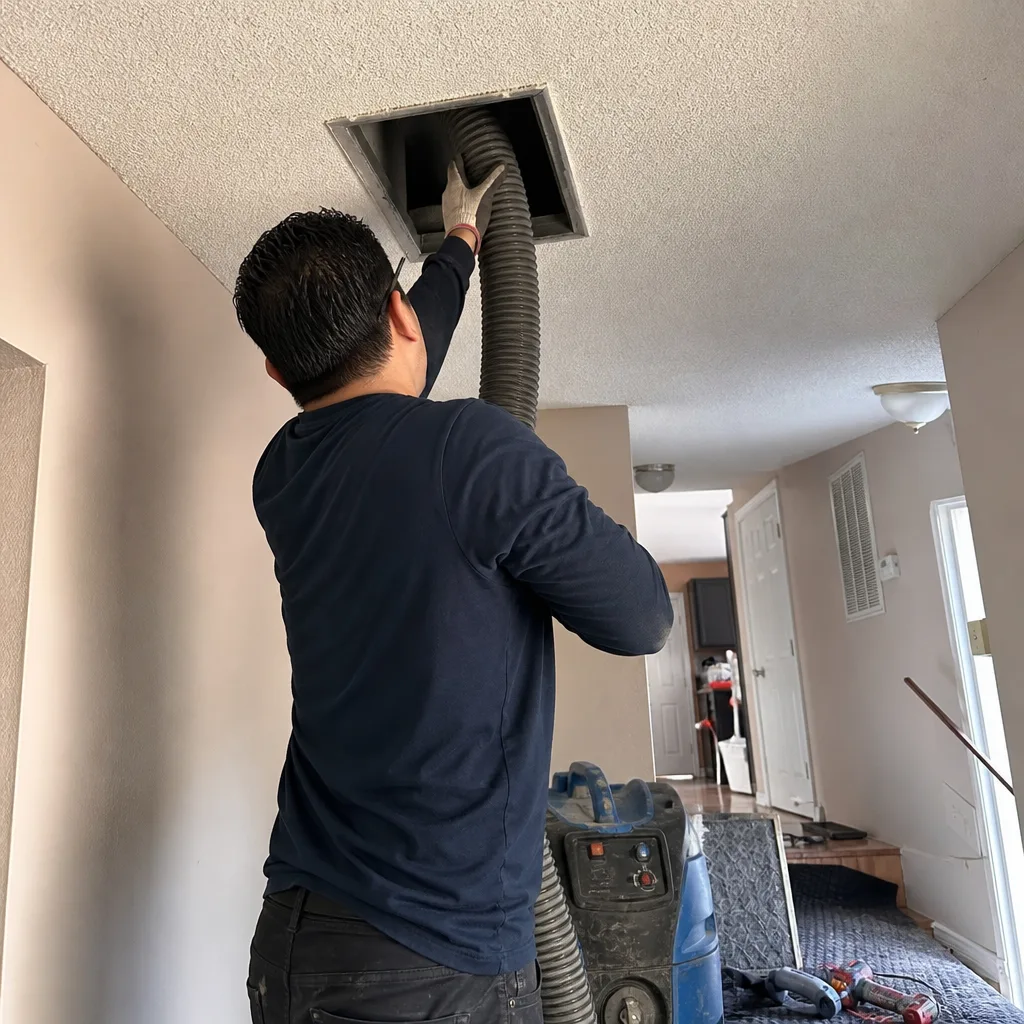
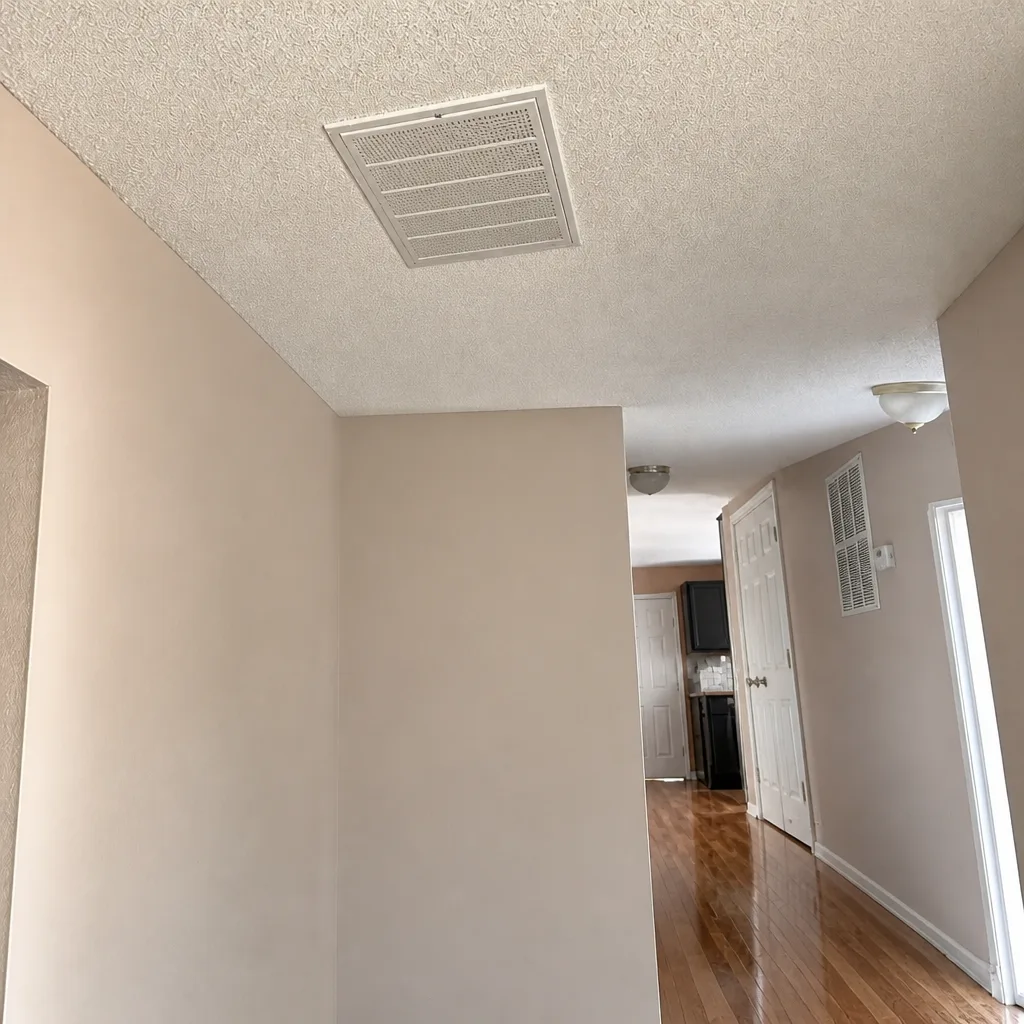
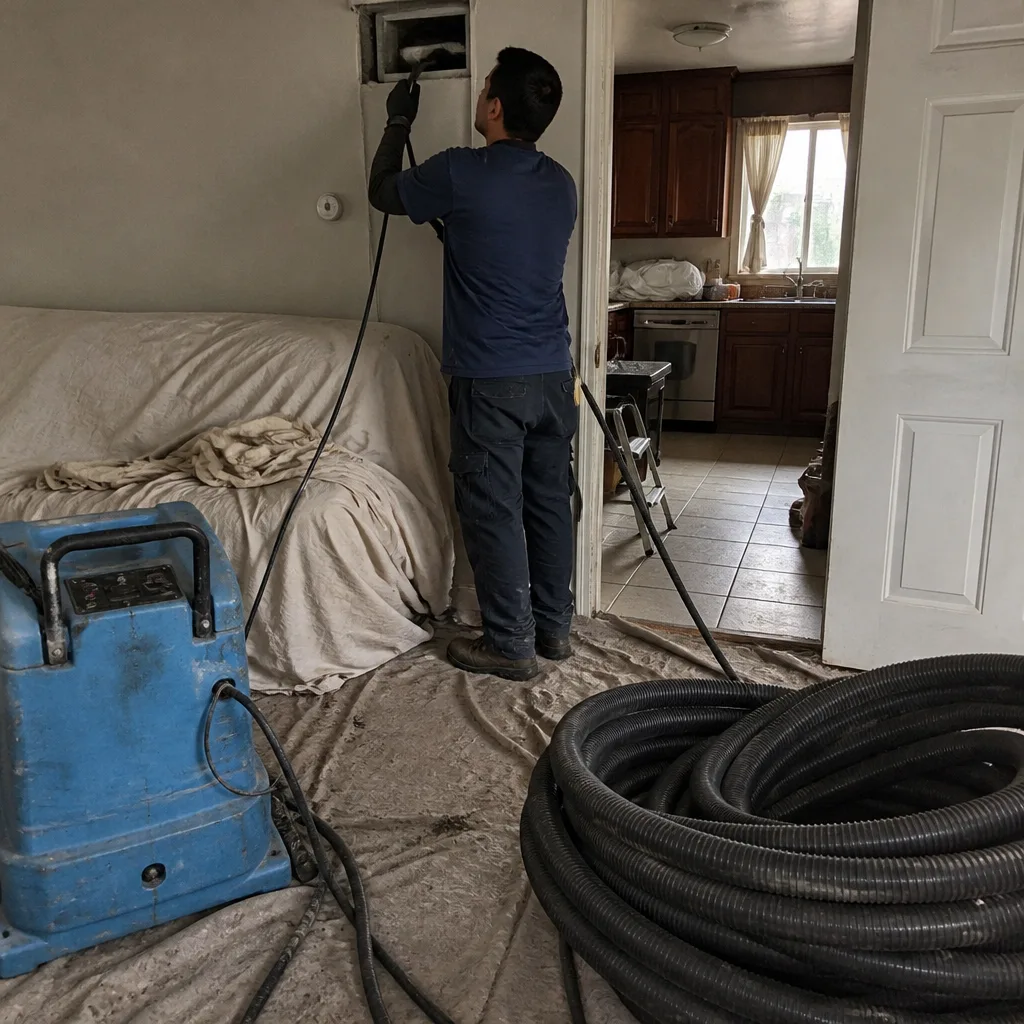
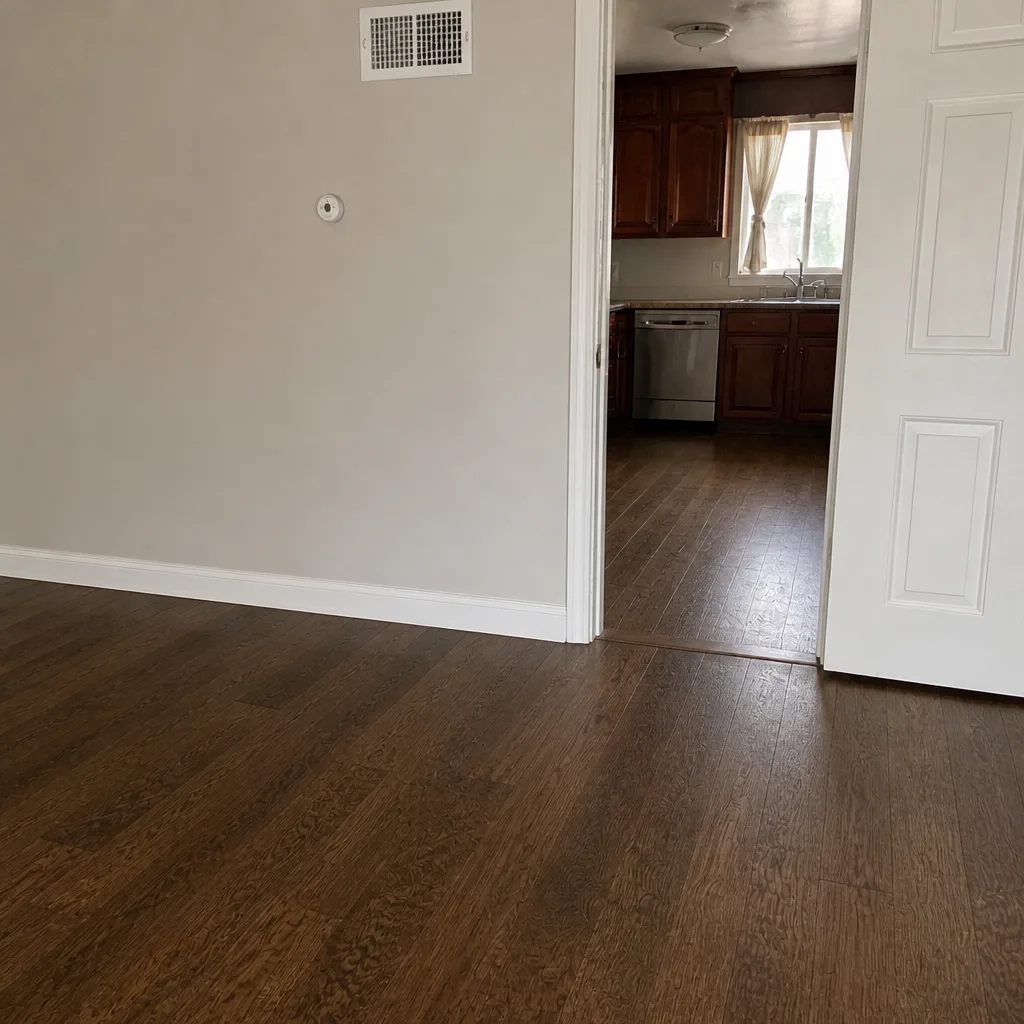
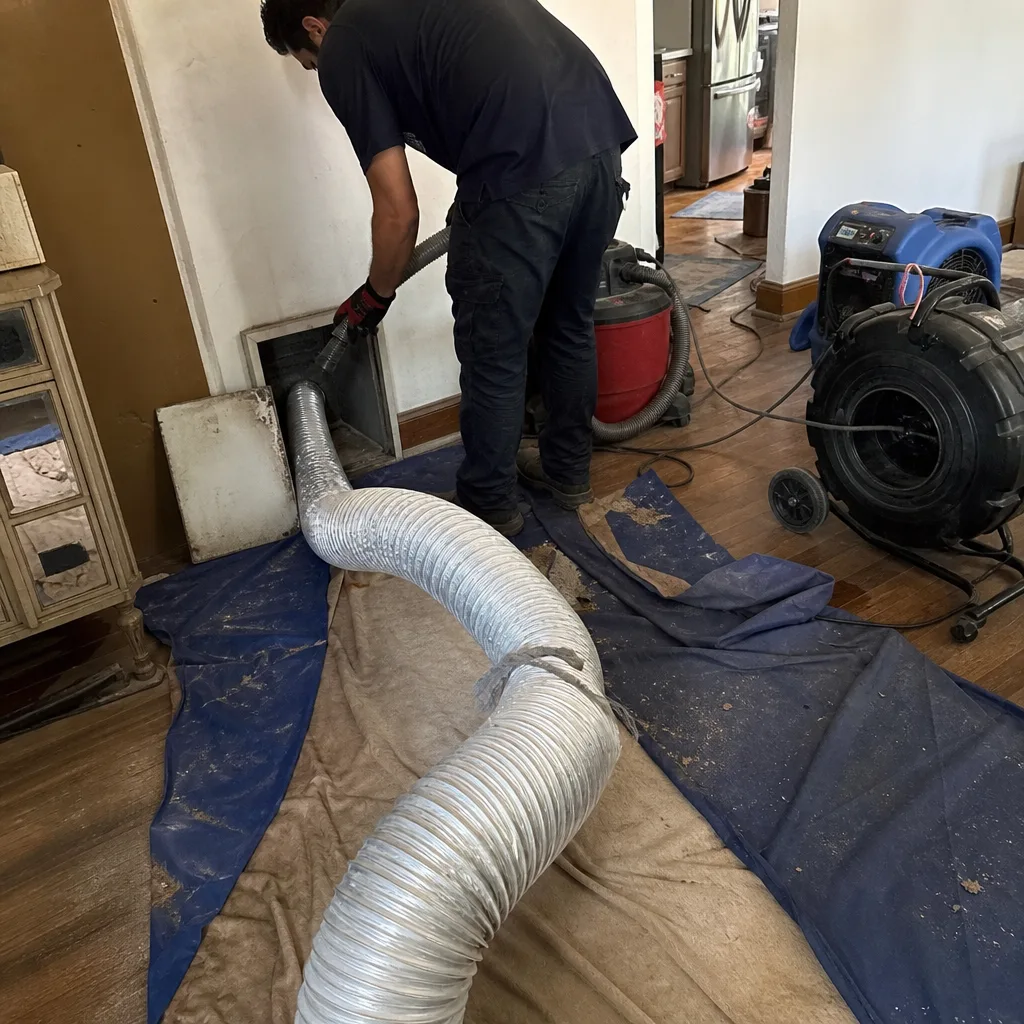
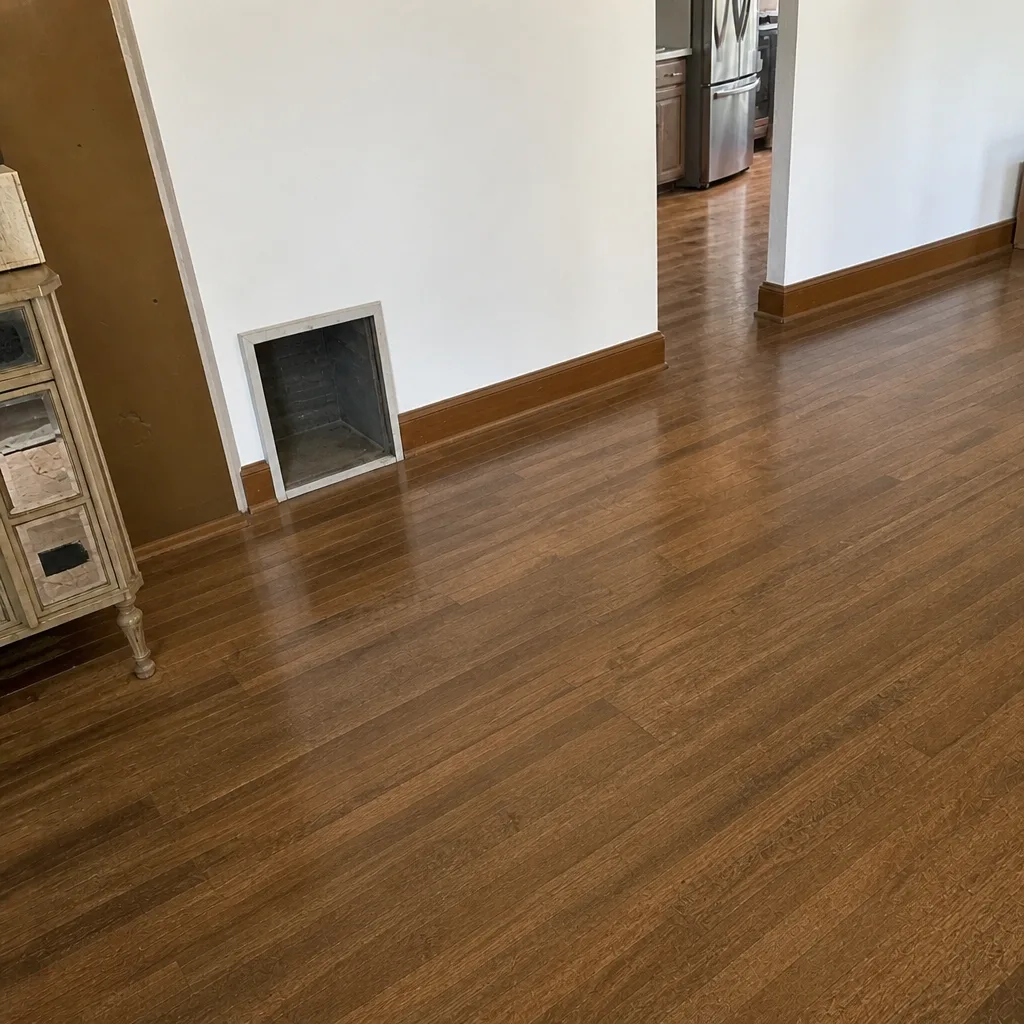
Whole-system duct and dryer vent check with before-and-after photos - you see exactly what came out of your vents
That "$99 whole-house special" is a bait ad - the real number appears once they are in your hallway, or the "clean" is a shop-vac at the register. We photograph the inside of your ducts before and after instead.
Air Duct Cleaning Troubleshooting in North Hollywood: Common Problems and How to Fix Them
Most homeowners treat an air duct symptom as if it has one cause. Musty smell? Spray something. Weak airflow? Change the filter. Dusty registers? Clean more. None of that works for long because a single symptom usually branches into two or three distinct mechanical or biological sources. This guide breaks down what’s actually happening inside the ductwork of North Hollywood homes, why the common fixes miss, and how to match each problem to its real solution before you spend money on the wrong repair.
Quick Answer
Air duct problems in North Hollywood homes usually trace back to one of four root causes: disconnected duct sections pulling unfiltered air, microbial growth feeding on dust and humidity, restricted airflow from collapsed or undersized runs, or debris accumulation from renovations. The fix depends on which system is failing, not just how dirty the ducts look. A professional evaluation that includes negative-pressure testing and visual inspection of the duct interior identifies the actual source so the right repair gets applied the first time.
Styles & brands we work with
- Whole-home duct cleaning
- Dryer vent cleaning
- Camera inspection
- Sanitizing & deodorizing
Table of Contents
- Symptom-to-Cause Matrix: What Your Ducts Are Actually Telling You
- Musty Smells: Mold, Rodents, or Drain Pan?
- Why Negative-Pressure Testing Finds What Visual Inspections Miss
- Post-Cleaning Red Flags: When the Job Was Done Wrong
- When Duct Cleaning Is the Wrong Answer
- Dryer Vent Troubleshooting: A Separate Risk Entirely
- How North Hollywood Housing Stock Affects Duct Problems
- Common Mistakes to Avoid
- When to Call a Professional
- Frequently Asked Questions
Symptom-to-Cause Matrix: What Your Ducts Are Actually Telling You
A homeowner who buys a UV light to kill mold odor in their ducts, when the real source is a disconnected return-air trunk pulling attic air, will spend $400 and still smell the problem next summer. That’s the failure pattern we’re solving here. Each symptom below has multiple possible origins. The wrong diagnosis wastes the repair budget and leaves the underlying problem untouched.
Weak Airflow From One or Two Rooms
- Collapsed flex duct: Older flexible duct runs in North Hollywood attics sag over time. The inner liner separates from the insulation and collapses inward, choking airflow to a fraction of its design volume.
- Disconnected branch line: A section of duct that has separated at a joint dumps conditioned air into the attic or crawlspace. The room still gets some air through leakage, so the problem reads as “weak” rather than “none.”
- Undersized or kinked run: Some homes were built with marginal duct sizing. A renovation that added square footage without upsizing the duct to that zone makes the problem permanent until the run is replaced.
- Closed or blocked balancing damper: These manual dampers near the plenum get adjusted once and forgotten. A damper that’s drifted shut starves an entire branch.
Dusty Registers and Surfaces Within Days of Cleaning
- Return-side leakage: The return duct pulls from the attic, wall cavity, or garage instead of the living space. It draws in dust, insulation fibers, and whatever else is in those spaces, then distributes it through the supply side.
- Bypassed filter: A filter that doesn’t seal correctly in its slot lets unfiltered air flow around it. The duct system stays dirty no matter how often the filter is changed.
- Post-renovation debris: Drywall dust from a recent remodel coats the inside of the ducts and keeps shedding for months. The ducts need a full cleaning, not another surface wipe-down.
Uneven Heating or Cooling Between Rooms
- Return path starvation: Bedrooms with closed doors and no dedicated return or transfer grille create positive pressure that fights the supply air trying to enter. The room never reaches comfort temperature.
- Leaking supply duct in unconditioned space: A supply run in the attic with a separated joint cools or heats the attic instead of the room. The system runs longer to compensate, and the far rooms never catch up.
- Improperly balanced system: The original install never accounted for solar gain differences between north- and south-facing rooms in North Hollywood’s climate. The hotter side of the house always lags.
Higher Utility Bills Without a Lifestyle Change
- Duct leakage to unconditioned space: Every cubic foot of conditioned air that escapes into the attic is paid for twice. The system replaces it, conditions it, and loses another portion again.
- Restricted airflow increasing system runtime: A partially collapsed duct or fouled coil forces the blower to work longer to hit the thermostat setpoint. Runtime is the single biggest driver of HVAC energy cost.
- Disconnected return pulling extreme-temperature air: A return that draws 120-degree attic air in August makes the system work against itself. The cooling load spikes and the cycle lengthens.
North Hollywood’s warm, dry summers make attic air particularly punishing. A duct system that leaks even 15% of its airflow into a 130-degree attic space adds a significant load to the cooling system. The problem isn’t the AC unit. It’s the ductwork between the unit and the rooms.
Musty Smells: Mold, Rodents, or Drain Pan?
A musty odor from the vents does not automatically mean mold in the ducts. Three common sources produce similar smells, and each needs a different fix. Treating the wrong one leaves the odor in place and often adds an unnecessary expense.
- Microbial growth on the coil or in the duct liner: This develops where dust meets moisture. In North Hollywood’s climate, the moisture source is usually the condensate from the cooling coil during the warm months. The coil stays wet while the system runs, and the dust that reaches it becomes a growth medium. The smell is strongest when the system first starts up after being off.
- Dead rodent in the ductwork or near the air handler: A distinct, sharp, decaying smell that gets worse over days, then fades over weeks. It typically comes from one specific vent or from the return grille. The source is usually in the return duct, the air handler cabinet, or the chase behind the equipment.
- Drain pan overflow or standing water: A clogged condensate drain or a pan that’s not tilted correctly holds water indefinitely. The smell is musty but slightly different from coil growth, and it’s often accompanied by visible water staining near the air handler or a gurgling sound from the drain line.
The test that separates these: turn the system off and let it sit for two hours, then turn it back on and stand at the supply register. A coil or duct-liner smell appears immediately and then fades as the system runs. A rodent smell builds slowly and stays. A drain pan smell is usually accompanied by elevated humidity in the home or visible moisture at the equipment.
If the source is the coil or duct liner, the fix includes cleaning the affected surfaces. If it’s a dead rodent, the removal is step one, followed by cleaning and sealing the entry point that let the animal in. If it’s the drain pan, clearing the drain line and correcting the pan slope solves the problem. For any of these, a technician who can inspect the entire pathway rather than just the visible portion is the difference between a solved problem and a recurring one.
Why Negative-Pressure Testing Finds What Visual Inspections Miss
Visual inspection of ductwork tells you what the technician can see from the access points. It cannot tell you whether a duct section has separated inside a wall cavity, under a slab, or in a part of the attic that’s difficult to reach. In older North Hollywood homes with slab foundations, a significant portion of the duct system runs through spaces that no camera or flashlight reaches.
Negative-pressure testing works differently. The system is sealed and placed under controlled negative pressure with a calibrated fan. The test measures how much air leaks from the system. If the leakage rate exceeds the design standard, there’s a separation or hole somewhere, whether or not it’s visible from any access point.
Here’s the step-by-step of how it works in practice:
- Seal all supply and return registers: Every opening in the system gets sealed so the only path for air movement is through the test fan.
- Connect the calibrated fan to the air handler or a register opening: The fan pulls air from the duct system, creating negative pressure inside the ducts.
- Measure airflow and pressure differential: The fan reports how many cubic feet per minute it moves to hold a specific pressure. That number, compared to the system’s surface area, produces the leakage rate.
- Compare to the standard: If the measured leakage is meaningfully higher than expected for a sealed system, there’s a problem that visual inspection missed.
- Locate the breach: With the system under pressure, a technician can sometimes feel or hear the leak point in the attic or at the equipment. In other cases, a smoke pencil or thermal imaging narrows the area. Once located, the separation is repaired and the test is repeated to confirm.
This matters for North Hollywood homes specifically because of the housing age. Many homes were built before duct sealing was a code enforcement priority. Systems that were leaky on day one have only gotten worse as duct tape dries out and joints separate. A homeowner who has lived with weak airflow for years may not realize how much conditioned air has been escaping into the attic or under the slab the entire time.
Post-Cleaning Red Flags: When the Job Was Done Wrong
A proper air duct cleaning should leave the system measurably cleaner and quieter. When the work fails, the signs show up quickly. Here’s what to watch for after any duct cleaning in North Hollywood.
Immediate Re-Dusting of Registers Within 48 Hours
If surfaces near the registers show visible dust accumulation within two days of the cleaning, the job was incomplete or the system has a return-side leak that reintroduced debris immediately. A thorough cleaning using contact agitation and HEPA-filtered negative air removes the accumulated debris from the duct walls. If the source of contamination is a leak, the cleaning should have identified it and recommended repair. When the dust returns that fast, either the debris wasn’t fully extracted or the leak was never addressed.
Pressure Imbalances After Cleaning
A cleaning that disturbs or damages a balancing damper, or that knocks a section of duct partially loose, can change how the system distributes air. One room suddenly gets more air while another starves. This is not a normal post-cleaning result. It indicates the work altered the system’s configuration and the company should return to correct it.
Odors That Return Within Two Weeks
If a smell disappeared immediately after cleaning but returned within two weeks, the cleaning removed the symptom, not the source. The source of the odor, whether it’s standing water, a dead animal in the return chase, or a disconnected run pulling contaminated air, is still in place. A responsible cleaning includes an inspection that identifies these issues so the homeowner can decide whether to address them at the same visit.
Visible Debris in the Duct Interior After the Job
Ask for before-and-after photos of the duct interior. A contractor who uses professional equipment can produce them. If the after-photos show visible debris remaining on the duct walls or in the bottom of the return, the extraction step was inadequate. The job should be redone properly.
When Duct Cleaning Is the Wrong Answer
Duct cleaning removes accumulated debris from the interior of the duct system. It does not repair holes, replace collapsed sections, or correct design flaws. In some cases, cleaning alone would be wasted money because the underlying problem is mechanical.
- A collapsed section of flex duct: No amount of cleaning restores airflow through a duct that has structurally failed. The section needs replacement or re-routing.
- A disconnected return-air trunk: Pulling attic air into the system is a sealing and reconnection job. Cleaning will remove the dust that’s currently in the ducts, but the leak will redeposit more within weeks.
- Undersized duct runs to a renovated space: If the duct is physically too small for the room’s load, cleaning it doesn’t make it larger. The fix is resizing or adding a supplementary run.
- An active moisture source inside the system: If the drain pan overflows or a plumbing leak wets the duct interior, the moisture source must be corrected first. Cleaning removes the current growth, but the conditions for new growth remain.
- A rodent infestation path: When animals are entering the duct system through a compromised return chase or an open wall cavity, the entry point must be sealed. Cleaning without sealing invites the same problem back.
This is why Onyx Duct Cleaning operates air duct repair as a standalone service. We clean what’s in your ducts. We also fix what’s wrong with them. When the evaluation shows a mechanical problem, the homeowner hears about it before any cleaning is scheduled, so the budget goes to the right fix.
Dryer Vent Troubleshooting: A Separate Risk Entirely
The dryer vent is not part of the HVAC duct system, but it’s often lumped into duct work by homeowners. It deserves its own diagnosis because the stakes are different. Your dryer vent is a fire risk. We treat it like one.
Symptom: Clothes Take More Than One Cycle to Dry
A dryer that runs two or three cycles for a load that used to dry in one is working against a restriction. The vent is partially blocked, the run is too long for the dryer’s blower capacity, or the exterior damper is stuck. Lint accumulation is the most common cause, but a crushed transition hose or a bird nest at the termination point produces the same symptom.
Symptom: The Laundry Room Feels Humid While the Dryer Runs
That means the dryer is exhausting into the room instead of outside. The vent is disconnected at the back of the dryer or at a joint in the run. This is not just inefficient. It’s pumping moisture and lint into the living space.
Symptom: A Burning Smell or No Exterior Airflow
Both indicate a serious restriction. A lint blockage that reaches a certain density can ignite. If the exterior vent flaps don’t move when the dryer is running, or if the airflow at the termination feels weak, the vent needs dryer vent cleaning immediately.
What a Proper Dryer Vent Service Includes
- Full-length cleaning from the dryer connection to the exterior termination: Not just the first few feet of the transition hose. The entire run.
- Inspection of the termination point and damper: The exterior hood must open freely and close when the dryer is off to prevent pest entry.
- Airflow verification after cleaning: The technician confirms the system is moving the manufacturer’s specified air volume before leaving.
- Report on the condition of the vent run: If the run is overlength, uses foil or plastic transition hose, or has compromised joints, that information is documented.
Dryer vents in North Hollywood homes with second-floor laundry rooms or long runs through the attic are particularly prone to restriction. The longer the run, the more surface area for lint to accumulate and the harder the dryer has to work to push air through it.
How North Hollywood Housing Stock Affects Duct Problems
North Hollywood’s housing stock shapes the types of duct problems we see. The area includes homes built across several decades, from post-war ranch houses to newer infill construction. Each era has its own failure patterns.
Homes built before the 1980s often have duct systems that were installed under the slab. These systems are difficult to inspect and even more difficult to repair. A leak in an under-slab duct pulls soil gas and moisture into the air stream, which is why those homes often have a persistent musty smell that no amount of surface cleaning resolves. The fix usually involves rerouting the duct through the attic or a chase, which is a bigger job but a permanent one.
Homes from the 1980s and 1990s in North Hollywood typically used flexible duct in the attic. Flex duct is inexpensive and easy to install, but it degrades. The inner liner separates, the outer jacket tears, and the duct sags between supports. We’ve seen attics where the flex duct is kinked at a 90-degree turn because the installer used a sharp bend instead of a radius. That kink alone cuts airflow to a room by half or more.
Newer construction is not immune. High-efficiency homes are built tighter, which is good for energy use but means any duct contamination is distributed throughout the living space with less dilution. A return-side leak in a tight home pulls air from the wall cavity and delivers it to living areas with more concentration than in a leaky older home.
The climate also plays a role. North Hollywood summers mean the cooling system runs for months. The coil stays wet during that entire period, and any dust that reaches it becomes a substrate for growth. A system that operates for five or six months in cooling mode is not the same as one that cycles through a short summer. The repeated wet-dry cycle concentrates whatever is on the coil.
Common Mistakes to Avoid
- Treating the symptom without identifying the source: Spraying a deodorizer into the registers covers a smell for a few days. It does nothing to fix the disconnected return pulling attic air or the dead rodent in the return chase. The source remains, and the smell returns.
- Assuming a new filter fixes everything: A high-MERV filter catches more particles, but if the filter slot doesn’t seal, the air bypasses the filter entirely. Upgrading the filter without checking the seal is spending money on a component that isn’t doing its job.
- Skipping the repair recommendation because “cleaning is enough”: When a technician recommends sealing a leak and you only authorize cleaning, the contamination will come back. The leak is the source. The cleaning is the reset. Without the repair, the reset doesn’t hold.
- Waiting until the odor is unbearable to investigate: By the time a smell is strong enough to notice in every room, the underlying issue has been growing for a while. Early investigation is cheaper and simpler.
- Using a discount coupon as the basis for choosing a contractor: Low-bid duct cleaning in North Hollywood often means a shop vac and a cursory pass. That’s not cleaning. It’s moving dust around. Ask what equipment the company uses and whether they provide before-and-after photos of the duct interior.
- Ignoring the dryer vent because it’s “not part of the HVAC system”: The dryer vent is a separate risk with separate consequences. It needs its own evaluation and cleaning schedule, apart from the main duct system.
- Assuming the ducts are fine because the house is new: New construction defects in duct installation are common. Kinked flex duct, disconnected joints, and missing mastic sealant show up in homes that are months old, not decades old.
When to Call a Professional
Call a professional when the symptom persists after the obvious fix has been tried. If you’ve changed the filter, checked the registers, and the room still doesn’t heat or cool properly, the problem is in the duct system itself. Call when a musty smell appears at startup and doesn’t resolve. Call when the dryer takes more than one cycle to dry a normal load. Call when you see visible dust accumulation on surfaces within days of cleaning them. And call when the recent cleaning didn’t produce before-and-after photos, because you have no way of knowing what was actually done. Onyx Duct Cleaning offers free estimates in North Hollywood. Call (833) 589-9715. We answer 24/7. Fast dispatch from 7am to 7pm, Sunday through Friday.
Frequently Asked Questions
If the symptom is dust accumulation or odor, cleaning is usually the first step. If the symptom is weak airflow, uneven temperatures, or high utility bills, the problem is more likely mechanical and requires repair. A professional evaluation that includes airflow measurement and visual inspection of the accessible duct sections tells you which path is correct for your system.
Rapid re-dusting after cleaning usually means the return side of the duct system is pulling air from an unconditioned space like the attic or a wall cavity. The return leak introduces dust and insulation fibers into the system, which are then distributed through the supply registers. Cleaning removes the accumulated debris, but the leak reintroduces it within days. The fix is sealing the return side.
Homeowner-grade tools cannot reach the full length of the duct interior. A shop vac attached to a register opening removes debris from the first few feet and leaves the rest. Professional equipment like the Rotobrush contact-cleaning system and Nikro HEPA vacuum units used by Onyx Duct Cleaning reaches the full run and contains what’s extracted. Without that, the debris remains in place.
A smell that returns within two weeks of cleaning means the source was not addressed. The cleaning removed the symptom, but the moisture source, entry point, or leak that created the smell is still active. The correct next step is a re-inspection focused on finding the source rather than another cleaning pass.
Most homes benefit from a professional cleaning every three to five years, but the schedule depends on the conditions in your specific home. Homes with pets, recent renovations, smokers, or residents with respiratory concerns may need more frequent service. Homes with well-sealed ducts and consistent filter changes may go longer. The best guide is an inspection that shows you what’s actually in the ducts.
A complete service includes contact agitation of the duct walls to dislodge debris, HEPA-filtered negative air extraction to contain what’s removed, cleaning of the supply and return sides, and before-and-after photos so you can verify the work. Onyx Duct Cleaning uses Rotobrush and Nikro equipment for this process. Call (833) 589-9715 for a free estimate on your specific system.
The Bottom Line
Duct problems in North Hollywood homes have specific, identifiable causes. Weak airflow points to collapsed flex duct or return-side leakage. Musty odors come from coil growth, dead rodents, or drain pan issues, each with a different fix. Dusty registers point to a bypassed filter or a return leak. The path to the right repair starts with matching the symptom to its mechanical source, then verifying with testing rather than guesswork. Cleaning fixes contamination. Repair fixes the system. Both need to be done right, by someone who can show you the work, not just the invoice.
Written by the team at Onyx Duct Cleaning, serving North Hollywood since 2013.
See the difference
 Before
 After
 Before
 After
 Before
 After