
Last updated November 4, 2026
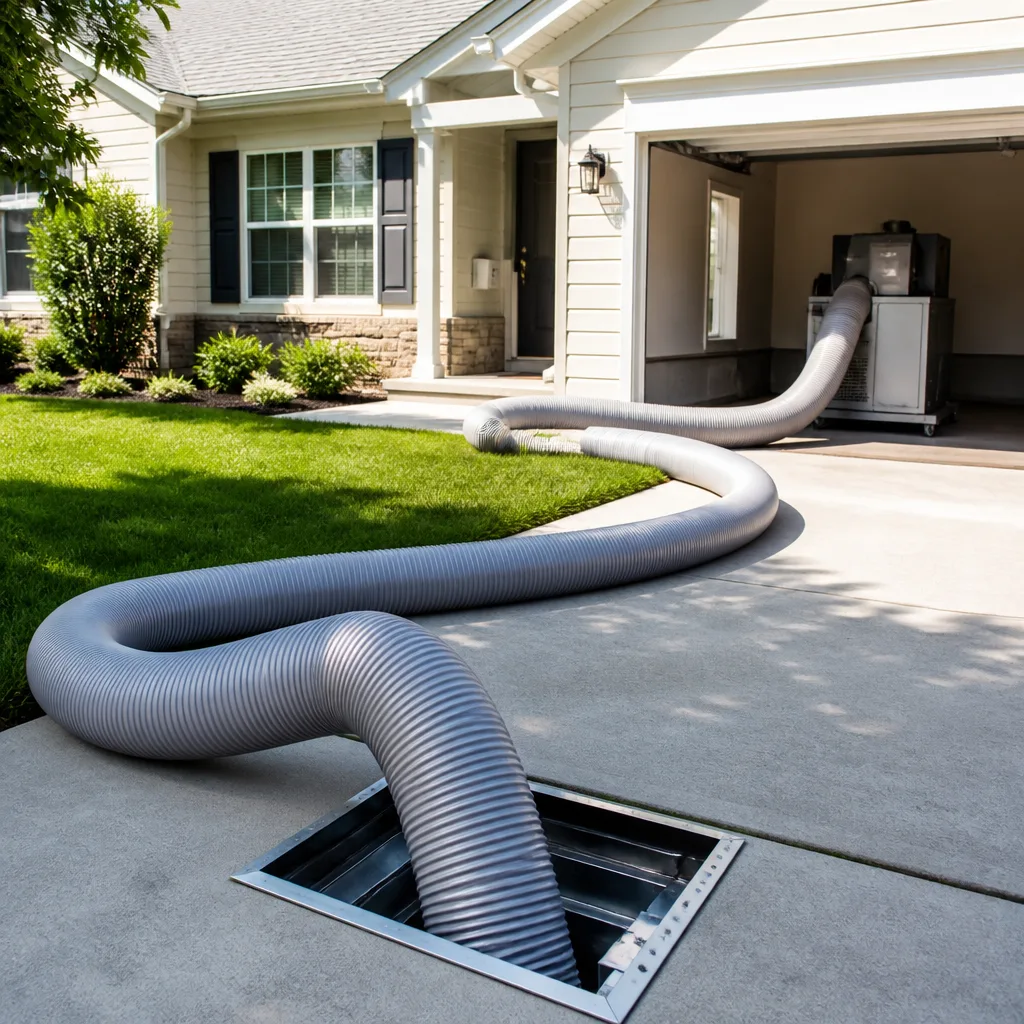 Whole-home duct cleaning
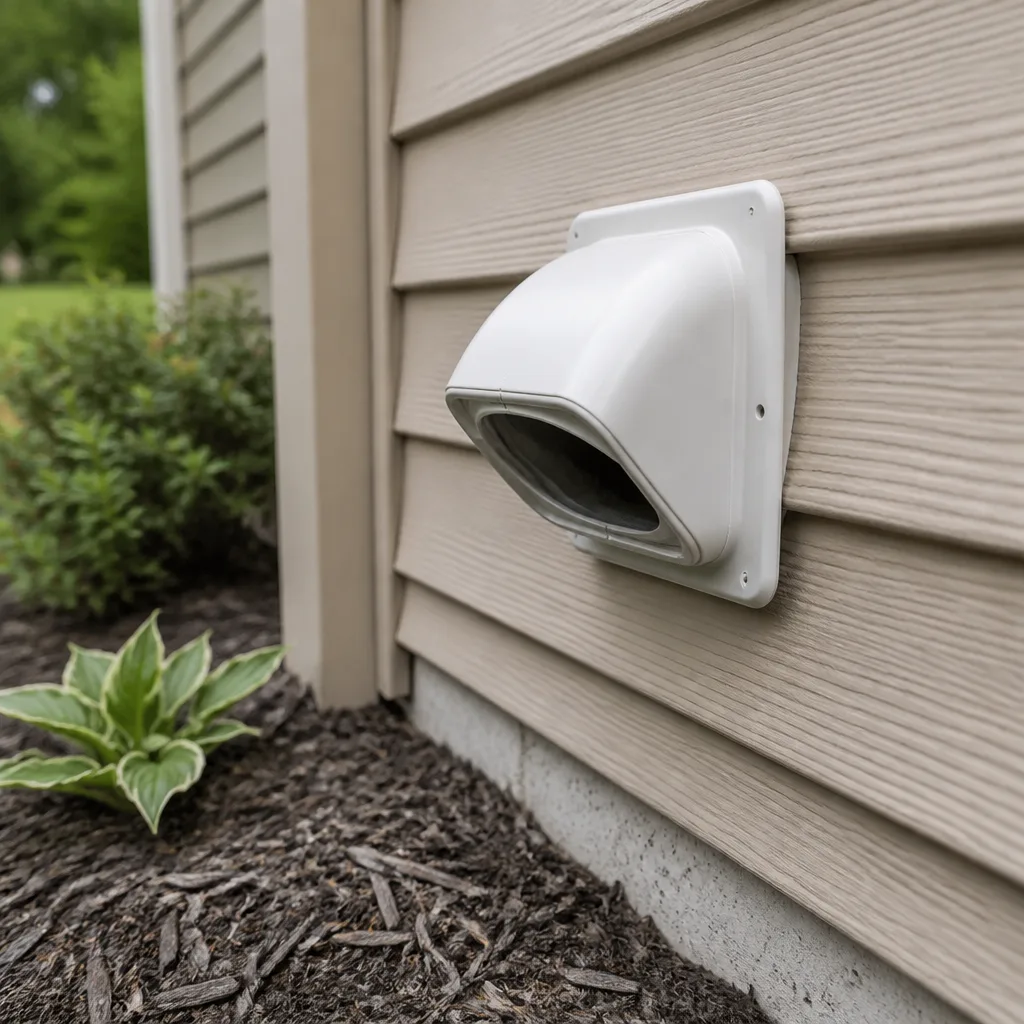 Dryer vent cleaning
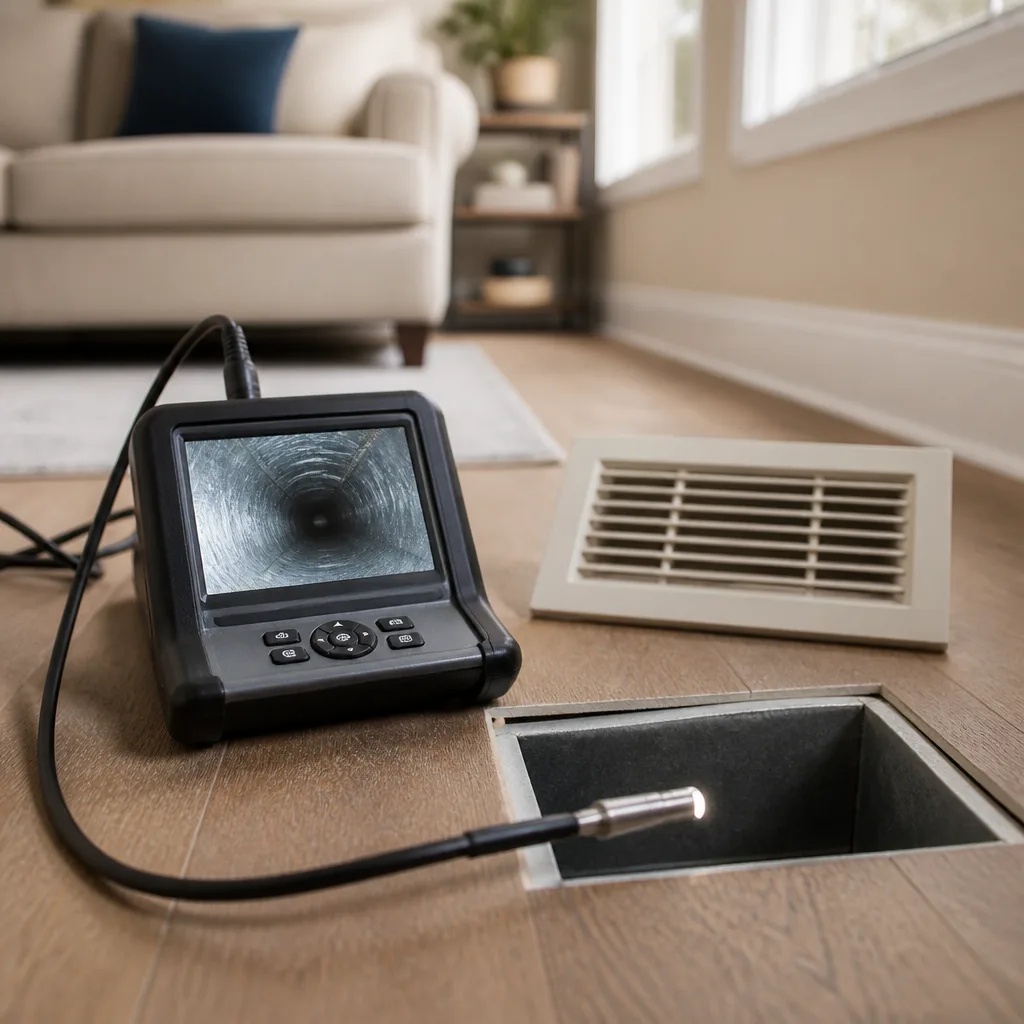 Camera inspection
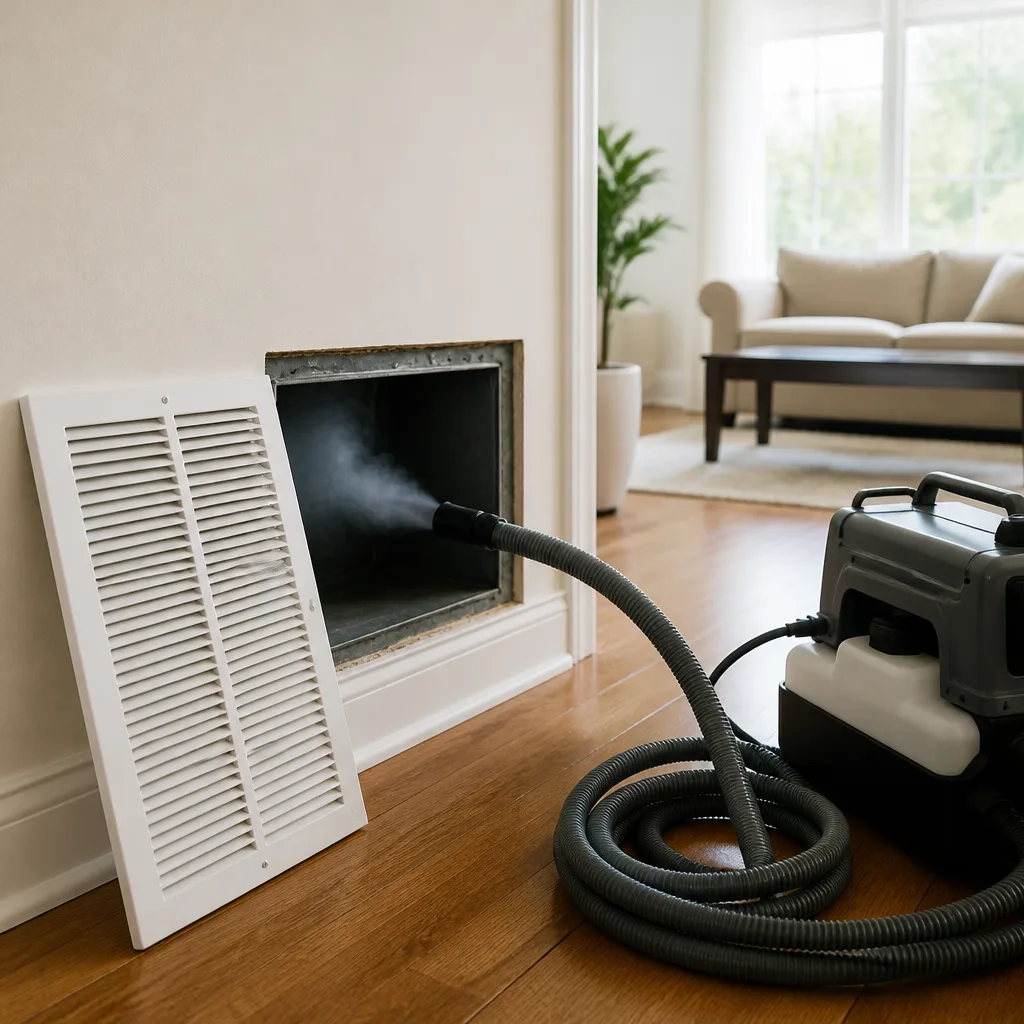 Sanitizing & deodorizing
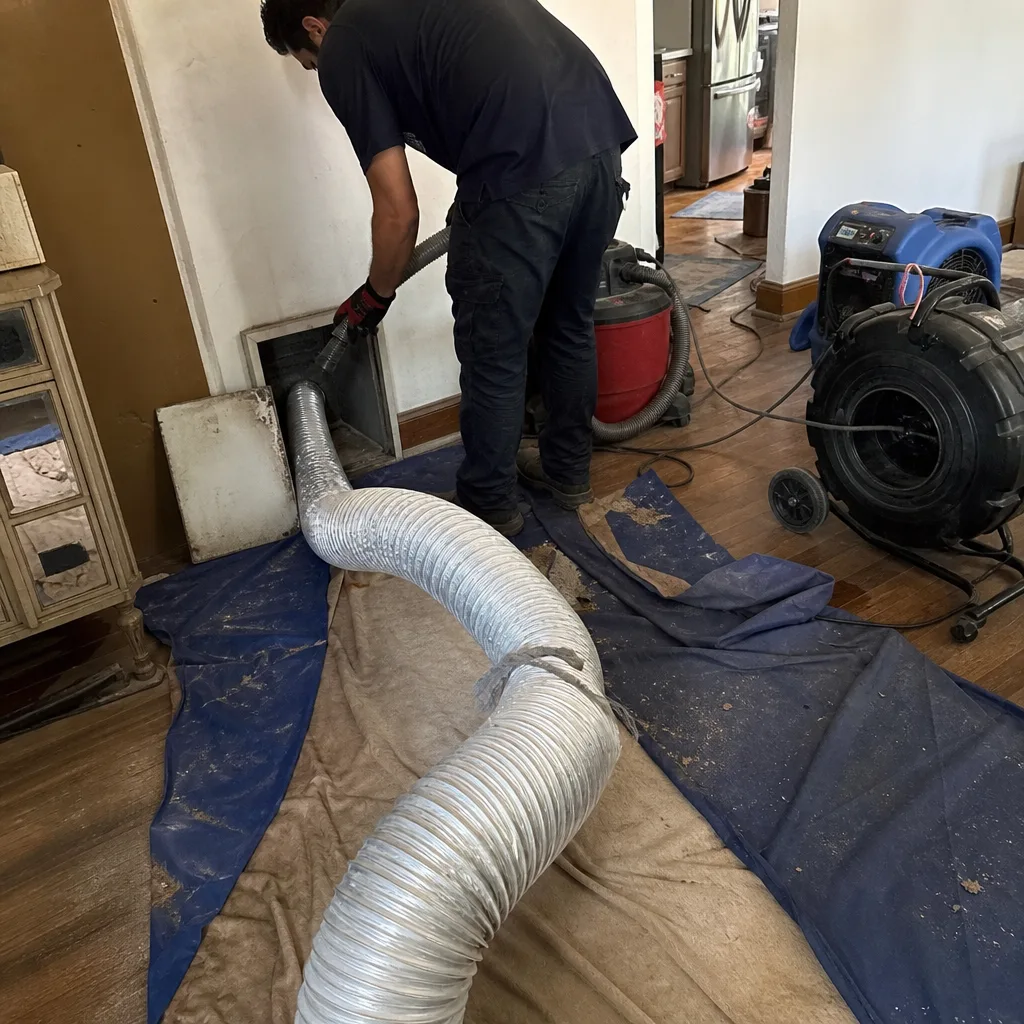
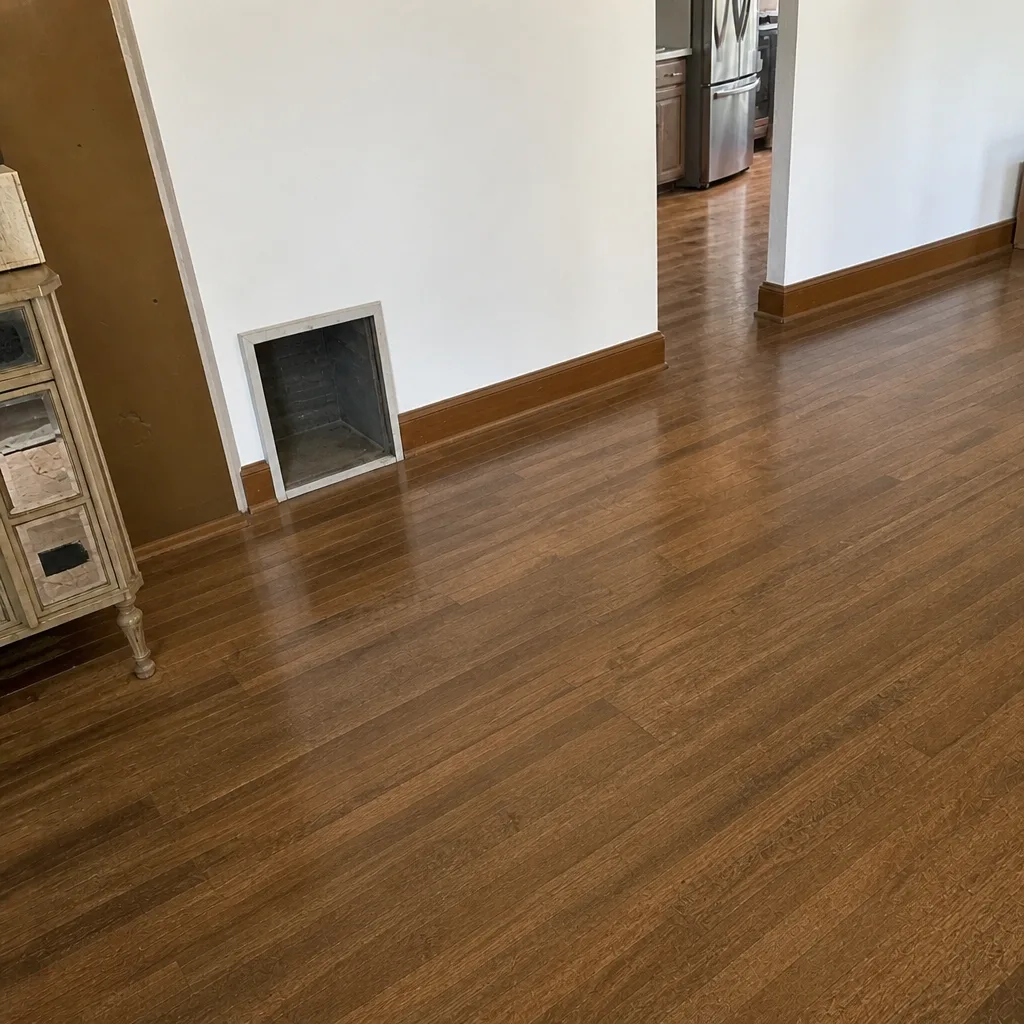
Whole-system duct and dryer vent check with before-and-after photos - you see exactly what came out of your vents
That "$99 whole-house special" is a bait ad - the real number appears once they are in your hallway, or the "clean" is a shop-vac at the register. We photograph the inside of your ducts before and after instead.
Choosing the Right Air Duct Cleaning Brand: A Buyer’s Guide for North Hollywood
Most air duct cleaning companies you’ll find in North Hollywood are not really companies at all. They’re a van, a logo wrap, and a rented machine. The name painted on the door tells you almost nothing about what happens inside your ducts. What actually separates a legitimate cleaning operation from a surface-level one is equipment, process, and whether the technician can explain both before the job starts. This guide is about reading past the branding and evaluating what matters: the tools on the truck, the method behind the quote, and the questions that expose the difference. If you live in North Hollywood, you have more options than most cities, and more noise to filter through.
Styles & brands we work with
- Whole-home duct cleaning
- Dryer vent cleaning
- Camera inspection
- Sanitizing & deodorizing
Quick Answer
The right air duct cleaning brand in North Hollywood is one that names its equipment, explains its process, and quotes only after looking at your system. Focus on three things: HEPA-filtered extraction, mechanical agitation tools rather than airflow alone, and a company that specializes in duct work instead of offering it as a side service. The brand name matters less than what’s on the truck.
Table of Contents
- Brand Recognition Is a Proxy for the Wrong Things
- What to Evaluate Instead of a Logo
- How to Read Google Reviews for Duct Cleaning Companies
- Why Specialization Changes the Outcome
- Questions That Reveal Operational Depth
- Red Flags Specific to the North Hollywood Market
- Common Mistakes to Avoid
- When to Call a Professional
- Frequently Asked Questions
- The Bottom Line
Brand Recognition Is a Proxy for the Wrong Things
When a homeowner in North Hollywood searches for air duct cleaning, they usually start with name recognition. That’s understandable, but it’s backwards. A recognizable name in this industry often just means a bigger ad budget, not a better cleaning. Air duct cleaning is a low-barrier trade in Los Angeles County. Anyone with a van, a portable vacuum, and a basic business license can call themselves a duct cleaning brand within a week.
What you actually need from a brand is signal, not recognition. Signal is information that tells you something real about the operation. Equipment manufacturers’ names are signal. A disclosed process is signal. A company that can tell you what kind of filtration their vacuum uses before you book is signal. A company that quotes you over the phone without asking about your duct material, access points, or system age is noise.
We’ve watched this market long enough to know one thing: the companies that lean hardest on their brand name are often the ones with the least to say about their equipment. Ask a company to name the vacuum system they use. If the answer is “a professional-grade machine” or “the best on the market,” you’ve learned something important. If the answer is “Rotobrush” or “Nikro,” you’ve learned something more useful.
North Hollywood’s housing stock is a mix of 1940s single-family homes, post-war apartment buildings, and newer condominium conversions. That variety means duct systems run the full range: galvanized steel, flexible aluminum, fiberglass board, and combinations of all three. A brand name doesn’t tell you whether a technician knows how to clean fiberglass without damaging it. Equipment does, and so does the person running it.
What to Evaluate Instead of a Logo
If you strip away the logo, the website, and the uniform, you’re left with three things that actually determine the quality of a duct cleaning job: certification, equipment disclosure, and pre-job assessment. Here’s what to look for in each.
1. Certification you can verify yourself
NADCA, the National Air Duct Cleaners Association, maintains a publicly searchable directory of certified companies. This matters because certification isn’t something you should take on faith. A company either appears in that directory or it doesn’t. Certification requires documented training in source removal methods, which means cleaning the entire HVAC system rather than just the visible portions of ductwork. When a company claims NADCA membership, check. It takes thirty seconds.
Certification also matters for a reason specific to air duct work: the interior of a duct system is hidden. You can’t watch the part of the job that matters most. Certification is a stand-in for a process standard you can’t observe directly. It means someone has verified that the company understands negative pressure, containment, and the difference between cleaning and recirculating.
2. Equipment disclosed before booking
This is the single most reliable filter we know. When you call a duct cleaning company in North Hollywood, ask one question: “What vacuum system and agitation tools do you use?” A specialist will answer immediately. They’ll say something like Rotobrush contact-cleaning systems with a HEPA-filtered negative air machine, or they’ll name the specific brand of agitation equipment. They know their tools the way a mechanic knows their socket set.
A generalist will hedge. They’ll say “industrial equipment” or “commercial-grade machines” or “everything we need to get the job done.” That’s not a description; that’s an evasion. The equipment a company chooses tells you what standard they’re cleaning to. HEPA-filtered extraction at 0.3 microns means the debris removed from your ducts stays contained. A shop vac with a long hose means it doesn’t.
3. Pre-job assessment vs. sight-unseen quotes
A legitimate duct cleaning company will want to see your system before quoting. That doesn’t necessarily mean a site visit; it can be a phone call with specific questions about your furnace location, duct material, number of returns, and access points. What it should not be is a flat “$299 for your whole house” quoted before anyone has asked a single question about the house.
North Hollywood homes vary enormously in system complexity. A 1,100-square-foot post-war bungalow with a single return and seven supply vents is a different job than a 3,000-square-foot hillside home with two systems, flex duct runs, and a crawlspace installation. A company that quotes both the same price hasn’t evaluated either.
How to Read Google Reviews for Duct Cleaning Companies
Reviews are the first stop for most North Hollywood homeowners, and they’re useful if you know how to read them. Most people scan the star rating and move on. That tells you almost nothing. Here’s what to actually look for.
Look for reviews that describe the process, not just the result. A review that says “they did a great job” gives you zero information. A review that says “they sealed off each register, ran a HEPA vacuum from the furnace, and showed me before-and-after photos from inside the main trunk line” tells you the company follows a real procedure. Those are the reviews that indicate a legitimate clean.
Search reviews for the word “photos” or “showed.” Companies that photograph the duct interior before and after cleaning are rare in this market. When a reviewer mentions being shown photos, it’s a strong signal. It means the company had the equipment to see inside the duct and the confidence to document what they found. Surface-level cleaners don’t show you photos because there’s nothing to show.
Watch for the phrase “quick” used as a compliment. A fast duct cleaning is not a good duct cleaning. Source removal takes time: sealing registers, connecting the negative air machine, agitating each run, cleaning the return side, and documenting the work. A reviewer who brags that the crew was in and out in 45 minutes is describing a company that skipped steps. You want reviews that mention the crew being thorough, methodical, or unhurried.
Be suspicious of review patterns that reset. Some North Hollywood-area duct cleaning operations have a pattern of accumulating negative reviews and then rebranding under a new name. When you look at a company’s review history and see a sharp break, a sudden flurry of reviews all posted in the same week, or a name that changed recently, dig deeper. A company with something to hide doesn’t keep its history visible.
Why Specialization Changes the Outcome
There’s a structural difference between a company that specializes in duct cleaning and one that offers it as a line item. A carpet cleaning company that also does ducts, a mold remediation firm that added duct work, a handyman service with a duct cleaning side business: these operations approach the job differently, and the difference shows in the result.
A specialist’s entire operation is built around one thing: accessing the interior of duct systems and removing what’s accumulated there. That sounds simple, but it affects everything downstream. The van carries equipment sized for duct work, not carpet extraction. The technicians spend their days navigating crawlspaces, cutting access ports, and working around furnaces. They know what a plenum looks like. They know how to seal a register. They know that a return drop in a 1950s North Hollywood home may be lined with fiberglass that needs specific agitation techniques rather than aggressive brushing.
A generalist approaches duct cleaning as one stop in a busy day. The equipment is whatever fits in the van alongside the carpet wands and the water extraction units. The technician may clean ducts twice a month instead of twice a day. The process is simplified because the operator doesn’t do it often enough to develop real depth.
This is why Onyx Duct Cleaning exists as a focused indoor-air-quality operation rather than a multi-trade company. We run Rotobrush contact-cleaning systems and Nikro HEPA vacuum equipment, machinery that lives on our trucks because duct work is what we do. The same equipment platforms show up on commercial restoration and abatement job sites, and they’re in our vans because that’s the standard we clean to. It’s a different operating model than a generalist with a portable unit in the back of a carpet van.
There’s also a practical consequence for you: a specialist is more likely to catch duct problems during the cleaning. Compromised joints, disconnected runs, crushed flex sections, gaps at the plenum. A generalist cleaning quickly around the interior might miss these. A specialist sees them because they’re looking at duct work all day, every day. And a specialist that offers air duct repair can then fix what they find rather than cleaning around it and leaving the problem for next year.
Questions That Reveal Operational Depth
When you’re evaluating duct cleaning companies in North Hollywood, the questions you ask are a better filter than anything on a website. Here are five that separate specialists from surface-level operators.
- “Do you use HEPA-filtered exhaust on your vacuum system?” This is the most important question in duct cleaning. A HEPA filter captures particles down to 0.3 microns. Without it, the vacuum exhausts the finer dust back into your home. Nikro HEPA vacuum systems are built specifically for this containment function. If the company can’t answer this question, they’re not doing containment-based cleaning.
- “Do you use agitation tools in addition to airflow?” Airflow alone doesn’t clean a duct. Debris adheres to the duct wall, especially in North Hollywood homes where fine valley dust and construction particulate mix with normal household dust. Contact cleaning – physically agitating the duct surface with rotating brushes or other tools – is what dislodges that adhered layer. Rotobrush systems are built around contact cleaning at the duct wall, not just moving air through.
- “Can you provide a post-job report?” A legitimate cleaning should be documented. Photos, measurements, a description of what was found and what was done. Companies that can’t or won’t provide documentation are asking you to take the work on faith. Faith is not a verification method.
- “What does your pre-job assessment look like?” The answer should involve questions about your system: how many returns, what kind of duct material, where the furnace sits, whether there’s a crawlspace or attic access. If the answer is “we just come out and do it,” the company hasn’t thought about your system at all.
- “Who manufactures the equipment you use?” This is the question that flushes out the generalists fastest. A specialist can name brands: Rotobrush, Nikro, Abatement Technologies. A generalist says “commercial-grade” or “professional equipment.” One answer tells you something. The other tells you nothing.
These questions work because they’re specific. A company that knows its equipment and process answers them without hesitation. A company that doesn’t know your system and runs a bare-minimum operation stalls, hedges, or changes the subject. The way a company responds to these questions is itself the answer.
Red Flags Specific to the North Hollywood Market
Every metro market has its own patterns, and the Los Angeles basin has a few that show up in the duct cleaning trade with particular frequency. North Hollywood sits in a dense, competitive service market, and the pressure to win jobs on price produces some predictable behaviors.
Bait-and-switch pricing. The LA market has normalized a low advertised price as a foot-in-the-door tactic. A company advertises a whole-house duct cleaning at a price that wouldn’t cover the cost of a technician’s time, then arrives and discovers that the job “requires” additional services. The furnace is older, the ducts are dustier, the access is harder, the system needs sanitizing. The final invoice is three or four times the advertised figure. This pattern is common enough that you should treat any duct cleaning quote well below the market range as a red flag rather than a deal.
Unmarked vehicles. In a dense urban market, some operators run unmarked vans or personal vehicles with magnetic signs. The reasoning varies, but the pattern is consistent: a company that doesn’t want to be identified on the street is a company that’s hard to hold accountable. Ask what the service vehicle looks like. A professional operation in this market runs marked vehicles.
Inability to name equipment manufacturers. We’ve covered this above, but it bears repeating because it’s the single most common failure point. The LA basin has a high concentration of entry-level operators who bought whatever portable unit was cheapest at a supply house. They can’t name the manufacturer because they don’t know or don’t want to tell you. When the equipment is an afterthought, the process is an afterthought.
Quotes that don’t distinguish between cleaning and repair. Some companies quote a cleaning price and then treat repair work as an upsell discovered mid-job. A company that offers air duct repair as a standalone, clearly scoped service is a different operation than one that “finds” problems once the vacuum is running. Ask up front how repair findings are handled, quoted, and approved. The answer tells you whether you’re dealing with a bid structure or a fee-discovery mechanism.
North Hollywood’s housing density also means shared walls. In multi-unit buildings, duct systems sometimes connect in ways that surprise homeowners. A company experienced in this market understands that a cleaning in one unit can have implications for adjacent units, and they scope the job accordingly.
Common Mistakes to Avoid
- Choosing by price alone. A low quote in the LA market usually isn’t a discount; it’s a different scope of work. The company quoting $149 for a whole-house cleaning is planning to upsell you, under-service you, or both. Compare quotes on scope and equipment, not just dollar amount.
- Hiring without checking NADCA certification. The directory is public and searchable. Not checking takes thirty seconds and leaves you relying on whatever the company’s website claims. Most claims on duct cleaning websites are not independently verified.
- Believing a “sanitizing” service solves contamination. Sanitizing fog or spray does not remove debris. It may mask odors temporarily, but source removal is the only method that actually removes the material causing the problem. Be wary of companies that lead with sanitizing as a substitute for mechanical cleaning.
- Skipping the dryer vent as part of the decision. Many North Hollywood homes have long dryer vent runs through attics or walls, and a clogged dryer vent is a fire hazard. A specialist that handles both dryer vent cleaning and duct cleaning addresses the full ventilation pathway rather than half of it.
- Quoting over the phone without system details. If a company gives a firm price before asking about your home’s specifics, that price is fiction. A real quote requires information: system size, duct material, access type, number of vents, and whether there are known issues.
- Ignoring the equipment question. Not asking what vacuum and agitation tools the company uses means you’re buying blind. The equipment is the service. No equipment disclosure, no deal.
- Assuming a recognizable name means quality. Some of the highest-volume names in the LA duct cleaning market are the ones with the most complaints and the most rebranding. Name recognition in this trade is often just marketing spend, not operational quality.
When to Call a Professional
There are moments when it’s clearly time to bring in a specialist. After a renovation, when drywall dust has been pulled through the returns for weeks. When a new HVAC system is installed, and you want to start with clean duct work rather than blowing old debris through new equipment. When someone in the home has persistent allergy symptoms that improve away from the house. When you can see dust accumulating around supply registers unusually fast. When the previous owner’s pets left what smells like their entire coat in the system. These are all conditions that warrant a real cleaning, not a surface pass. North Hollywood homeowners in these situations should call a specialist with verifiable equipment and a documented process. Onyx Duct Cleaning offers free estimates in North Hollywood – call (833) 589-9715.
Frequently Asked Questions
Check the NADCA member directory on the association’s website. It’s searchable by company name and location, and membership requires documented training in source removal methods. If a company claims certification but doesn’t appear in the directory, ask why. If they can’t answer, move on.
A legitimate quote includes the scope of work (supply runs, return side, plenum, registers), the equipment being used, the estimated duration, and a clear explanation of what’s included versus what’s extra. It should be based on information about your specific system, either from a site visit or a detailed phone assessment. A quote given without any system information is not a quote.
Because they’re scoping a different job. In the North Hollywood market, very low quotes usually mean one of three things: no HEPA filtration, no mechanical agitation, or a low advertised price designed to generate upsells once the technician is on site. A real source-removal cleaning with professional equipment costs what it costs. The variation between legitimate companies is narrow. The variation between legitimate and illegitimate is a chasm.
Ask for documentation. A professional company photographs the duct interior before and after cleaning and provides a post-job report. You should be able to see what was actually removed and what the duct surface looked like after cleaning. If the company can’t show you any documentation, the only evidence you have is their word.
The San Fernando Valley’s dry, dusty air means fine particulate settles in duct runs year-round, and the Santa Ana wind seasons push additional dust through open windows and into the return system. Homes near major roadways, including the 170 and 101 corridors, accumulate roadway particulate at higher rates. These conditions argue for systems that use HEPA-filtered extraction, since the goal is removing the very fine dust that valley homes are known for.
A specialist runs dedicated duct-cleaning equipment, works on duct systems daily, and is more likely to identify duct problems during the cleaning. A generalist runs whatever portable equipment fits in the van alongside other trade gear and approaches duct work as one line item in a broader service menu. The difference shows up in equipment quality, process depth, and the likelihood that the technician can answer detailed questions about your system.
The Bottom Line
Choosing a duct cleaning company in North Hollywood comes down to evaluating what’s invisible: equipment, process, and specialization. The brand name is the least useful piece of information you’ll gather. What matters is whether the company runs HEPA-filtered extraction, whether it uses contact-cleaning agitation tools, whether it quotes based on your actual system, and whether it can document the work. Ask direct questions about equipment manufacturers. Check certifications yourself. Read reviews for process descriptions, not star ratings. And remember that a very low price in this market is a warning sign, not a bargain. Contractor-grade equipment, residential pricing – that’s the combination to look for.
Written by the team at Onyx Duct Cleaning, serving North Hollywood since 2013.
See the difference
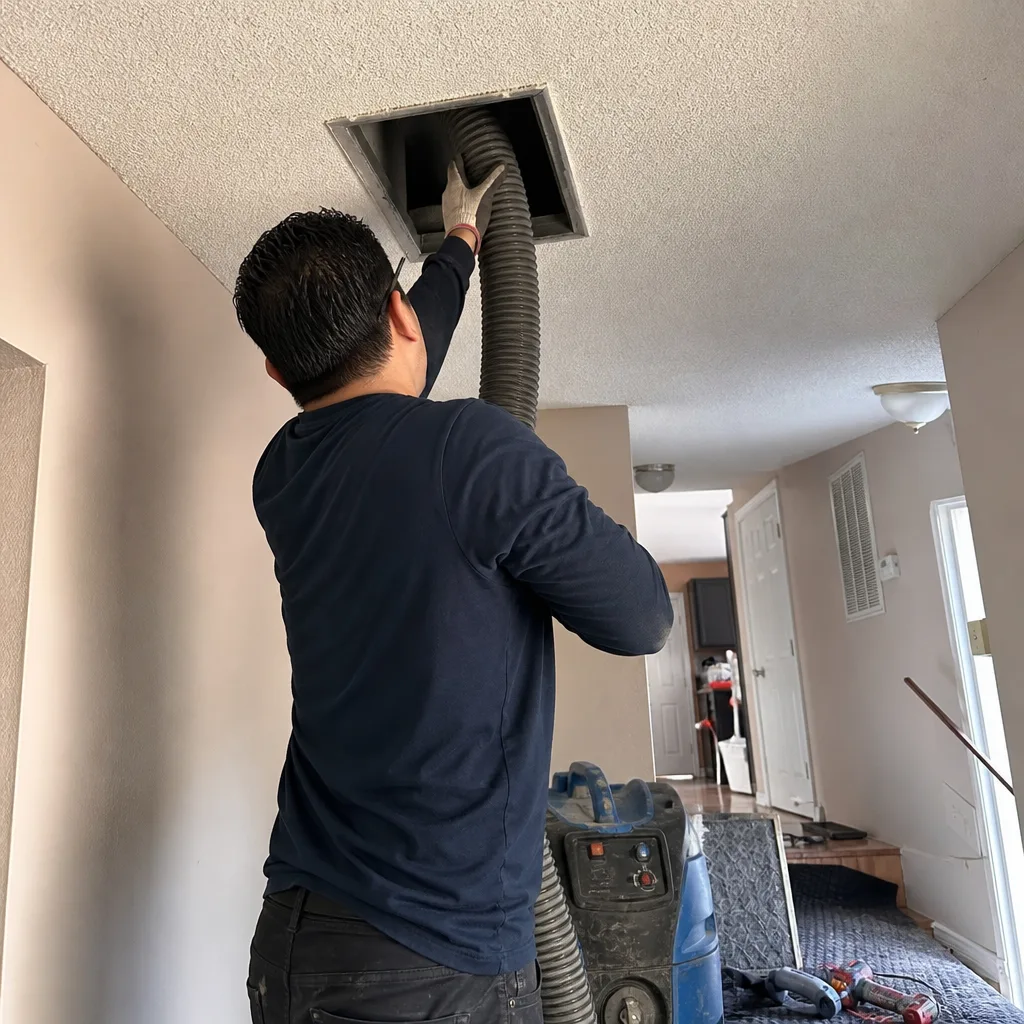 Before
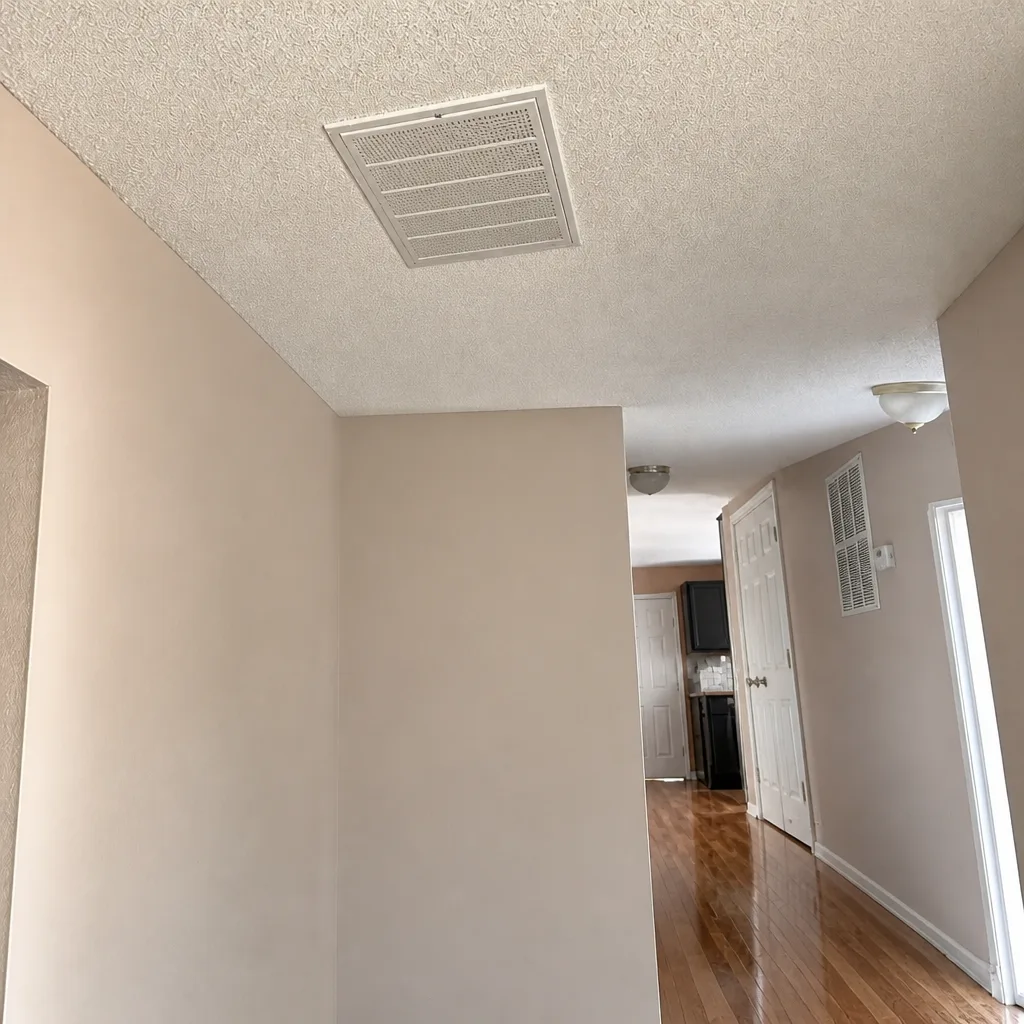 After
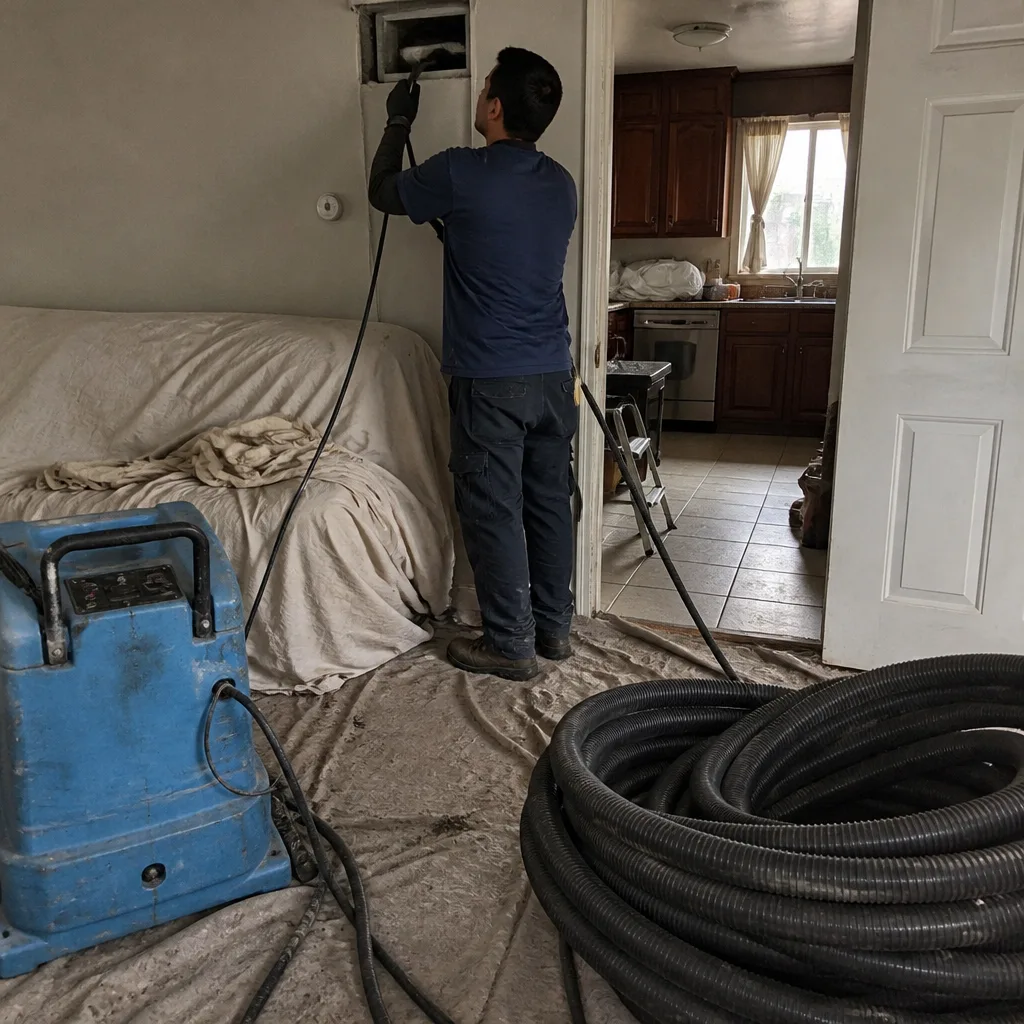 Before
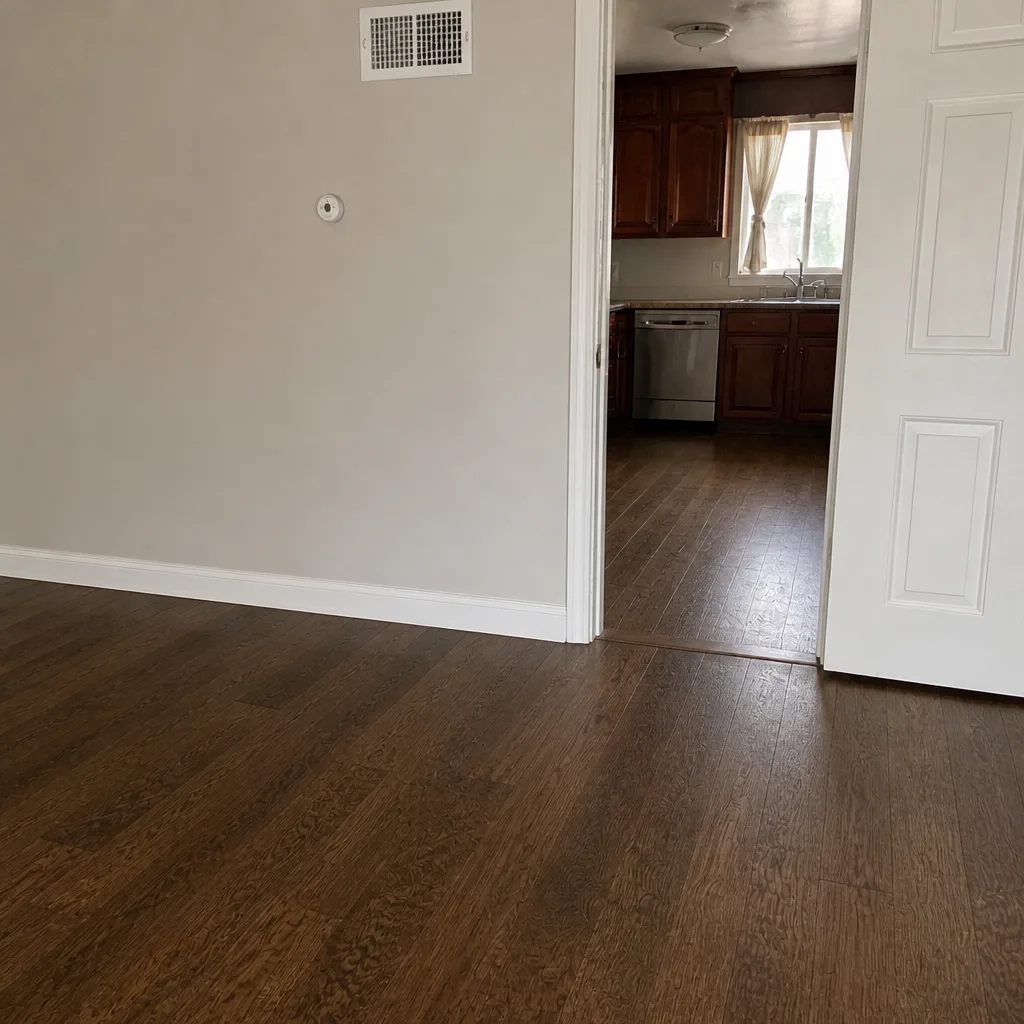 After
 Before
 After