
Last updated November 4, 2026
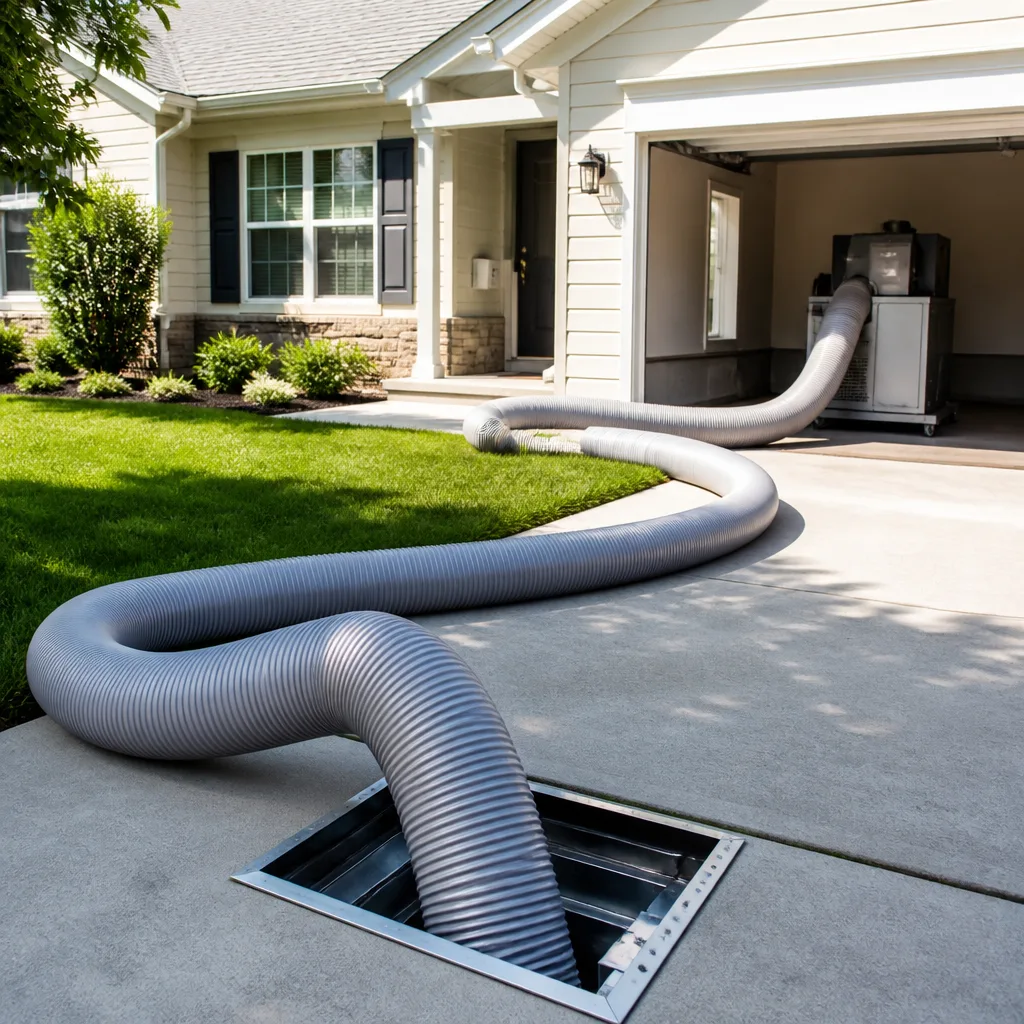 Whole-home duct cleaning
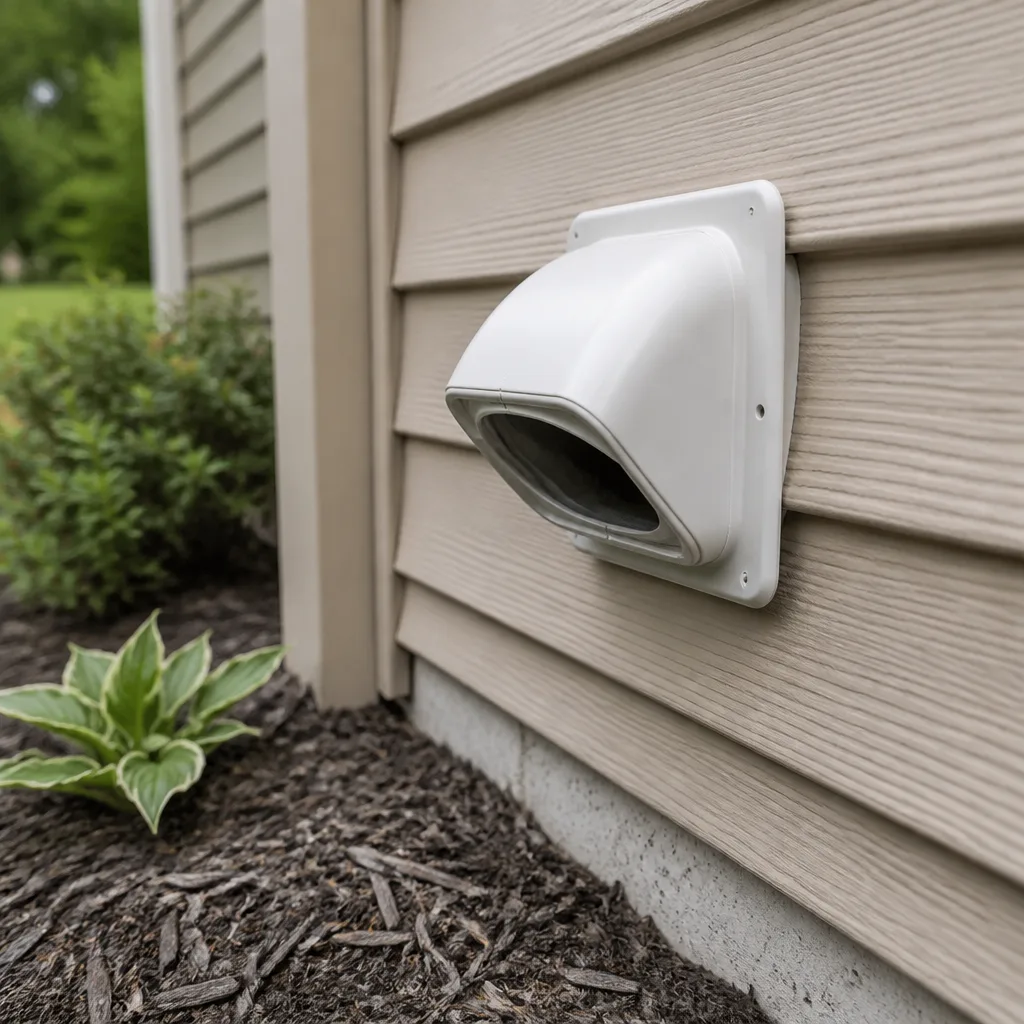 Dryer vent cleaning
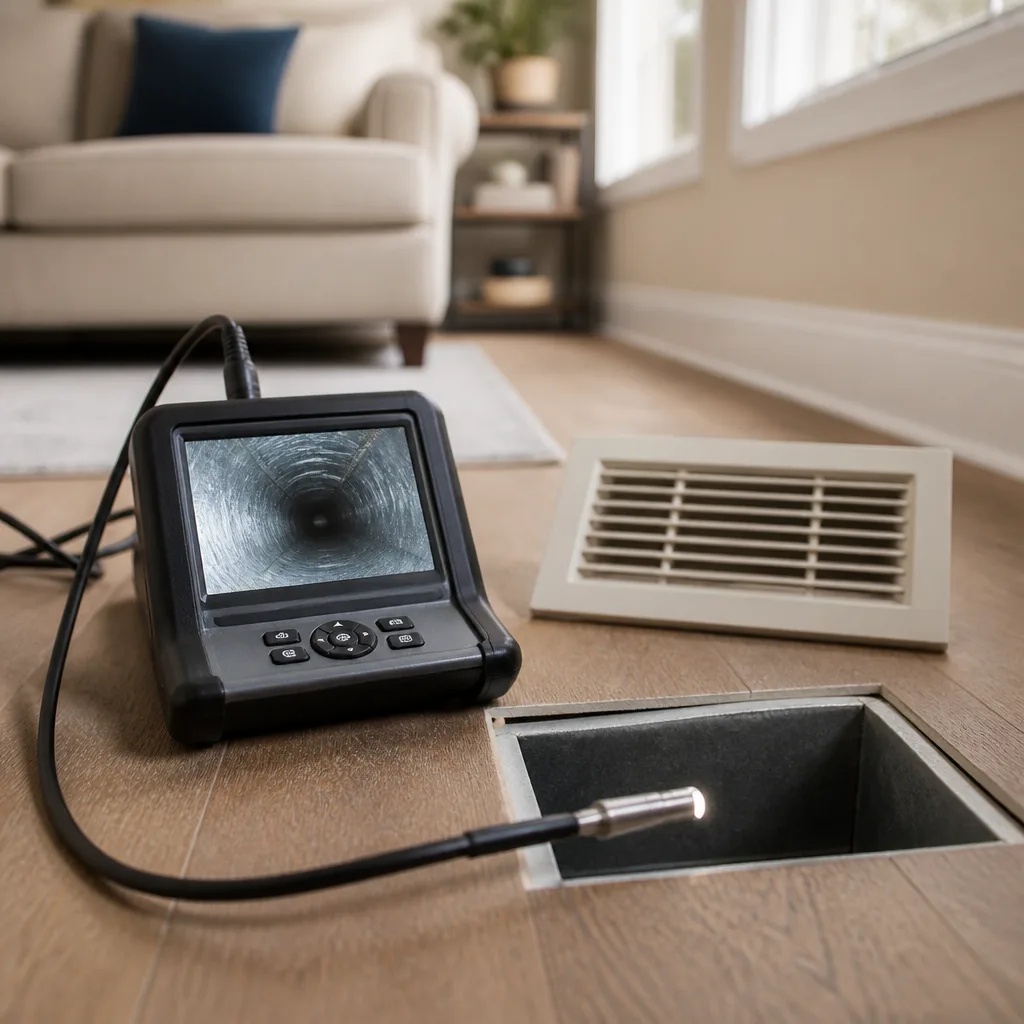 Camera inspection
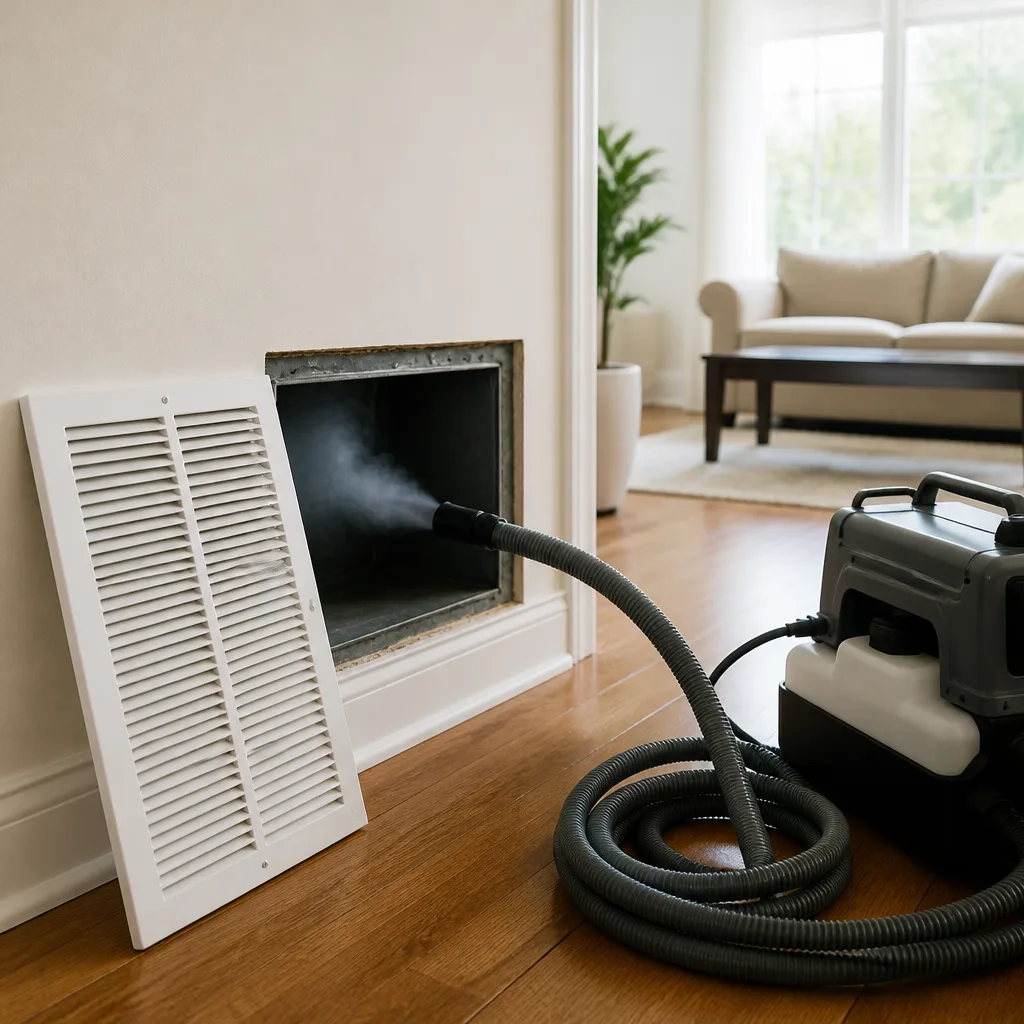 Sanitizing & deodorizing
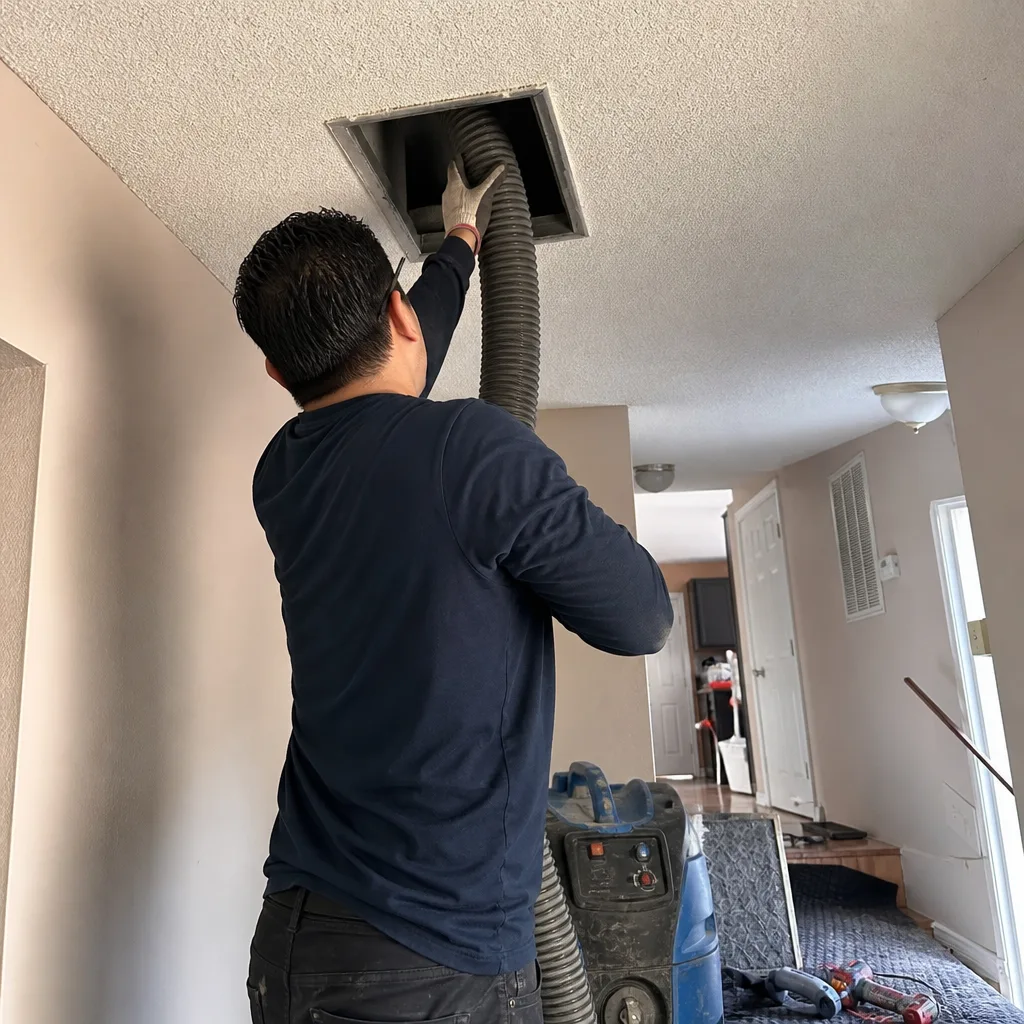
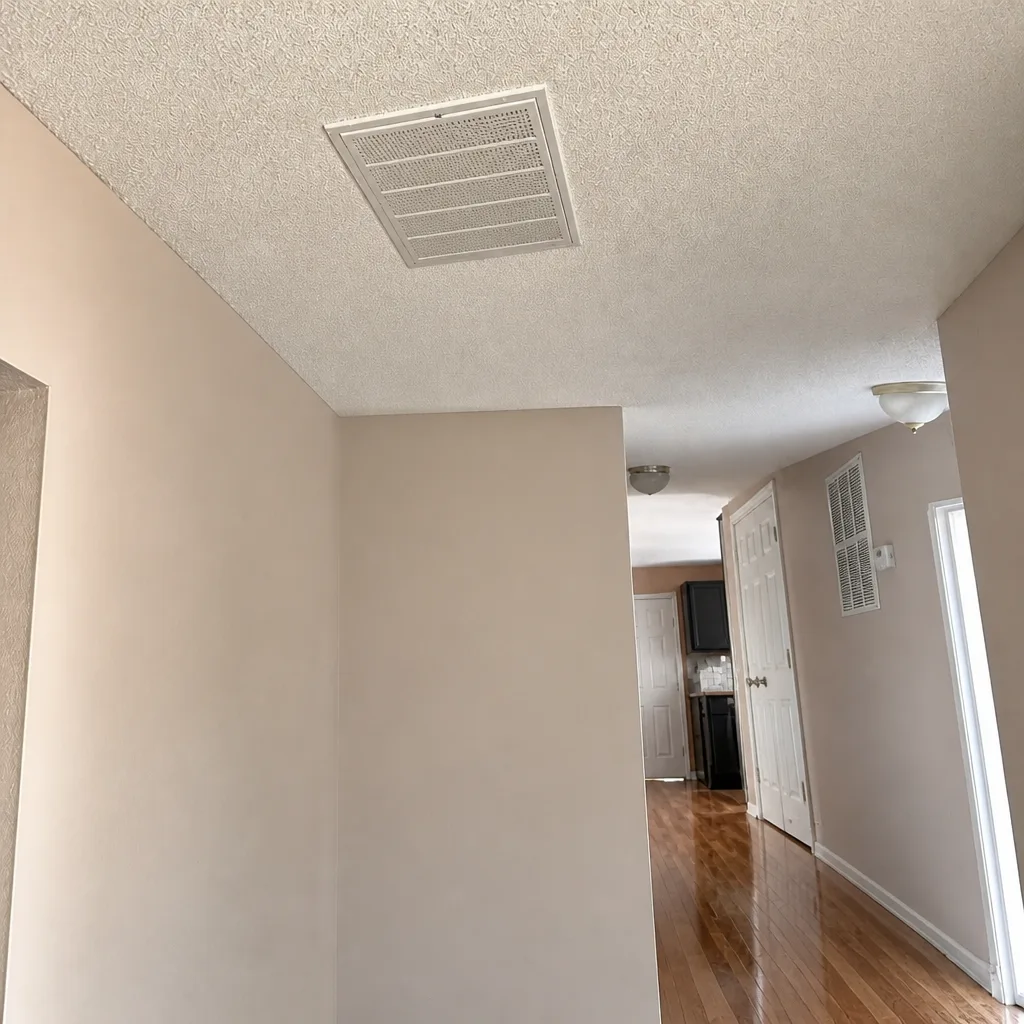
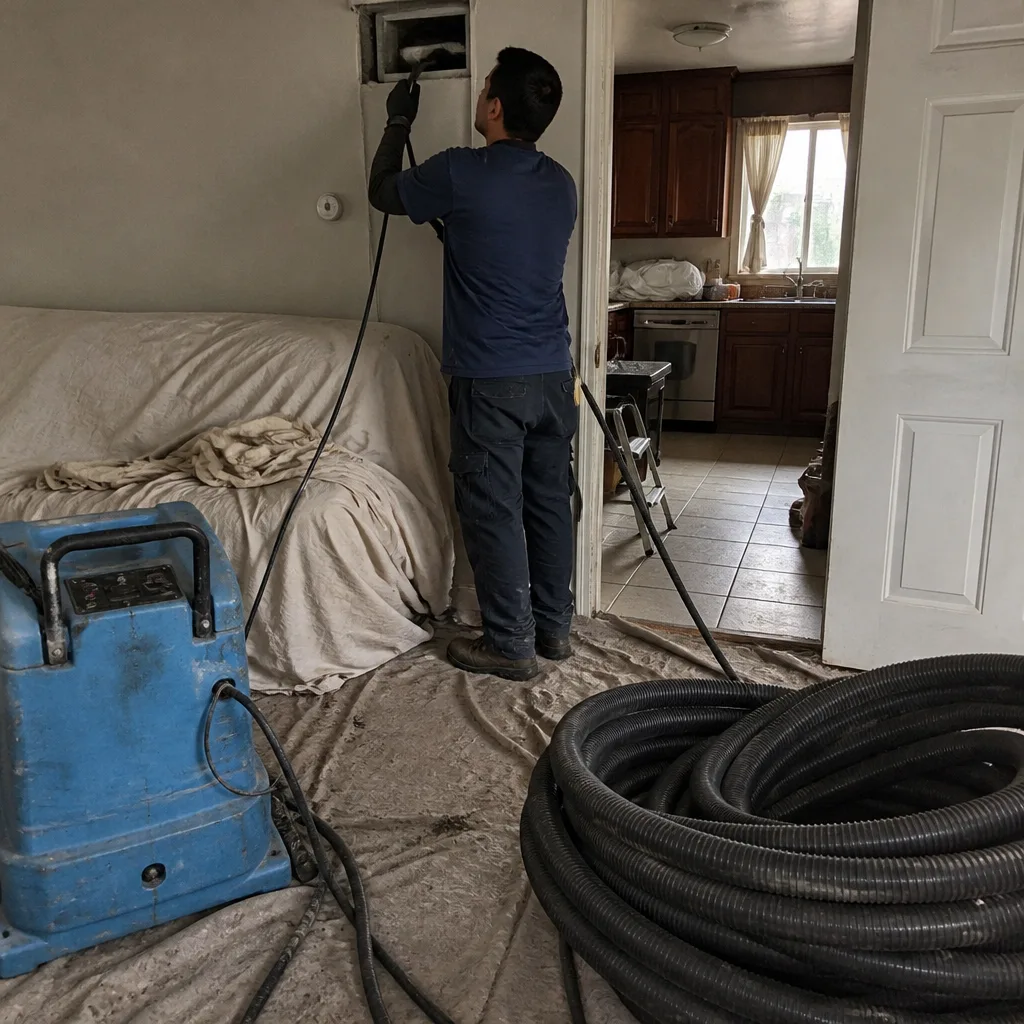
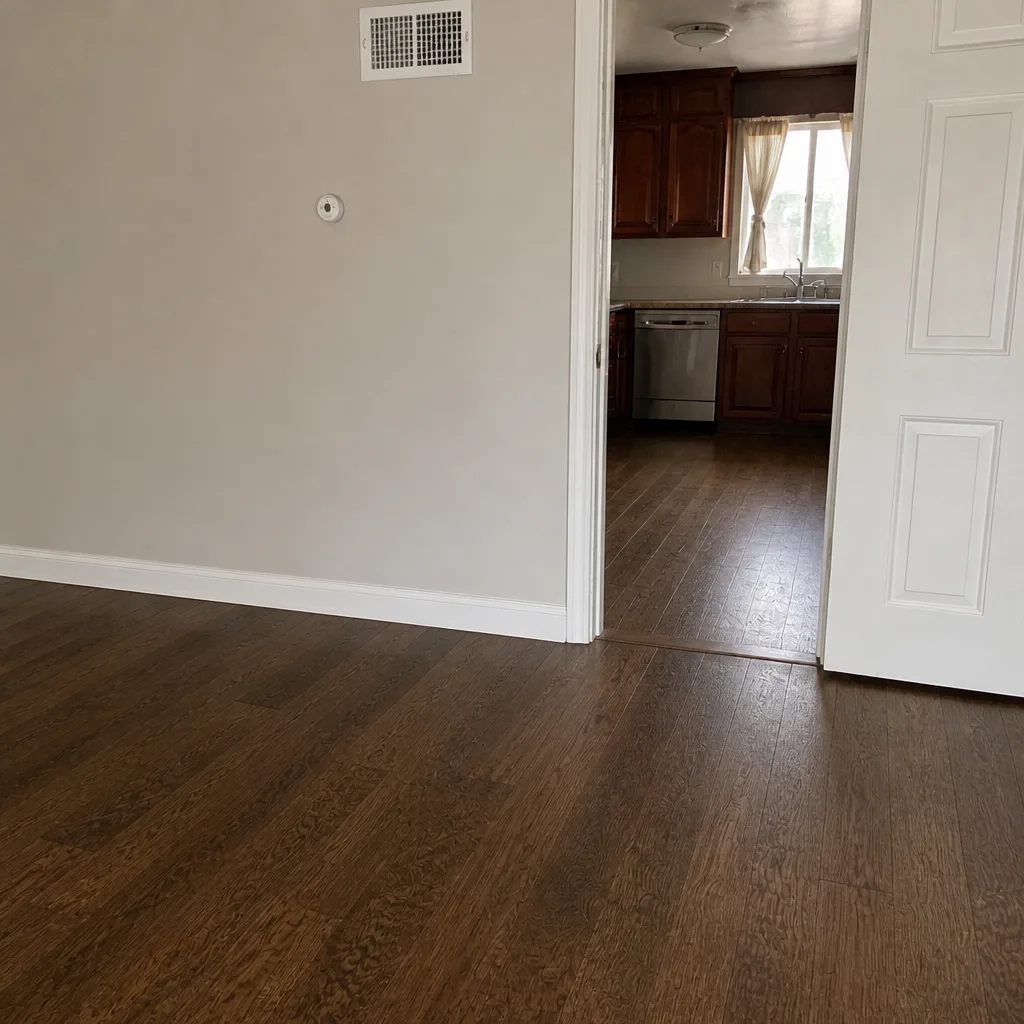
Whole-system duct and dryer vent check with before-and-after photos - you see exactly what came out of your vents
That "$99 whole-house special" is a bait ad - the real number appears once they are in your hallway, or the "clean" is a shop-vac at the register. We photograph the inside of your ducts before and after instead.
Air Duct Cleaning Warning Signs: A North Hollywood Homeowner’s Reference Guide
Most guides to duct cleaning warning signs start too late. They wait for visible dust plumes, musty odors that knock you back, or a rash of unexplained allergy flare-ups. By that point, the problem has been brewing for months, often years. The signs that actually save you money and protect your indoor air are quieter. They’re the ones you explain away: a room that never quite holds temperature, a filter that loads faster than it did last spring, a faint metallic smell the first time the heat kicks on. This guide is written from the field in North Hollywood, where ranch-style floor plans, older flex-duct runs, and our particular valley air combine in ways that make early detection both harder and more important.
Quick Answer
The most common early air duct cleaning warning signs in North Hollywood are uneven room temperatures across a single floor, air filters loading visibly faster than the previous season, and a faint metallic or stale smell from registers during the first heat cycle. Visible dust blowing from a register is a late-stage indicator. If you’re noticing any of these, a professional duct inspection with a borescope camera can confirm whether the duct interior is the source or whether you’re dealing with an HVAC component problem instead.
Styles & brands we work with
- Whole-home duct cleaning
- Dryer vent cleaning
- Camera inspection
- Sanitizing & deodorizing
Table of Contents
- The Subtle Signs Most Homeowners Dismiss
- Why North Hollywood’s Climate and Floor Plans Change the Warning Pattern
- Duct-Origin Odors vs. HVAC Component Odors: How to Tell Them Apart
- What Filter Loading Speed Actually Tells You
- Post-Renovation Contamination: When Drywall Dust Changes the Equation
- Allergy and Respiratory Patterns Worth Cross-Referencing
- What a Borescope Inspection Confirms That Register-Level Checks Cannot
- When to Call a Professional
The Subtle Signs Most Homeowners Dismiss
The early warning signs of duct contamination in North Hollywood homes rarely announce themselves. They accumulate the way dust accumulates: slowly, invisibly, until one day you notice and wonder how long it’s been there. The three indicators below are the ones we hear about most often after an inspection confirms significant buildup. Homeowners almost always say the same thing: “I noticed that months ago, but I didn’t think it meant anything.”
The first is uneven room temperatures across a single floor. In a ranch-style North Hollywood home, the duct runs are long and often branch from a central trunk line. When rooms at the end of the run start running warmer in summer or cooler in winter than rooms closer to the air handler, the default assumption is aging HVAC equipment. Sometimes that’s the culprit. But often, the duct interior has accumulated enough material to restrict airflow. A room that was comfortable two summers ago and now sits five degrees off isn’t an HVAC problem until the ducts are ruled out.
The second is filter loading speed. If a filter that used to last three months now looks loaded at four weeks, something has changed in the air moving through your home. Filters capture what circulates. More capture means more particulate in the airstream. Either more is entering the home, or accumulated material inside the ducts is breaking loose and recirculating. Both scenarios deserve a look.
The third is a faint metallic or stale smell during the first heat cycle of the season. This one gets dismissed almost universally. “It’s just the heater kicking on for the first time.” Sometimes that’s true. But the first heat cycle is also when accumulated dust on duct walls gets baked and off-gassed, and when the thermal expansion of ductwork releases whatever has been sitting at the seams and joints. A smell that lingers after the first cycle, or recurs with each heat call, is not just the heater.
Why North Hollywood’s Climate and Floor Plans Change the Warning Pattern
North Hollywood’s climate matters here. We don’t have hard winters or snow, which means two things for duct systems. First, the heating season is short and intermittent. Dust that accumulates during the long cooling season gets a brief thermal cycle when heat runs, then sits again. That intermittent cycling means odors and particulate releases don’t announce themselves consistently. Second, our long dry stretches mean dust that enters a duct system tends to stay dry and mobile rather than settling into a damp mat the way it might in a humid climate. What’s in the ducts moves when air moves.
Floor plan matters too. North Hollywood is heavy with ranch-style homes built between the 1940s and 1970s, along with a significant stock of mid-century apartment and condo buildings. Ranch layouts mean long horizontal duct runs, often with more elbows and transitions than a two-story home. Every transition is a place where dust can collect and velocity drops. A two-story home with vertical risers moves air differently than a sprawling single-story where the airflow has to make five turns before it reaches the back bedroom.
Older flex-duct runs, common in our market, add another variable. Flex duct with a damaged inner liner or a sag between supports can create low-velocity zones where particulate drops out of the airstream and accumulates. The homeowner sees it as a room that’s stuffy or never quite reaches temperature. The actual cause is often a duct section that has become a collection point. That’s where a full air duct cleaning inspection earns its keep. It identifies not just that the system is dirty, but where and why.
Duct-Origin Odors vs. HVAC Component Odors: How to Tell Them Apart
Odors are the warning sign homeowners most often misattribute. A smell from the register does not automatically mean the ducts are dirty. It can originate in three places: the duct interior, the HVAC components themselves, or the air entering the system. The distinction matters because the solutions are different. A dirty blower wheel needs cleaning, a failing heat exchanger needs HVAC attention, and contaminated ducts need duct cleaning and possibly repair. Calling for duct cleaning when the blower motor is the source won’t solve the problem.
Here’s how to distinguish them in a North Hollywood home:
- Dusty or stale smell that appears at every register. When the odor is consistent across all supply points, it points to something upstream of the duct branches: the return side, the blower cabinet, or widespread duct interior contamination. If the smell is worse in some rooms than others, the duct runs serving those rooms are the likely source.
- Metallic or hot-oil smell that appears only during the first minute or two of heating. This is the heat exchanger and adjacent components burning off accumulated dust. It’s common and often harmless, but if it persists or recurs, the blower or heat exchanger surfaces should be inspected by an HVAC technician. The duct cleaning contractor’s role is to identify that this odor is component-origin, not duct-origin.
- Musty or damp smell even in dry weather. In our valley climate, dry musty odors from ductwork are suspicious. They often indicate condensation inside a duct section or microbial growth on an organic dust layer. This warrants a camera inspection rather than a cleaning alone.
- Smell that matches recent work in or near the home. If the odor smells like paint, drywall compound, or the specific materials from a recent renovation, the ducts have likely pulled in airborne particles during the project. This is a post-renovation contamination issue and should be addressed as such.
In our experience, the homeowners who catch real problems early are the ones who pay attention to when and where an odor appears, not just that it exists. Odor timing and register location tell you more than the odor itself.
What Filter Loading Speed Actually Tells You
Your air filter is the cheapest diagnostic tool in your home. It samples every cubic foot of air that circulates through the system. When it loads faster than it did the previous season, something has changed in what’s moving through your ducts. The question is what.
Here’s a structured way to think about it:
- Establish a baseline. Note how long a new filter lasts before visible loading. In a typical North Hollywood home with a standard 1-inch filter, three months is a common starting point. If your home has a 4-inch media filter, longer. The number itself matters less than the change from your own previous season.
- Compare season to season. Summer cooling and winter heating move different amounts of air. But if the same season one year apart shows a dramatic difference in loading speed, that’s a real signal. The air in your home is carrying more particulate than it used to.
- Consider recent changes to the home. A renovation, new pets, a new occupant, a change in cleaning frequency, or even prolonged open-window periods during Santa Ana conditions all change the particulate load. Rule these out before pointing at the ducts.
- Look at the color and composition of what’s on the filter. Fine gray powder is consistent with drywall dust or fine construction particulate. Darker, greasier material near the kitchen side often indicates cooking aerosols. Fibrous material can point to carpet or textile shedding. Each tells a different story about where the air is picking up material.
If filter loading has accelerated and none of the environmental factors explain it, the duct interior is the remaining variable. Accumulated material inside ducts doesn’t just sit there forever. Turbulence at transitions and high-velocity periods loosens it, and the system recirculates it. The filter catches some, but not all. A filter that’s loading faster is often telling you the ducts are shedding.
Post-Renovation Contamination: When Drywall Dust Changes the Equation
North Hollywood’s housing stock means renovations are constant. Flips, remodels, additions, ADU conversions: this market remodels more than almost any other in the LA area. And drywall dust is the single most common contaminant we find in ducts after construction work. It behaves differently from the gradual household dust that builds up over years.
Drywall dust is extremely fine and abrasive. It doesn’t just settle like household dust; it coats. When it’s pulled into a duct system during sanding or demolition work with the HVAC running, it coats the interior walls of every duct section it reaches. It also infiltrates the blower wheel, the evaporator coil, and the filter housing. If the system wasn’t sealed during construction, or if the filter wasn’t changed immediately after, that dust is now part of the system.
The warning signs after a renovation are specific:
- Fine white or gray dust settles on surfaces within days of cleaning. This is late-stage confirmation that construction particulate is still circulating. By this point, the ducts have been distributing it for weeks or months.
- Fresh air filter loads within two to three weeks of installation. Drywall dust blinds a filter fast. If the filter wasn’t changed at the end of the project, it’s likely already bypassing.
- New or worsening low airflow in specific rooms. The dust settles where velocity drops. Rooms at the end of long runs or with undersized returns show the effect first.
- A chalky or starchy smell from registers when the system runs. This is the dust off-gassing and moving through warm duct sections. It’s distinct from a stale, greasy household-dust odor.
Post-renovation duct contamination is not a cleaning-only issue. It often reveals duct damage that occurred during the project: a disconnected branch, a crushed flex section, a boot knocked loose. That’s why our approach includes Onyx Duct Cleaning repair capability alongside cleaning. We find the section that’s damaged, and we fix it. A cleaning that ignores the damaged section doesn’t solve the air loss or the contamination entry point.
Allergy and Respiratory Patterns Worth Cross-Referencing
We want to be careful here. Duct cleaning is not a medical intervention, and we don’t make health claims about our services. What we can tell you from field experience is that household symptom patterns sometimes correlate with what a duct inspection finds. That correlation is worth paying attention to, not as a diagnosis but as a reason to inspect.
Here’s the pattern we hear most often from North Hollywood homeowners:
- Symptoms that are worse at home than away. If allergy-like symptoms improve at work, at school, or on vacation, and worsen within a few hours of returning home, the home environment is a variable worth investigating. Ducts are one of several possible sources.
- Symptoms that spike within 30 to 60 minutes of the HVAC starting. This timing points to something being stirred up and distributed when air moves. That can be duct interior material, filter bypass, or a dirty blower cabinet.
- One household member affected more than others. Different people respond differently to the same particulate load. One person’s reaction doesn’t mean the air is fine for everyone else in the home.
- Symptoms that ease or disappear when the system is off and windows are open. If the pattern tracks with HVAC operation rather than outdoor conditions or seasonal pollen, the system itself deserves a look.
If any of these patterns describe your household, a duct inspection with a borescope camera is a reasonable next step. It doesn’t commit you to anything. It gives you information: what’s actually inside the ducts, whether it’s widespread, and whether there’s a repair issue contributing to the problem.
What a Borescope Inspection Confirms That Register-Level Checks Cannot
Homeowners can see the registers, and they can sometimes see the first few inches inside a supply boot with a flashlight and a mirror. But a register-level check can’t see the other 95 percent of the system. You can’t see the trunk line, the branch takeoffs, the far end of the return drop, or the back side of the supply plenum. You can’t see whether the duct interior has a thin film of fine dust or a quarter-inch accumulation, whether a section of flex duct has collapsed or disconnected, or whether there’s material inside that should be professionally handled.
Here’s what a professional borescope inspection should visually confirm:
- The type and thickness of accumulated material. Fine household dust looks different on camera than drywall powder, pet hair mats, or construction debris. Thin dust may be within normal range. Heavy accumulation or specific material types change the recommendation.
- Duct integrity. The camera can identify disconnected sections, crushed flex runs, gaps at the plenum connections, and damage to inner liners. These are repair issues, not cleaning issues, and they need to be flagged.
- Moisture or microbial evidence. Discoloration, staining, or material that looks different from surrounding areas warrants attention. This is particularly relevant in older North Hollywood homes where duct runs in unconditioned attic spaces see condensation during temperature swings.
- Filter bypass evidence. Dust streaking around a filter housing or visible dust on the blower housing suggests the filter isn’t containing airborne particulate.
The equipment matters for this. We run Rotobrush contact-cleaning systems and Nikro HEPA vacuum platforms, the same platforms restoration and abatement professionals use. The inspection tells us what we’re looking at. The equipment determines what we can actually do about it. When a homeowner sees the before-and-after footage from a borescope inspection, they know what the work accomplished. We show you the system, not just the invoice.
When to Call a Professional
You’ve noticed a filter loading faster than it used to. Or a room that won’t hold temperature. Or a smell you can’t place. You’ve ruled out the easy explanations. That’s the moment to call. You don’t need certainty that your ducts are dirty. You need certainty about what’s actually going on, and that’s what an inspection provides. The scenarios below are the ones where waiting usually makes the problem worse:
- You’ve completed a renovation and the HVAC ran during any phase of drywall work. A filter change doesn’t address what’s already in the ducts.
- A musty or dusty odor persists after the first heating cycle of the season. Different from the brief burn-off smell, this suggests material in the duct interior.
- Filter loading has accelerated with no other household changes. The ducts are the remaining variable.
- Allergy-like symptoms track with HVAC operation. Worth cross-referencing with a camera inspection.
- You’ve bought an older North Hollywood home and have no record of prior duct work. The age of the duct runs and the unknowns inside them make inspection a reasonable baseline step.
Dryer vent cleaning is a related but separate issue. If your dryer takes longer than 40 minutes for a standard load, that’s a different warning sign worth its own attention. Both are part of the same ventilation pathway, and both are worth addressing before they become emergencies.
See the difference
 Before
 After
 Before
 After
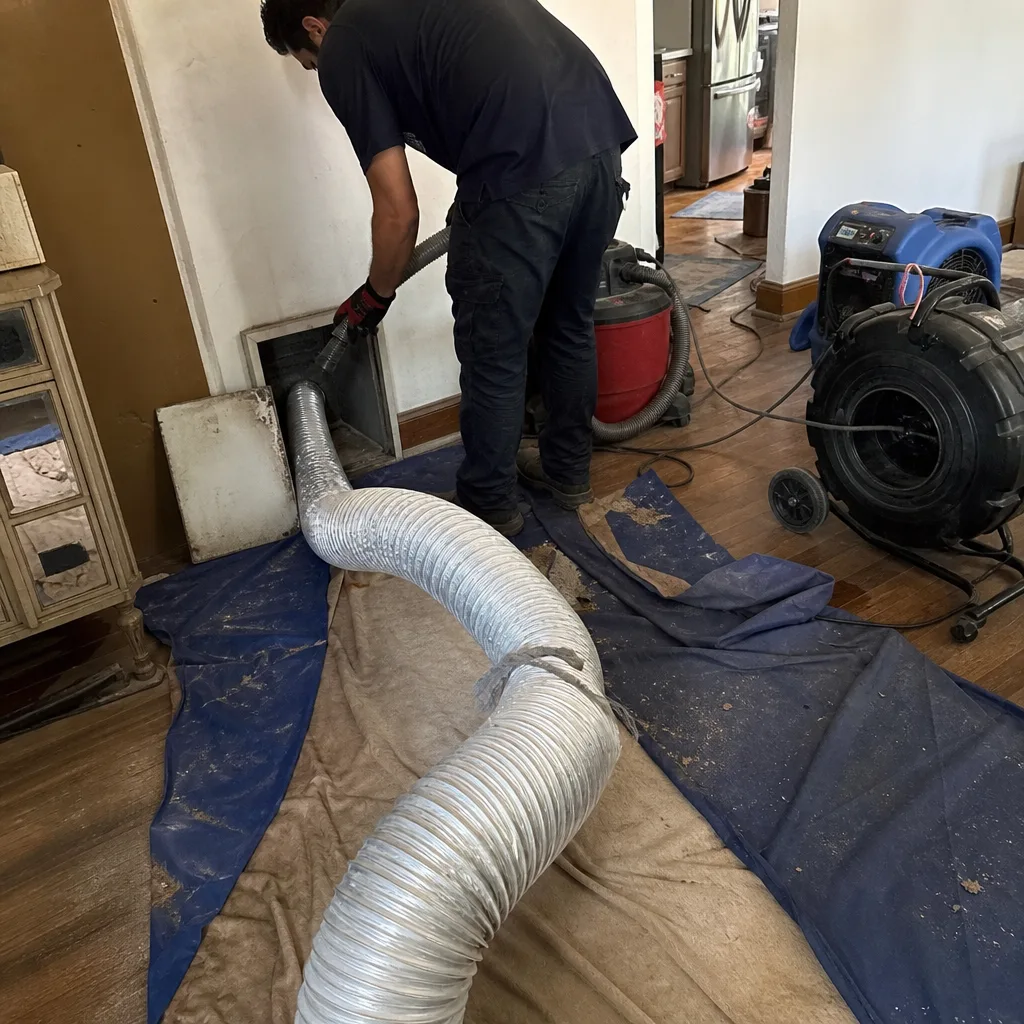 Before
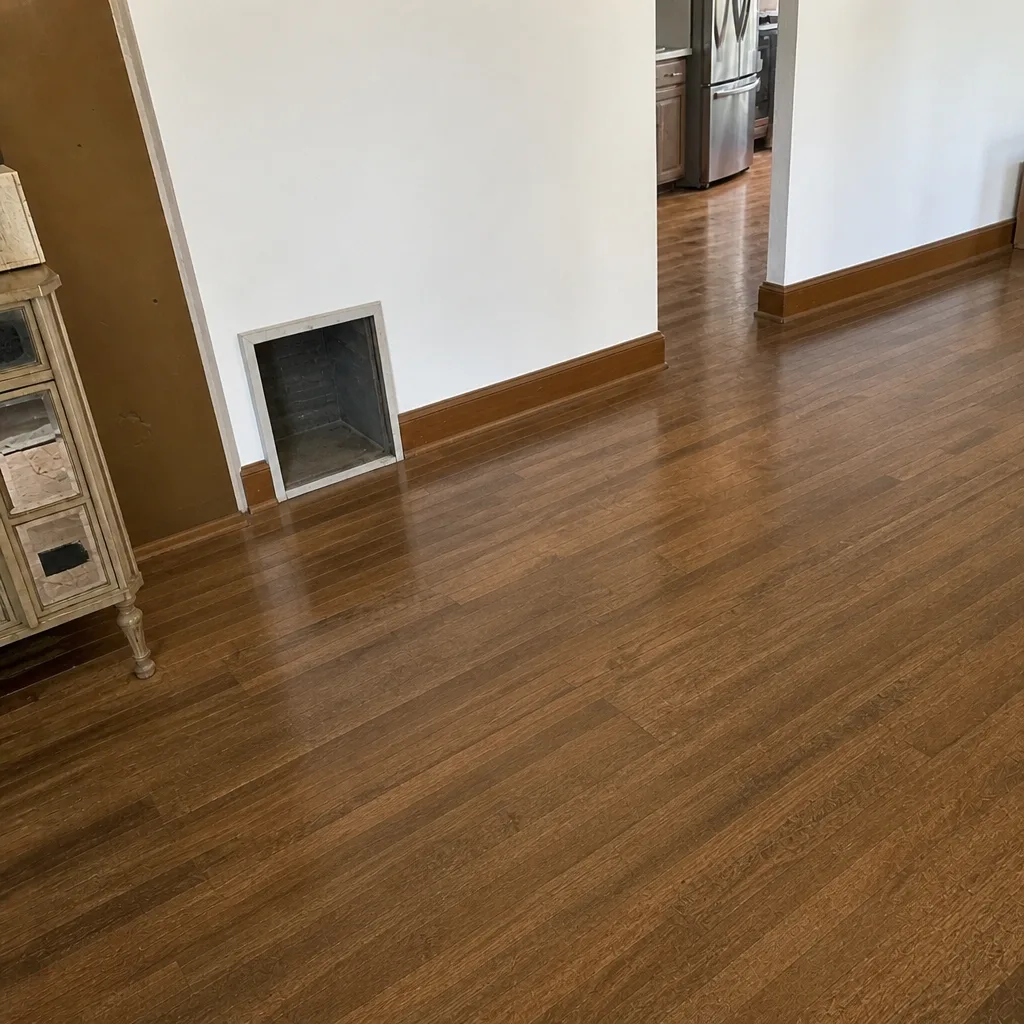 After
Common Mistakes to Avoid
- Assuming a clean filter means clean ducts. The filter catches what reaches it. Material already inside the ducts or settling in low-velocity sections never sees the filter. A clean filter and dirty ducts can coexist for years.
- Treating the first heat-cycle smell as harmless without checking. Most of the time it’s unremarkable. When it recurs or lingers, it’s a signal. The cost of a camera inspection is small compared to ignoring what the camera would find.
- Calling for duct cleaning when the odor is component-origin. A blower motor, heat exchanger, or drip pan issue won’t be solved by cleaning ducts. The inspection needs to identify the source first.
- Ignoring low airflow in rooms that used to be comfortable. In North Hollywood ranch layouts, this often signals a damaged or disconnected duct branch, not an HVAC sizing issue. Waiting doesn’t improve it.
- Replacing filters more often instead of investigating why loading accelerated. A better filter catches more, but it doesn’t change what’s happening inside the ducts. You’re managing a symptom, not the source.
- Postponing post-renovation duct attention because the visible dust is gone. What settled on surfaces in a week is a fraction of what entered the system. The ducts keep distributing it slowly, and you stop noticing because it’s spread thin.
Frequently Asked Questions
The most reliable way is to look at what’s actually inside. A borescope camera inspection shows you the duct interior at the trunk line and branch takeoffs, where problems concentrate. A camera inspection means you make a decision based on evidence rather than a sales pitch. If no one can show you the inside of your ducts, you don’t have enough information to decide.
Pricing is per job by written estimate, not per vent. The final cost depends on the size of your system, the number of returns, the level of contamination, and whether any duct sections need repair. We give you a written estimate before work starts, agreed at one flat price. Call (833) 589-9715 for an exact quote. Estimates are free.
Low-bid services often don’t use contact-cleaning equipment. A shop vac can’t reach the duct walls the way a Rotobrush system can, and it doesn’t contain extraction with HEPA filtration. What gets loosened but not removed stays in your home. The price difference usually reflects the equipment, the time spent at each register, and whether the technician actually cleans the full system or just what’s visible. Ask what platforms they run and whether they’ll show you before-and-after footage.
There’s no fixed interval that applies to every North Hollywood home. We find that systems with regular filter maintenance and no renovation history can go five years or more between needed cleanings. Homes with pets, frequent window-open periods, or any renovation work tend to need attention sooner. Rather than working from a calendar, use the signs in this guide: filter loading acceleration, odor changes, temperature differences between rooms, and what a periodic camera check shows.
No. Drywall dust is too fine to settle permanently and too heavy to fully blow through. It coats the duct interior, collects at transitions and elbows, and gets redistributed slowly each time the system cycles. It doesn’t self-evacuate. The only way to remove it is contact cleaning and HEPA extraction, along with a filter replacement at the end of the job.
It depends on what you’re smelling and whether it recurs. A brief dusty smell during the first heat cycle of the season is often heat exchanger surfaces burning off accumulated dust. A persistent smell that returns with every cycle, or a smell that’s stronger in some rooms than others, points toward duct interior contamination. A camera inspection can tell you which applies to your system. Call (833) 589-9715 and we’ll take a look. We answer 24/7. Fast dispatch from 7am to 7pm.
The Bottom Line
You don’t need to see dust blowing from a register to have a duct problem worth addressing. The signs that matter in North Hollywood show up earlier: uneven temperatures across a ranch floor plan, a filter loading faster than last season, a stale or metallic smell on the first heat cycle, allergy patterns that track with HVAC operation, or a renovation that ran the system while drywall was being worked. None of these proves anything on its own. Together or in combination, they justify a look inside. A borescope inspection gives you the answer without a commitment. And if the camera shows a problem, the right equipment and the ability to fix damaged duct sections make the difference between cleaning around a problem and resolving it.
Written by the team at Onyx Duct Cleaning, serving North Hollywood since 2013.