
Last updated November 4, 2026
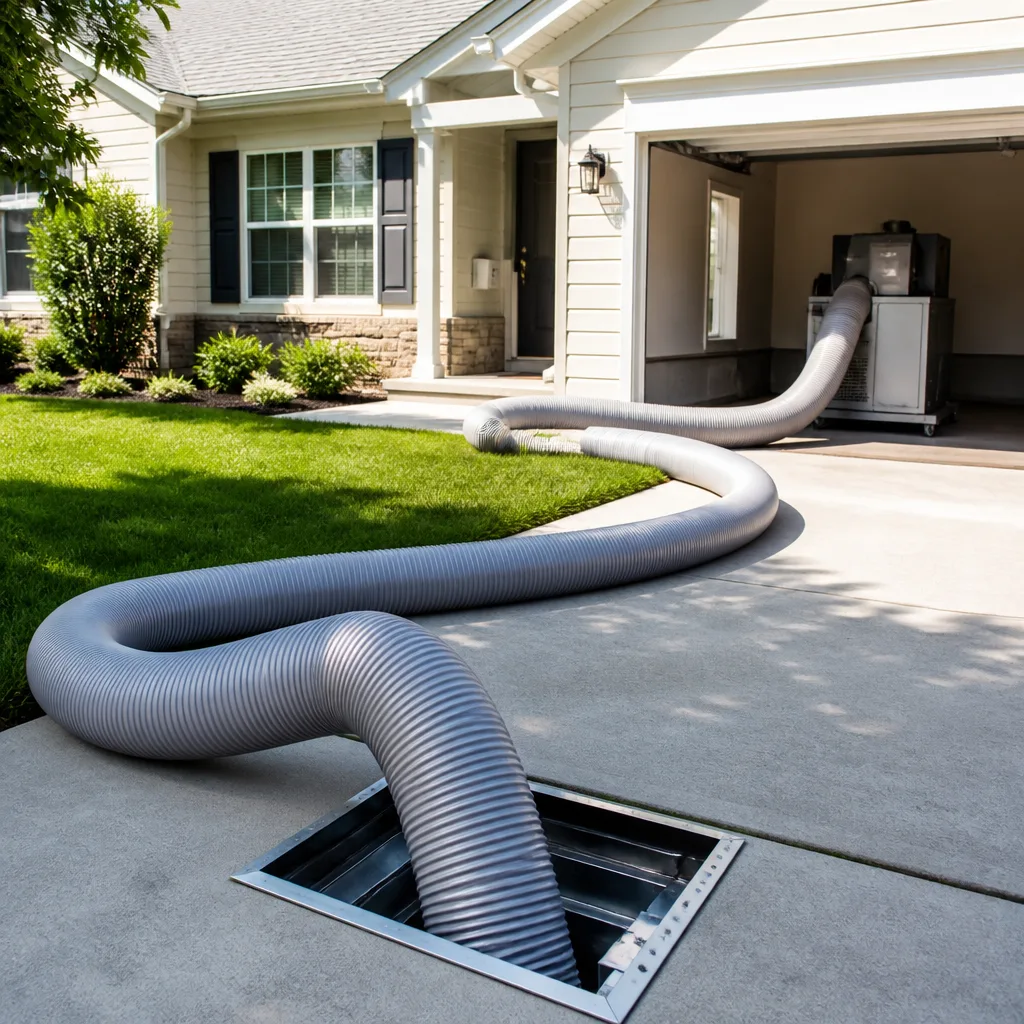 Whole-home duct cleaning
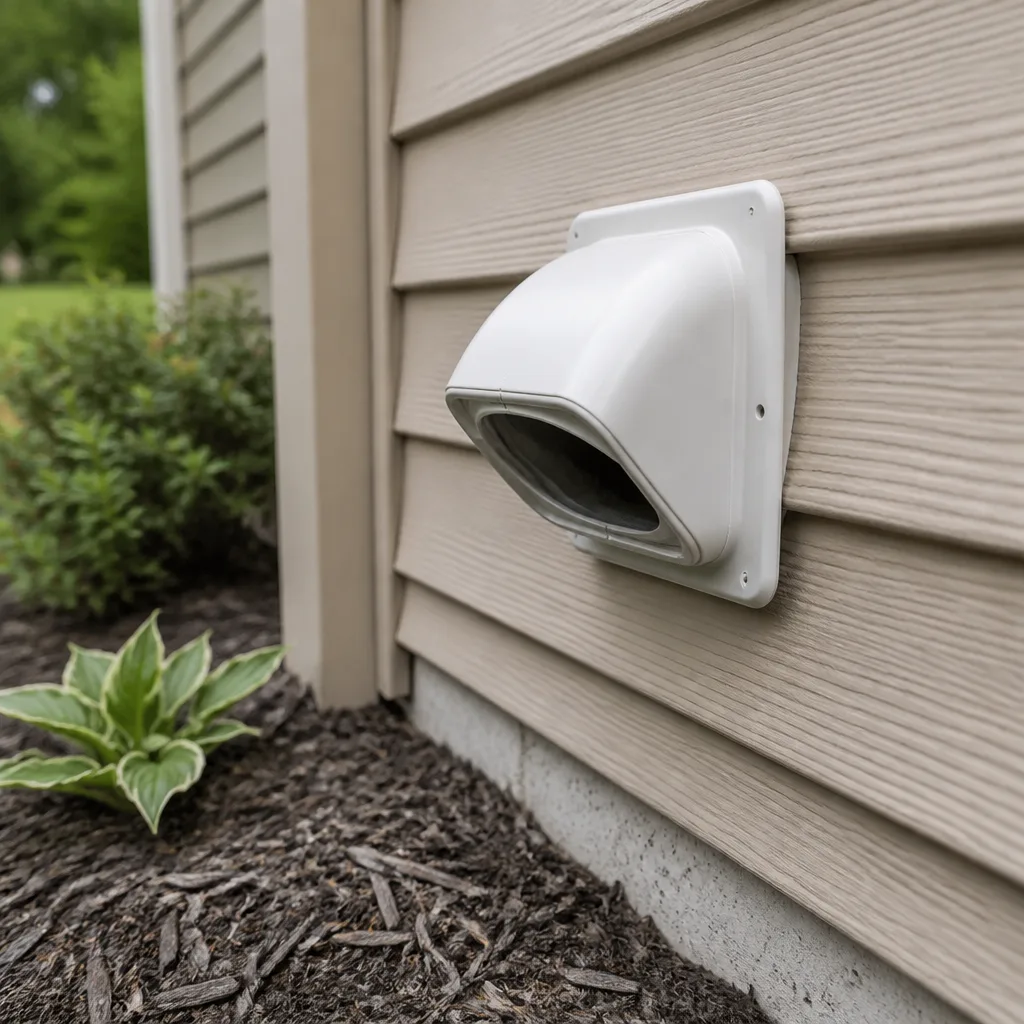 Dryer vent cleaning
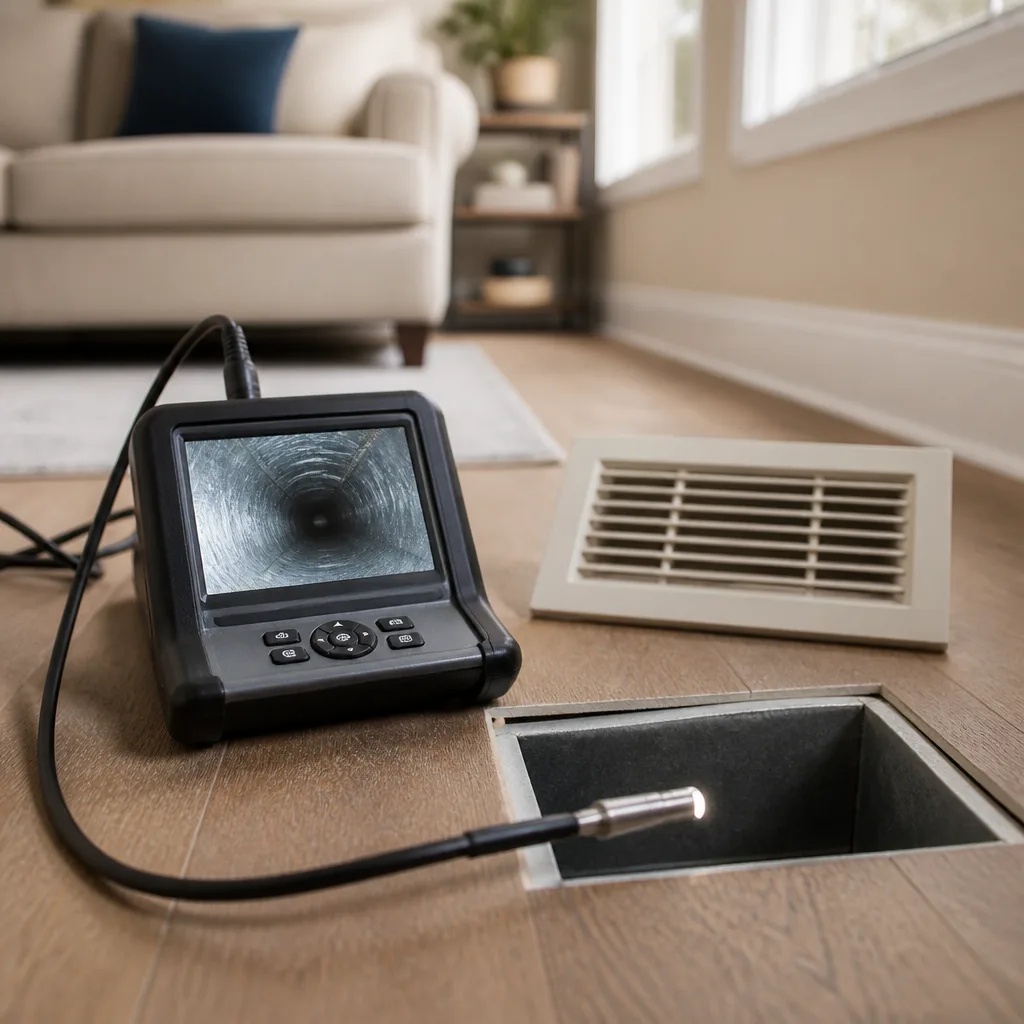 Camera inspection
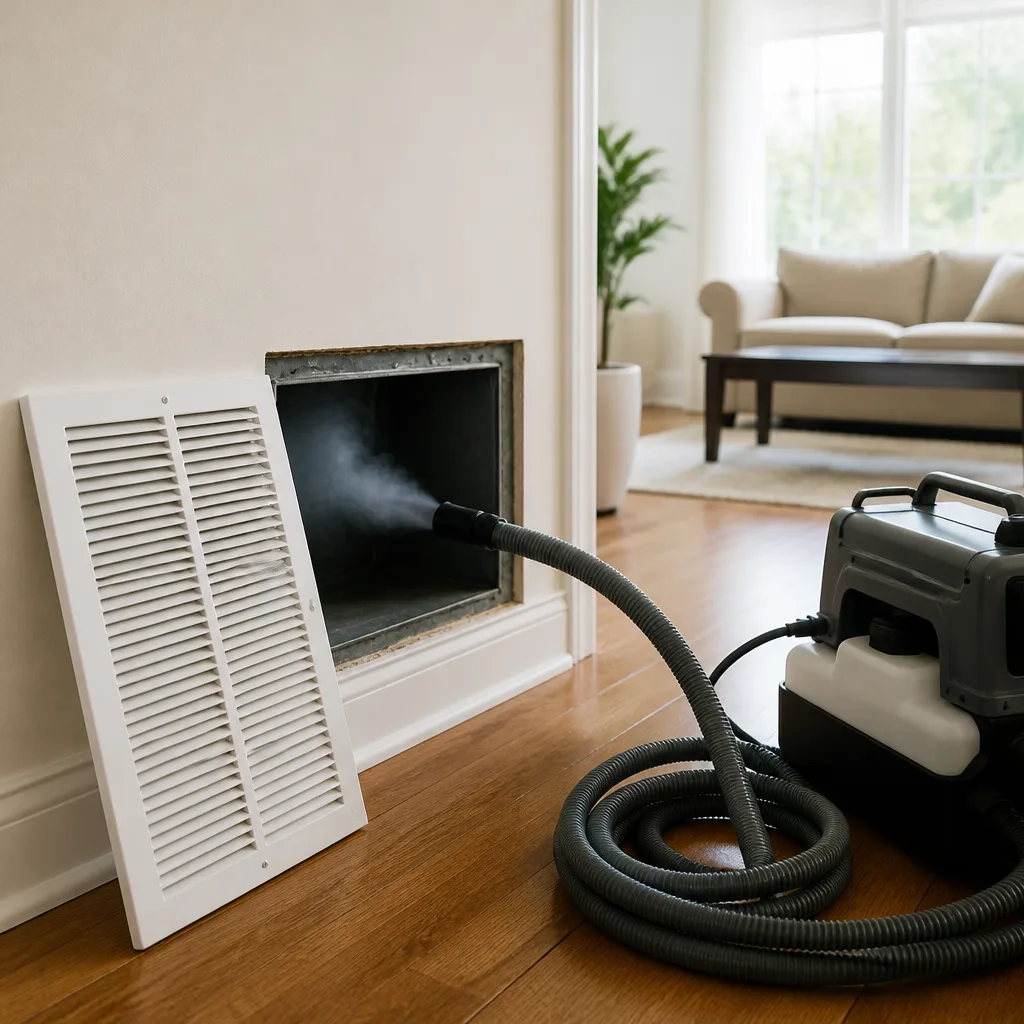 Sanitizing & deodorizing
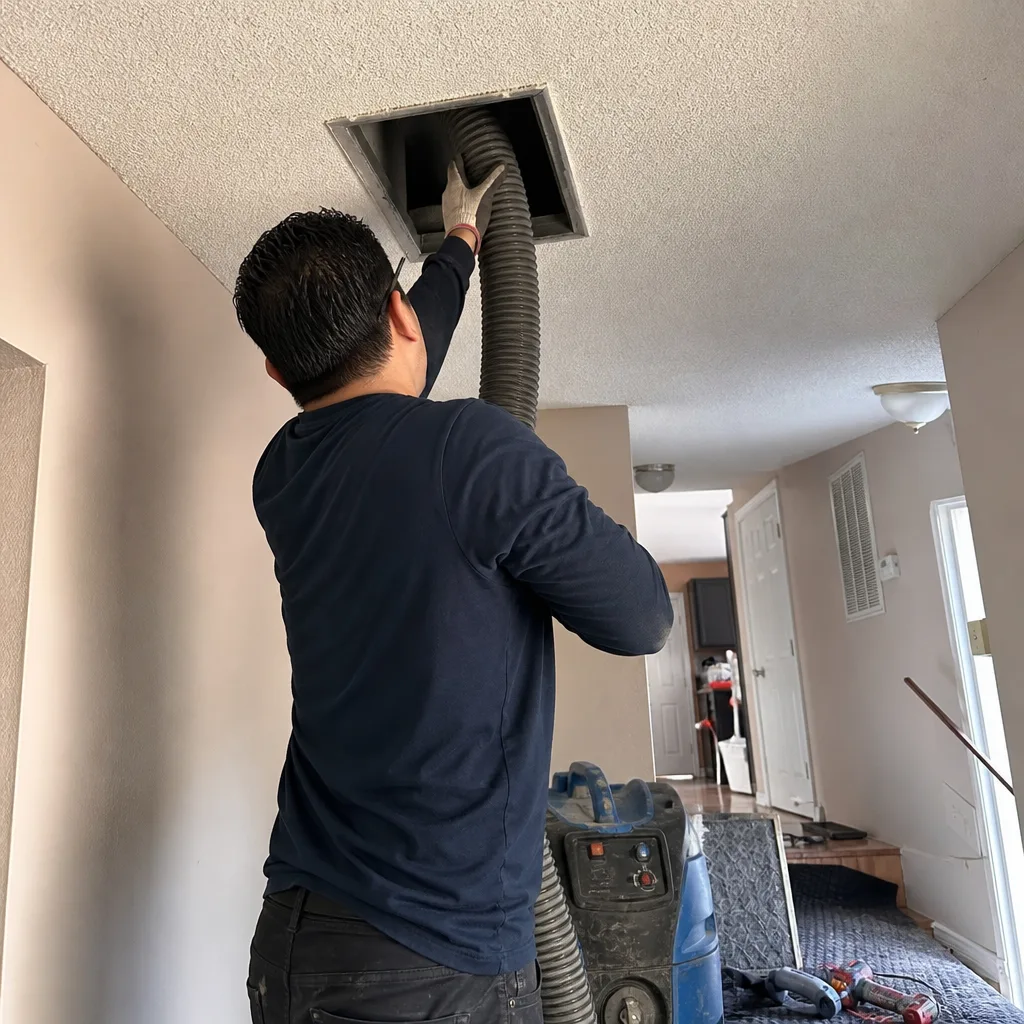
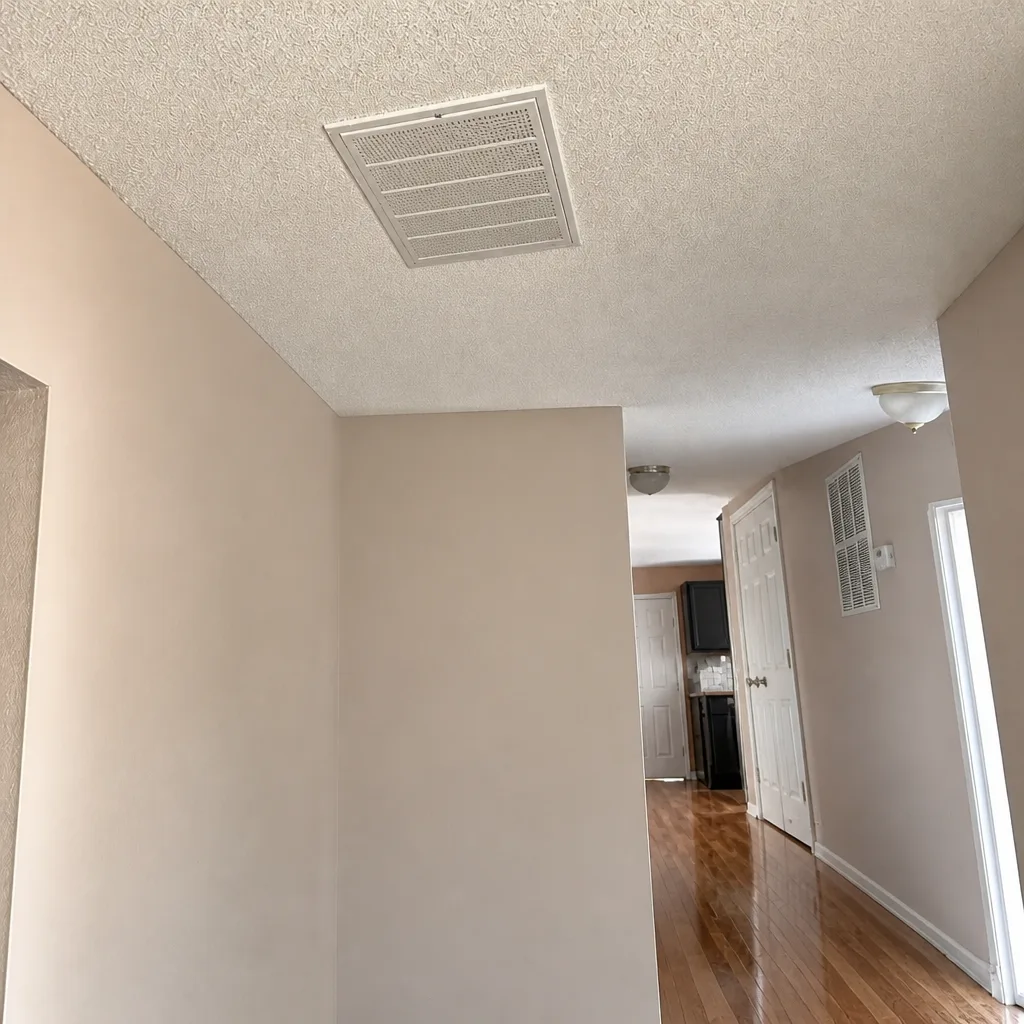
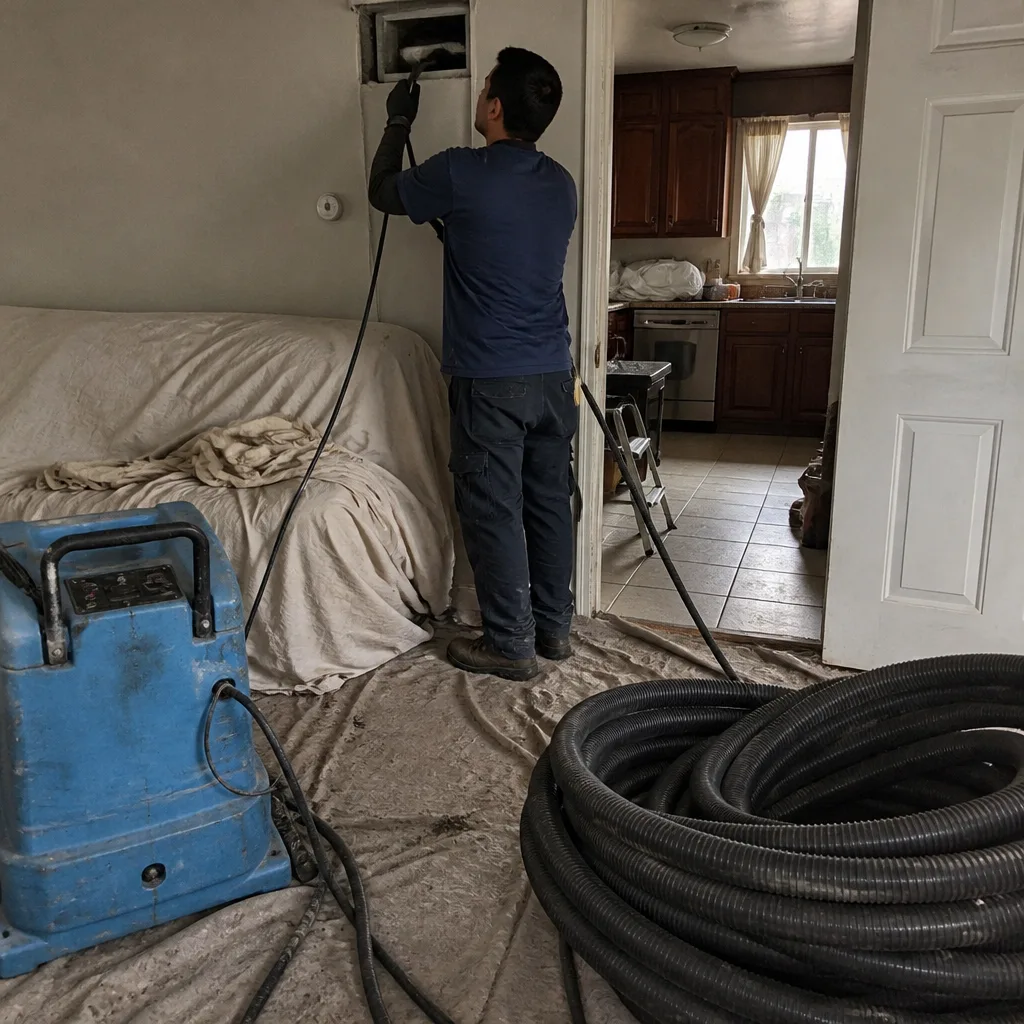
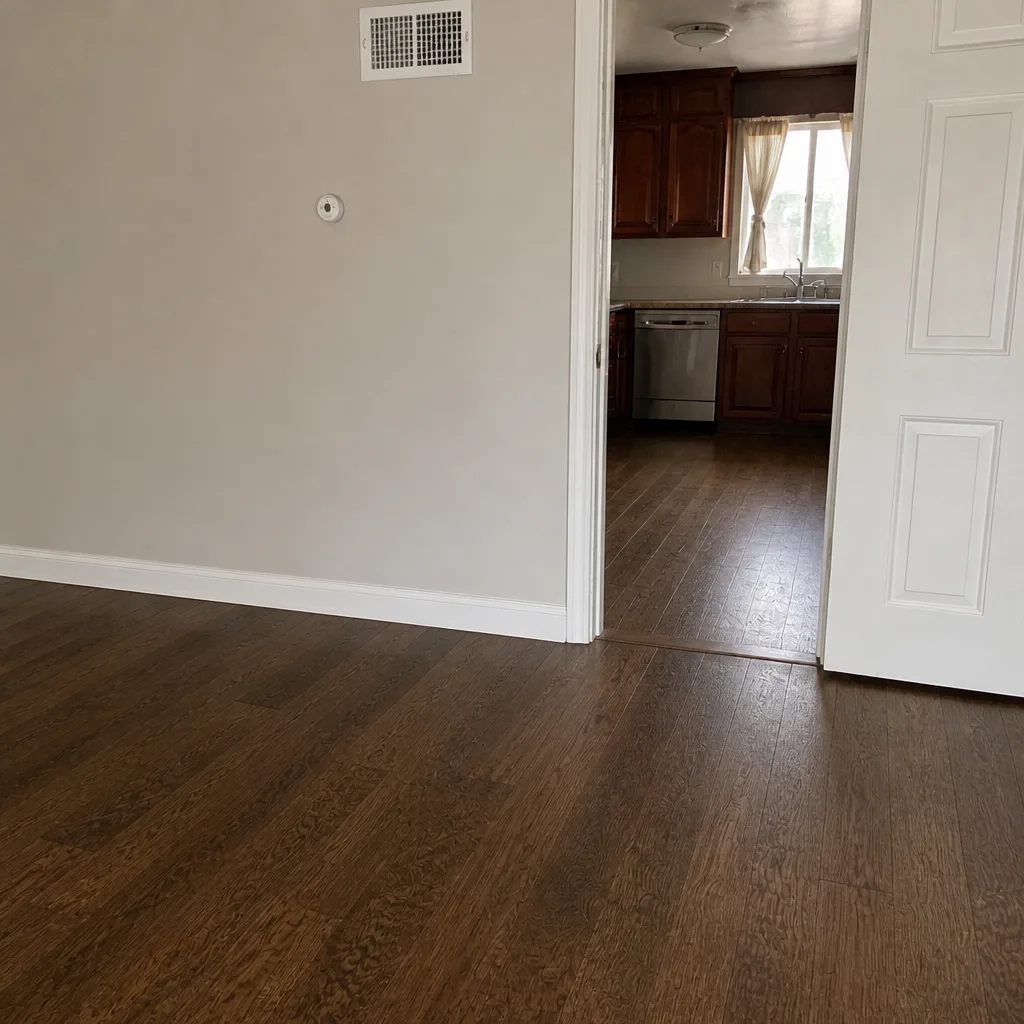
Whole-system duct and dryer vent check with before-and-after photos - you see exactly what came out of your vents
That "$99 whole-house special" is a bait ad - the real number appears once they are in your hallway, or the "clean" is a shop-vac at the register. We photograph the inside of your ducts before and after instead.
Seasonal Air Duct Cleaning Care for North Hollywood: Year-Round Homeowner’s Guide
Most Valley homeowners ask ‘how often should I clean my ducts?’ The more useful question is ‘what just happened to the air outside, and what did my duct system absorb from it?’ North Hollywood doesn’t have four textbook seasons. It has a fire season, a heat season, a brief wet window, and a construction-heavy spring, and each one stresses duct systems in a different way. This guide maps duct care to those actual conditions, so you can stop guessing at a calendar interval and start responding to what the air is actually doing to your home.
Styles & brands we work with
- Whole-home duct cleaning
- Dryer vent cleaning
- Camera inspection
- Sanitizing & deodorizing
Quick Answer
Seasonal air duct cleaning in North Hollywood means responding to four distinct stress periods: sustained summer heat that degrades flex ducting, fall smoke events that deposit fine particulate in your system, winter condensation cycles that can trigger microbial growth, and spring renovation dust that finds its way into return air. Most homes in this Valley climate benefit from an inspection after each of these triggers, with a full cleaning typically warranted every 2-3 years unless a specific event accelerates the need. The right schedule follows the stressors, not the calendar.
Table of Contents
- Summer Heat Protocol: What 100°F+ Days Do to Your Ducts
- Fall Fire Season: Assessing Duct Contamination After a Smoke Event
- Winter Wet Season: Condensation Risks in Valley HVAC Systems
- Spring Construction Season: The Secondary Contamination Peak
- How to Structure a Service Schedule Around Real Triggers
- Signs to Look For During Each Season
- Common Mistakes to Avoid
- When to Call a Professional
- Frequently Asked Questions
- The Bottom Line
Summer Heat Protocol: What 100°F+ Days Do to Your Ducts
North Hollywood summers are not a background condition. They’re a load test on your entire air distribution system. When outdoor temperatures sit above 100°F for consecutive days, the air moving through your ducts is doing serious thermal work, and the materials those ducts are made from respond accordingly.
Flex duct, the flexible insulated tubing found in most Valley homes, becomes more pliable under sustained heat. Connections that were sealed at installation can shift. Small separations at takeoff collars or register boots open up. That’s not a dramatic failure, it’s a slow leak that pulls attic air, typically 130°F or hotter, directly into the conditioned airstream. Your system works harder, your energy use climbs, and the duct interior now has an entry point for whatever is floating in the attic space.
Heat also changes the biology inside the system. The air handler sits in an unconditioned space, often a garage or attic. When the coil runs cold and the surrounding air is over 100°F, condensation forms more aggressively. That moisture, combined with darkness and the organic material that accumulates on a wet coil, creates exactly the environment where microbial growth accelerates. We’re not talking about the coil only. That moisture signature carries into the first several feet of supply plenum and ductwork.
We’ve inspected systems in North Hollywood after heat waves where the first four feet of supply duct showed visible moisture staining on the interior liner. That staining is the early warning. Left unaddressed through another summer, it becomes a substrate for biological activity that every subsequent cooling cycle distributes through the living space.
What to do during summer:
- Check for visible condensation or staining around the air handler cabinet and the first run of supply duct.
- Listen for a change in airflow at individual registers. A room that suddenly gets weak airflow in July often points to a separated flex connection, not a failing blower.
- Inspect the exterior of accessible ducts in the attic for sagging or collapsed sections. Heat softens the inner liner, and the weight of insulation can cause it to pinch.
- If the home has been through significant renovation work earlier in the year, summer is when that debris gets pulled into the return path and distributed.
Fall Fire Season: Assessing Duct Contamination After a Smoke Event
Fall in North Hollywood now carries a specific air quality profile. Wildfire smoke from regional fires settles over the Valley for days or weeks, and it doesn’t stay outside. Your HVAC system actively pulls that smoke through the return registers, through the filter, and into the supply side of the system whenever the blower runs.
The question we hear most often in the fall is ‘do I need my ducts cleaned after the smoke clears?’ The honest answer is that it depends on proximity, duration, and what your system was doing during the event.
Here’s the distinction that matters. Smoke particulate is extremely fine, typically under 2.5 microns. A standard one-inch fiberglass filter captures very little of it. What the filter doesn’t capture moves through the blower, through the coil, and into the supply ducts. Some of it exits into the home. Some of it deposits on the duct walls, particularly where the duct makes turns or where the interior surface is already slightly damp from cooling-season condensation.
If you ran the system continuously during a heavy smoke period, the duct interior now holds a film of smoke particulate. You may not see it. You may smell it the first time the system cycles after the outside air clears, because heat from the heat exchanger or the first hot day reactivates the odor. That’s the signature of smoke deposition in the ducts, not smoke still present in the air.
When cleaning is medically warranted versus precautionary:
- Medically warranted: Anyone in the home has asthma, COPD, or another respiratory condition aggravated by the smoke period. The duct system is now a reservoir that can re-release fine particulate.
- Medically warranted: The smoke event was prolonged, close, or included structure-fire smoke from a neighboring property. Structure-fire smoke carries a different chemical load than wildland smoke.
- Precautionary: The smoke period was brief, the home’s windows stayed closed, and the system ran in recirculation mode. A filter change and a few days of outside air may be enough.
- Precautionary: The system was off during the smoke event. If the blower wasn’t running, the ducts weren’t actively drawing smoke in.
The filter in your system is the first line of defense during smoke season. A high-MERV filter rated for smoke particulate makes a measurable difference. But it also increases static pressure, and older systems may not handle that added resistance. We recommend checking with a professional before dropping a high-MERV filter into a system that wasn’t designed for it.
Winter Wet Season: Condensation Risks in Valley HVAC Systems
North Hollywood’s winter is mild by any national standard, but it brings a specific moisture profile that interacts with HVAC systems in ways most homeowners don’t anticipate. January and February are the months when we see a distinct pattern in Valley homes: cool nights, warm afternoons, and intermittent rain. That cycle creates condensation inside duct systems that spent all summer running cold and dry.
Here’s what happens. During the day, the air outside warms to 65°F or 70°F. The home’s interior stays cooler, particularly in the morning before the heat kicks on. When moist outdoor air finds its way into an attic where the duct system runs, it contacts duct surfaces that are cooler than the surrounding air. Condensation forms on the exterior of the ducts. That’s common.
The bigger issue is interior condensation. When the heating system runs for the first time in months, it pushes warm air through ducts that have been sitting unused. If those ducts contain any residual moisture from the summer cooling season, or if the heating cycle is short and the ducts never fully warm, the interior surface stays cooler than the air moving through it. That’s a condensation signature.
On inspection, we look for:
- Moisture staining or water marks on the interior liner of supply ducts, particularly in the first ten feet from the air handler
- A musty odor that appears only when the heat runs, then fades as the system warms
- Visible mold-like growth on the interior of return boots or grille frames
- Rust or corrosion on metal components inside the blower cabinet
- Damp insulation around duct connections in the attic
This winter moisture signature matters because it sets up the spring. Microbial growth that begins in a damp duct system during February doesn’t stay dormant. It gets distributed when the system switches back to cooling in April or May. The first hot week of the year is when many North Hollywood homeowners notice a smell from the vents that wasn’t there all winter. That’s not a new problem. That’s a winter moisture problem announcing itself.
Spring Construction Season: The Secondary Contamination Peak
Spring in North Hollywood is renovation season. Homeowners remodel kitchens, add ADUs, redo landscaping, and repaint. Every one of those activities generates particulate that finds its way into the duct system. Spring is the secondary contamination peak for ducts, right behind fall fire season, and it’s driven entirely by local activity patterns.
Construction dust is different from the dust that accumulates from everyday living. It contains drywall compound, tile grout, wood sanding residue, and often silica from cutting concrete or stucco. These particles are heavier than household dust and they don’t stay suspended in the air. They settle in the duct system, particularly in the return path where air velocity drops.
The problem is compounded when the HVAC system runs during construction. Every time the system cycles, it pulls construction dust through the return registers and deposits it in the return ducting, the filter housing, the blower assembly, and the coil. The coil is the worst location. Wet with condensation and designed with hundreds of small fins, it becomes a collection point for fine dust that then bakes on as the coil dries between cycles. That baked-on layer reduces heat transfer efficiency and creates a substrate for biological growth.
Landscaping work is the quieter culprit. Mowing, blowing, and the fine dust from decomposed granite or bare soil around North Hollywood homes all get pulled into the system through exterior-adjacent returns or door gaps. In a neighborhood with as much construction turnover as North Hollywood, the ambient dust load is simply higher than in a more settled area.
What we recommend after renovation work:
- Change the filter immediately after construction ends, even if it looks clean. It’s not clean.
- Run the system in fan-only mode for a day to move any loose particulate through to the filter.
- Have the coil inspected. A coil loaded with construction dust can lose 10-15% of its efficiency and will cost you money all summer.
- If the renovation involved drywall or tile work, schedule a duct inspection. Those materials settle fast and don’t blow through on their own.
How to Structure a Service Schedule Around Real Triggers
The standard industry answer is ‘clean your ducts every 3-5 years.’ That’s a national average built around different climate zones and different housing stock. The North Hollywood answer is more precise, because the triggers are more identifiable. You don’t need to guess at a calendar interval when you can watch for the specific conditions that demand attention.
Here’s the schedule we suggest for most homes in this climate, structured around trigger events rather than time elapsed:
- After a significant smoke event: If wildfire smoke sat over the Valley for more than a few days and the system ran during it, schedule an inspection. The decision to clean follows the inspection.
- After any renovation that generated drywall dust, tile work, or floor sanding: The duct system needs to be assessed, not assumed clean. Construction dust doesn’t self-evacuate.
- After the first full cooling season of a new HVAC installation: New systems pull air differently, and anything left in the ductwork from the previous system gets redistributed.
- Every 2-3 years as a baseline: For homes with no specific trigger events, this interval matches the accumulation rate we see in Valley systems under normal operating conditions.
- When you can see it: If a register looks dusty every week no matter how much you clean, if dust blooms around the supply vents, or if you can see debris in the return grille, the system is telling you something.
- When you can smell it: A persistent dusty or musty odor when the system runs is the most reliable indicator that the problem is inside the ducts, not in the room.
This trigger-based approach does something a fixed calendar interval can’t. It aligns the cleaning with the event that caused the contamination. A system cleaned after a smoke event is cleaner than one cleaned six months later after the particulate has settled and bonded to the duct walls. Timing matters.
Signs to Look For During Each Season
The visual and sensory indicators of duct problems shift with the seasons. Here’s what to watch for throughout the year in North Hollywood.
Summer
- Weak airflow from individual registers, especially in rooms farthest from the air handler
- A damp or musty smell when the system first kicks on after being off overnight
- Visible condensation on the exterior of duct runs in accessible attic space
- Higher-than-expected energy bills compared to the same month last year
Fall
- A smoke or ash smell from the vents when the system runs after a fire event
- Fine dark dust accumulating around supply registers even with a clean filter
- Increased allergy symptoms for occupants during a season that’s historically mild
- Filter that looks loaded days after being changed during smoke season
Winter
- Musty odor when the heat runs, fading after the system warms up
- Visible moisture or staining around the air handler cabinet
- Rust or corrosion on visible metal duct surfaces
- Damp spots on attic insulation near duct connections
Spring
- Dust bloom from supply registers when the system switches from heat to cool
- Visible drywall dust or construction debris on the return grille
- A burning smell from the vents the first time the heat runs after renovation work
- Reduced airflow after painters or flooring contractors have been in the home
Common Mistakes to Avoid
- Changing the filter and calling it done. A filter captures what’s in the air passing through it. It does nothing for what’s already deposited on the duct walls, the coil, or the blower. Filter maintenance prevents new accumulation; it doesn’t remove existing buildup.
- Running the system during construction without sealing the returns. Every hour the blower runs during drywall or tile work, it actively pulls construction dust into places you can’t reach. Seal the returns or shut the system down.
- Assuming a newer home has clean ducts. North Hollywood has a significant amount of new construction and recent renovation. New doesn’t mean clean. Construction debris in ducts is a well-documented issue in new builds.
- Ignoring a smell from the vents. A musty or dusty odor when the system runs is a diagnostic signal. Waiting to see if it goes away on its own is how small duct problems become larger indoor air quality problems in a Valley climate where moisture and heat are always in play.
- Cleaning the ducts without addressing the source. If the ducts are contaminated because of a separated connection pulling attic air, cleaning alone won’t fix it. The source has to be repaired first. This is why air duct cleaning and duct repair are often best handled together, not as separate events.
- Trusting a low-bid duct cleaning that uses consumer-grade equipment. A shop vac attached to a duct opening doesn’t clean the system. It agitates the surface layer and leaves the bonded debris intact. The equipment matters, and North Hollywood homeowners who’ve paid for ineffective cleaning once are rarely willing to pay for it twice.
- Using the same schedule as a relative in another climate. Someone in Chicago cleans their ducts on a different rhythm because their system sees different stresses. North Hollywood’s schedule is built around heat, smoke, renovation dust, and a specific moisture window. Apply the local triggers, not a national average.
When to Call a Professional
Some duct conditions are visible and some require professional inspection to identify. Call a professional when the smell from the vents persists after a filter change, when airflow drops noticeably at some registers but not others, when you can see visible dust or debris inside the return grille, when the system has run through a prolonged smoke event, or when renovation work has occurred without proper return sealing. If the ducts show signs of separation, sagging, or damage, that’s a repair issue as much as a cleaning issue. Onyx Duct Cleaning offers free estimates in North Hollywood. Call (833) 589-9715 and we’ll assess the system and give you a written estimate. We answer 24/7. Fast dispatch from 7am to 7pm, Sunday through Friday.
Frequently Asked Questions
Every 2-3 years is the right baseline for most North Hollywood homes, but trigger events move that schedule up. A heavy smoke season, a renovation that generated construction dust, or visible signs of moisture in the system all justify an earlier cleaning. The local climate, with its heat, smoke, and winter condensation cycle, means the system accumulates deposits faster than the national average would suggest.
Professional air duct cleaning removes the built-up layer of dust, pet dander, construction particulate, smoke residue, and biological material that has settled on the interior surfaces of the supply and return ducts, the coil, the blower, and the registers. It’s not a surface dusting. It’s a full-path removal of the accumulated deposits that regular filter changes never touch.
The most reliable indicator is a smoke or ash odor from the vents when the system runs after the outdoor air has cleared. You may also see fine dark dust accumulating around supply registers faster than normal. If the system ran during the smoke event, particulate almost certainly moved through it. The degree of deposition is what determines whether a cleaning is warranted. Call (833) 589-9715 and we’ll help you assess it.
That musty odor when the heat first runs is typically a moisture signature from the cooling season. Condensation that formed on the coil and in the first few feet of supply duct over the summer doesn’t always fully dry. When the furnace pushes warm air through that damp interior, it activates the odor. In North Hollywood’s January and February wet window, that cycle is common. It’s a sign that the system carried moisture into the heating season and may need attention.
Yes, and it does in nearly every renovation where the HVAC system is left running. Construction dust is heavier than household dust, so it settles in the return path and on the coil rather than blowing through. Drywall compound and tile grout are particularly problematic. If you’ve renovated and haven’t had the system inspected, there’s almost certainly construction debris in places you can’t see from the register.
Pricing depends on the size of the home, the number of systems, the accessibility of the ductwork, and what the inspection reveals. We don’t quote a per-vent price and we don’t bait with a teaser figure. The written estimate sets the final price before any work begins. For an exact quote on your home, call (833) 589-9715. Estimates are free.
The Bottom Line
North Hollywood doesn’t fit a textbook seasonal mold, and your duct care shouldn’t either. The system that keeps your home comfortable through 100°F summers, smoky autumns, damp winter mornings, and construction-heavy springs absorbs a piece of each season as it passes. Watch for the triggers. Inspect when they occur. Clean when the inspection says it’s time. And when you do clean, use equipment that actually removes what’s in the ducts, not equipment that rearranges it. The right schedule, built around the real conditions of this Valley climate, keeps a home’s air cleaner and its system running longer than any national-average timetable ever will. If you’re in the North Hollywood area and want a professional assessment, Onyx Duct Cleaning is here to help. Also worth remembering: your dryer vent cleaning follows the same seasonal logic, since lint accumulation and summer heat combine the same way in that system as they do in your ducts.
Written by the team at Onyx Duct Cleaning, serving North Hollywood since 2013.
See the difference
 Before
 After
 Before
 After
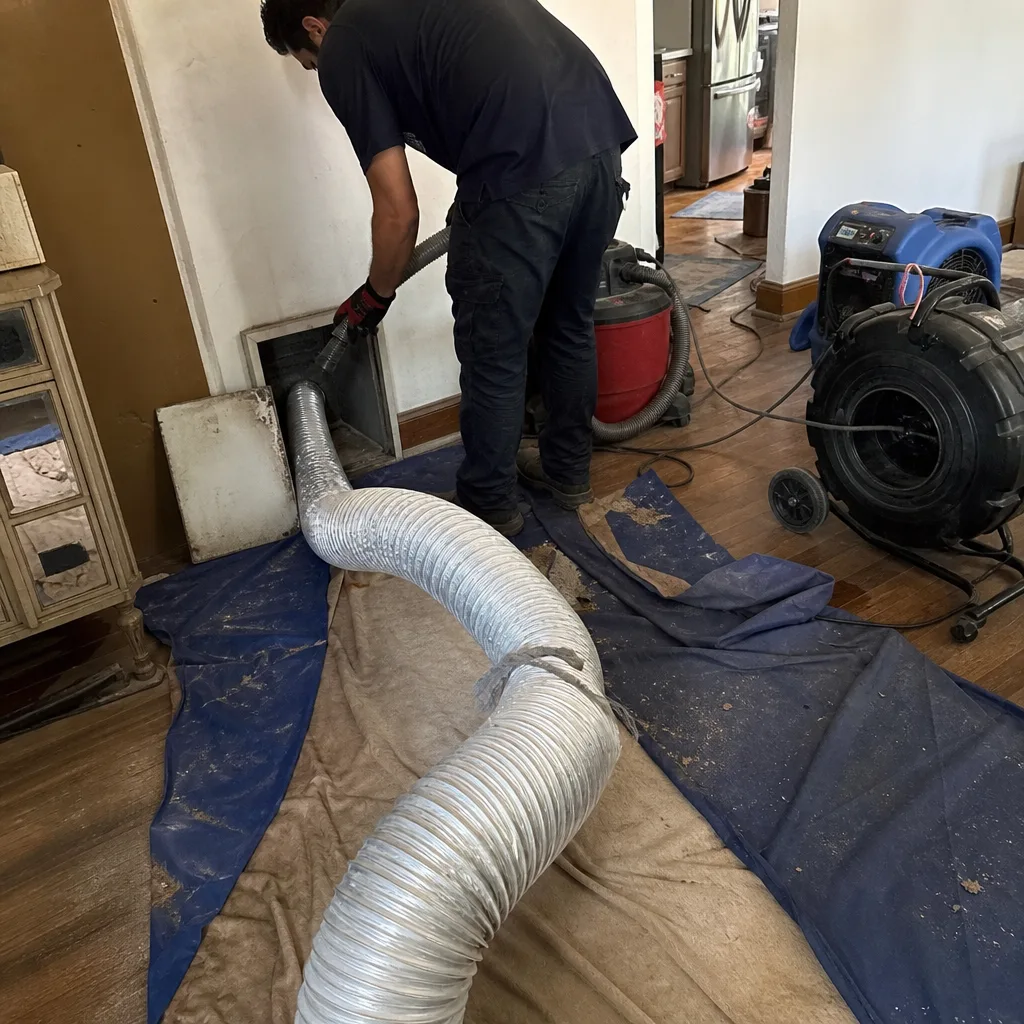 Before
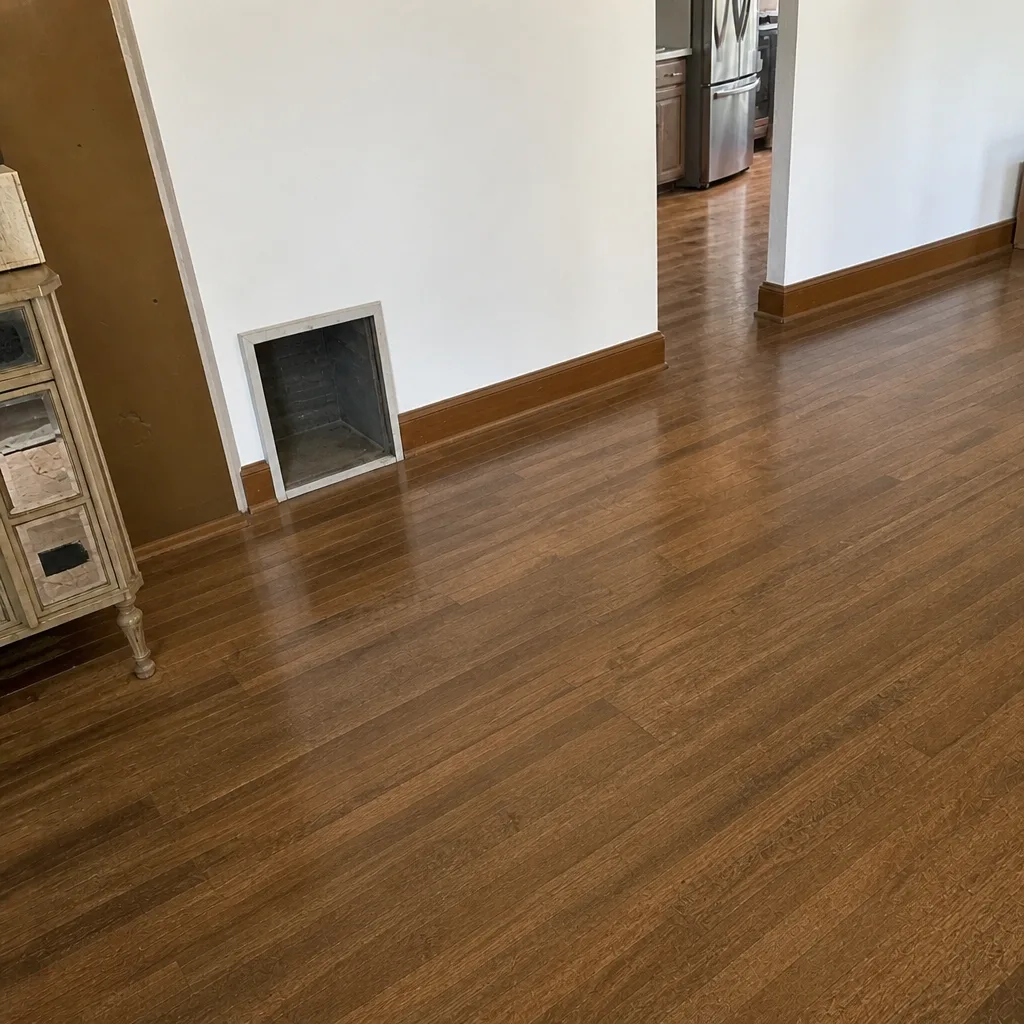 After