
Last updated November 4, 2026
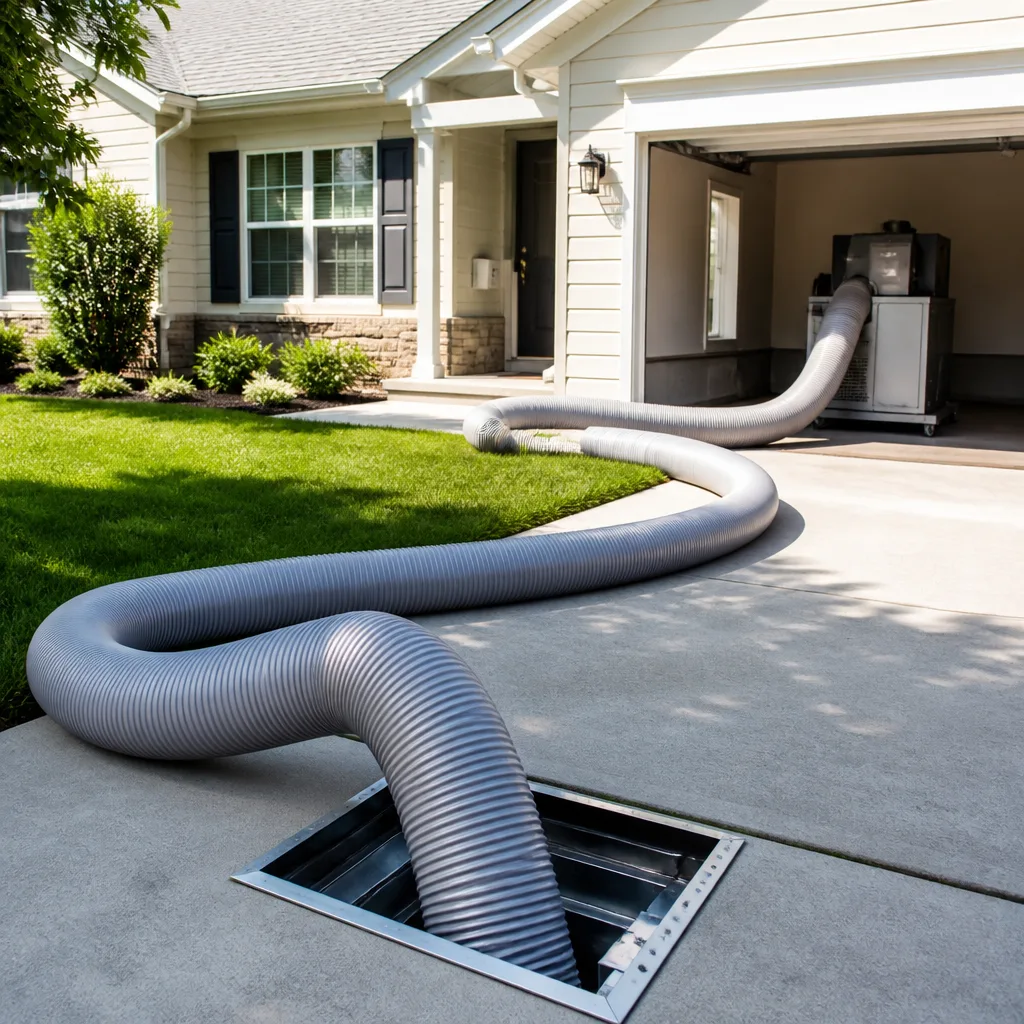 Whole-home duct cleaning
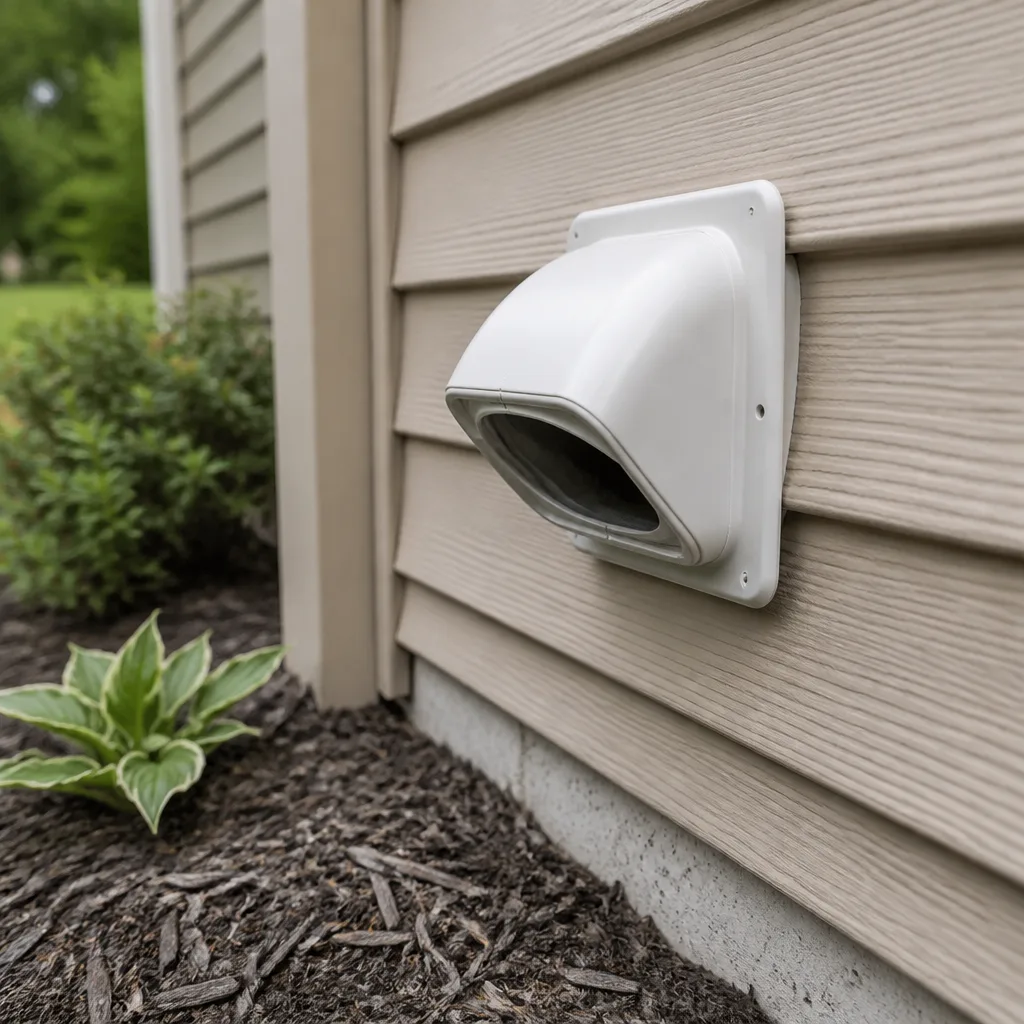 Dryer vent cleaning
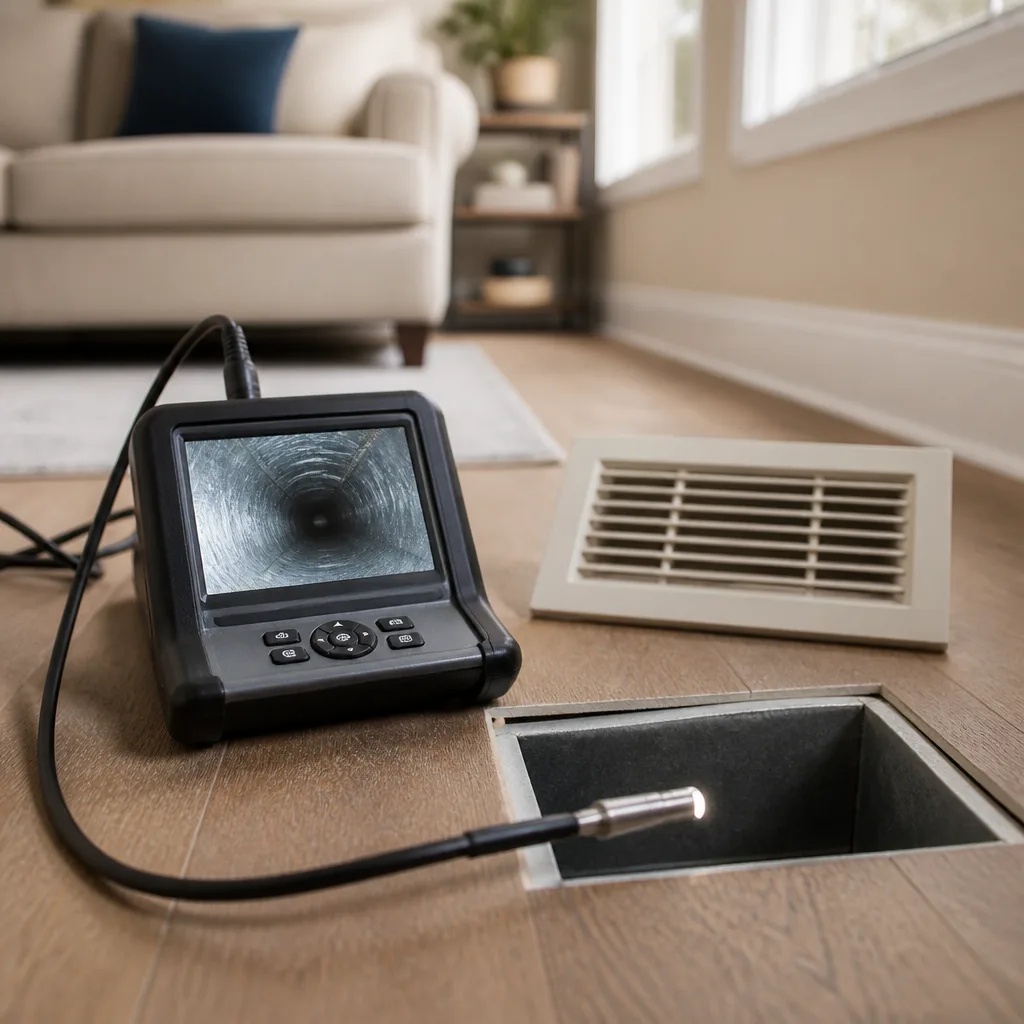 Camera inspection
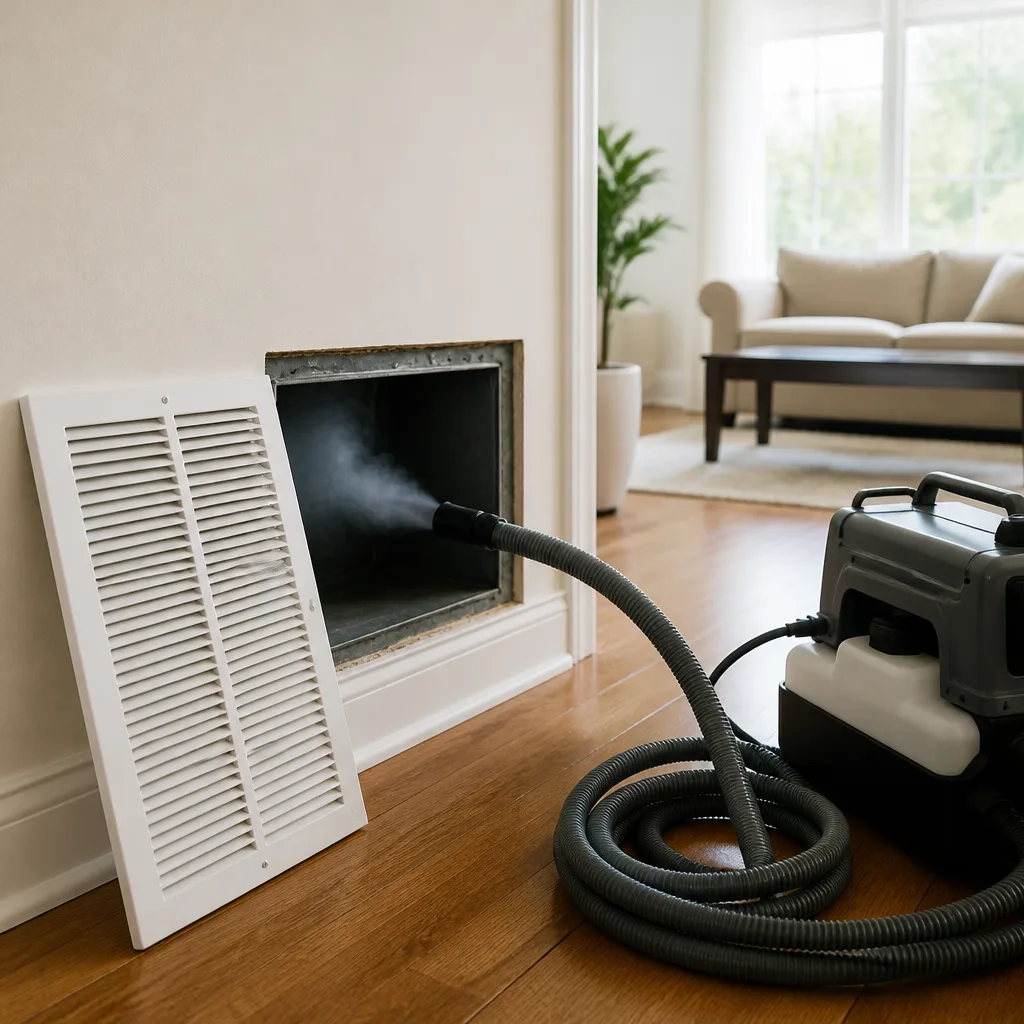 Sanitizing & deodorizing
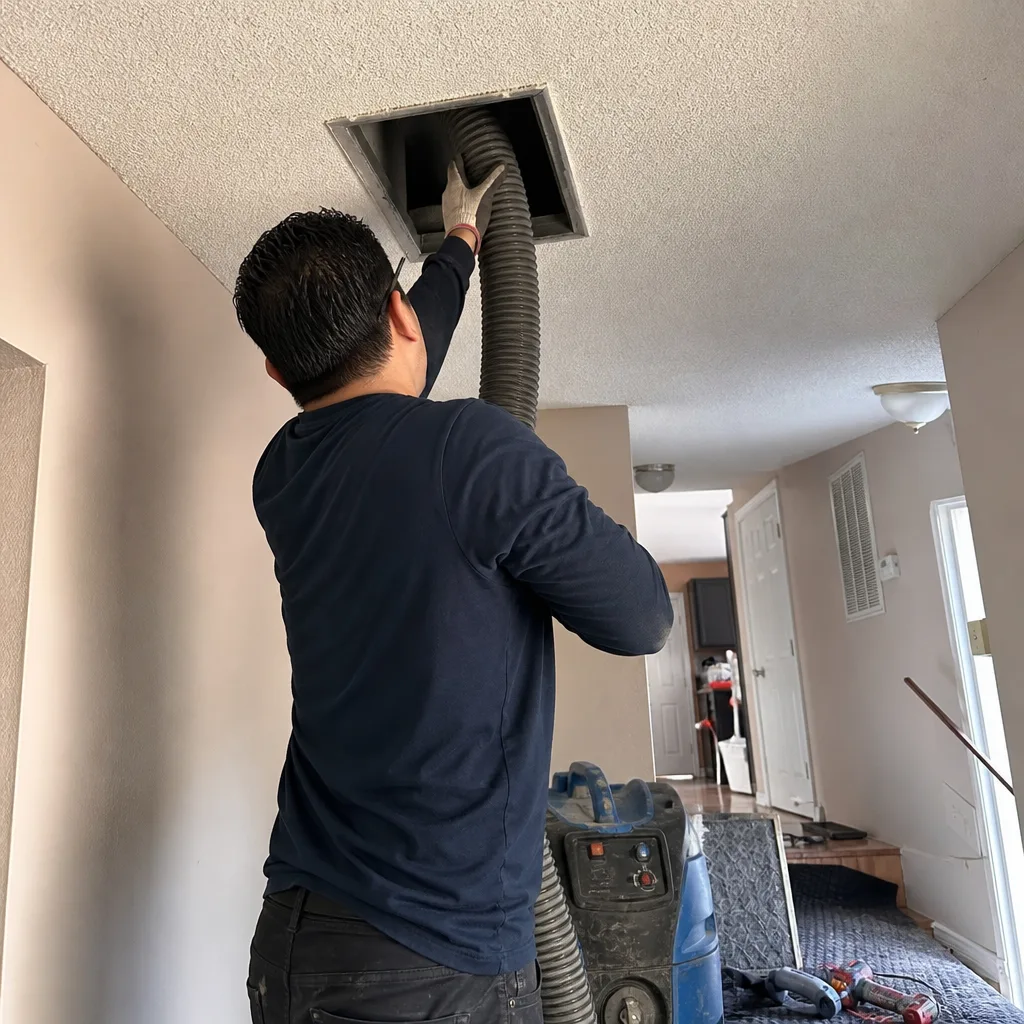
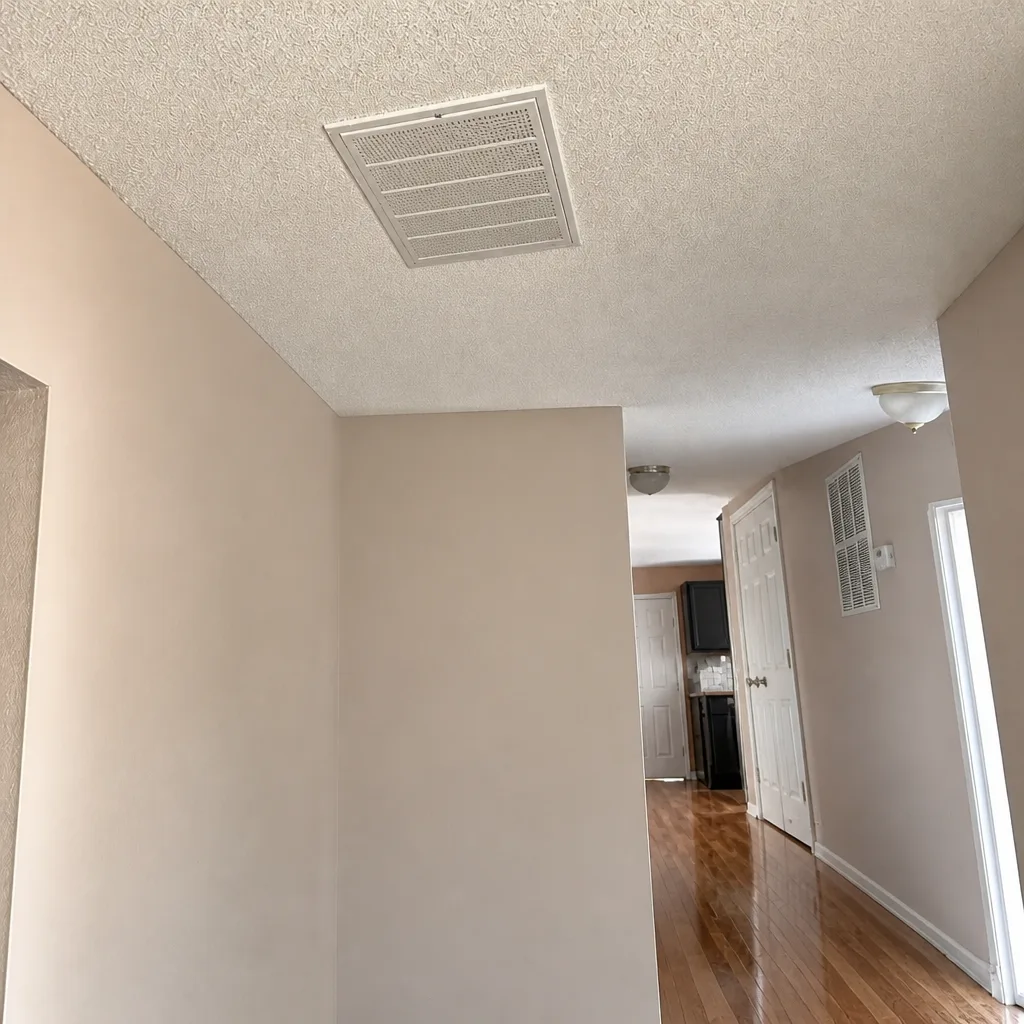
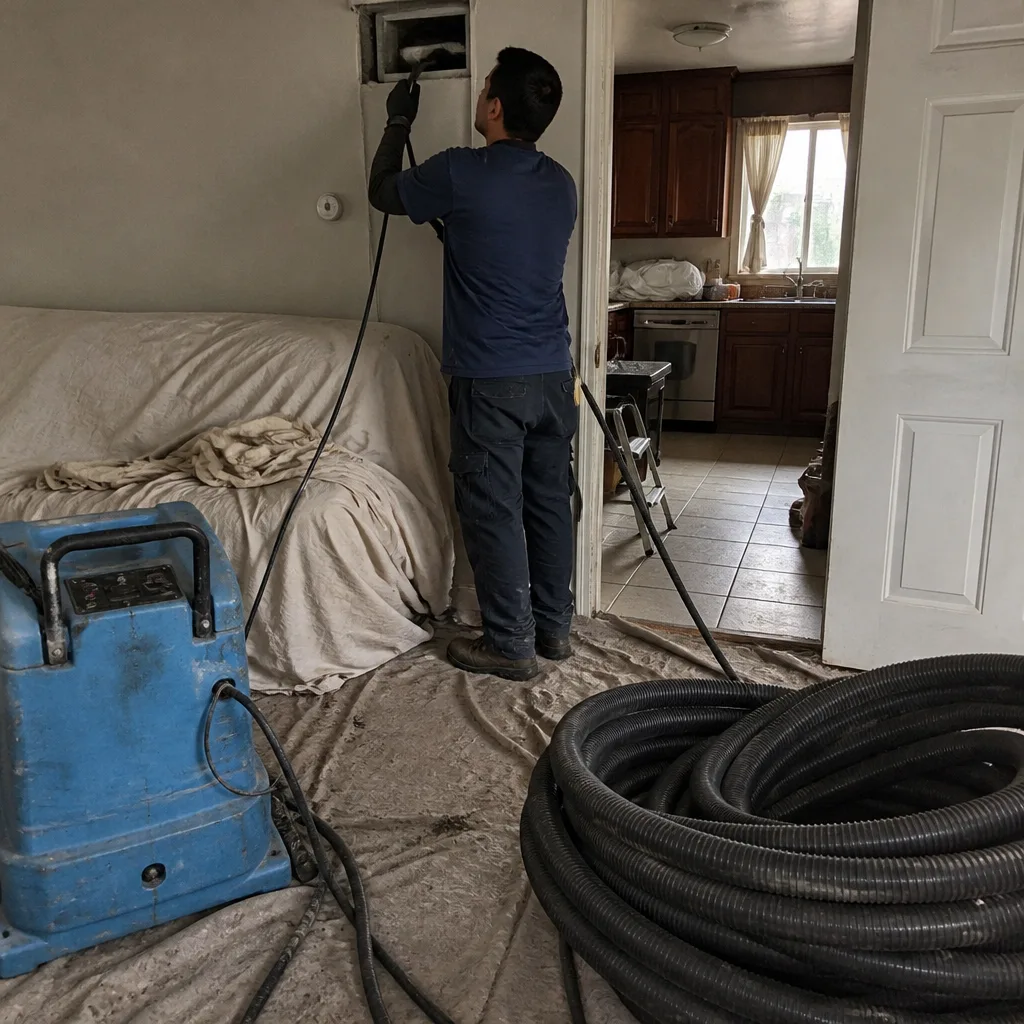
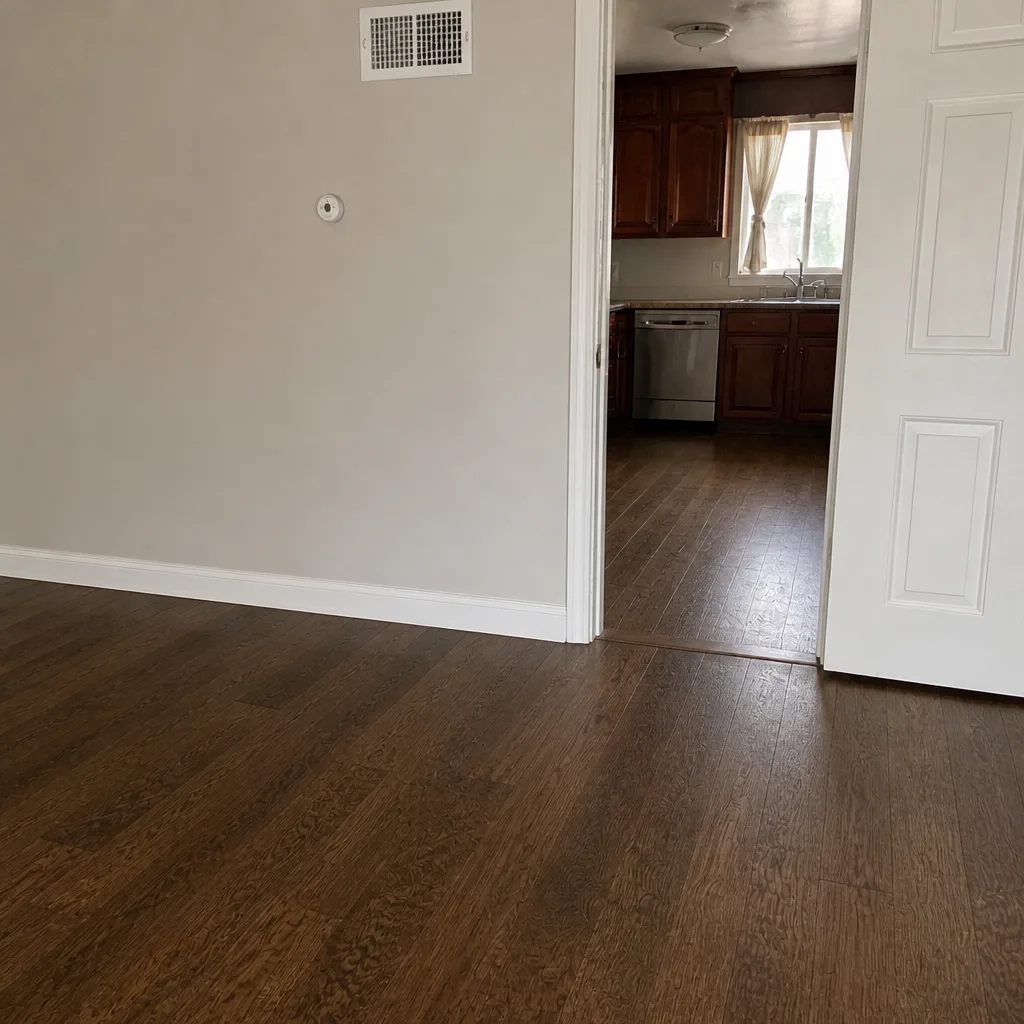
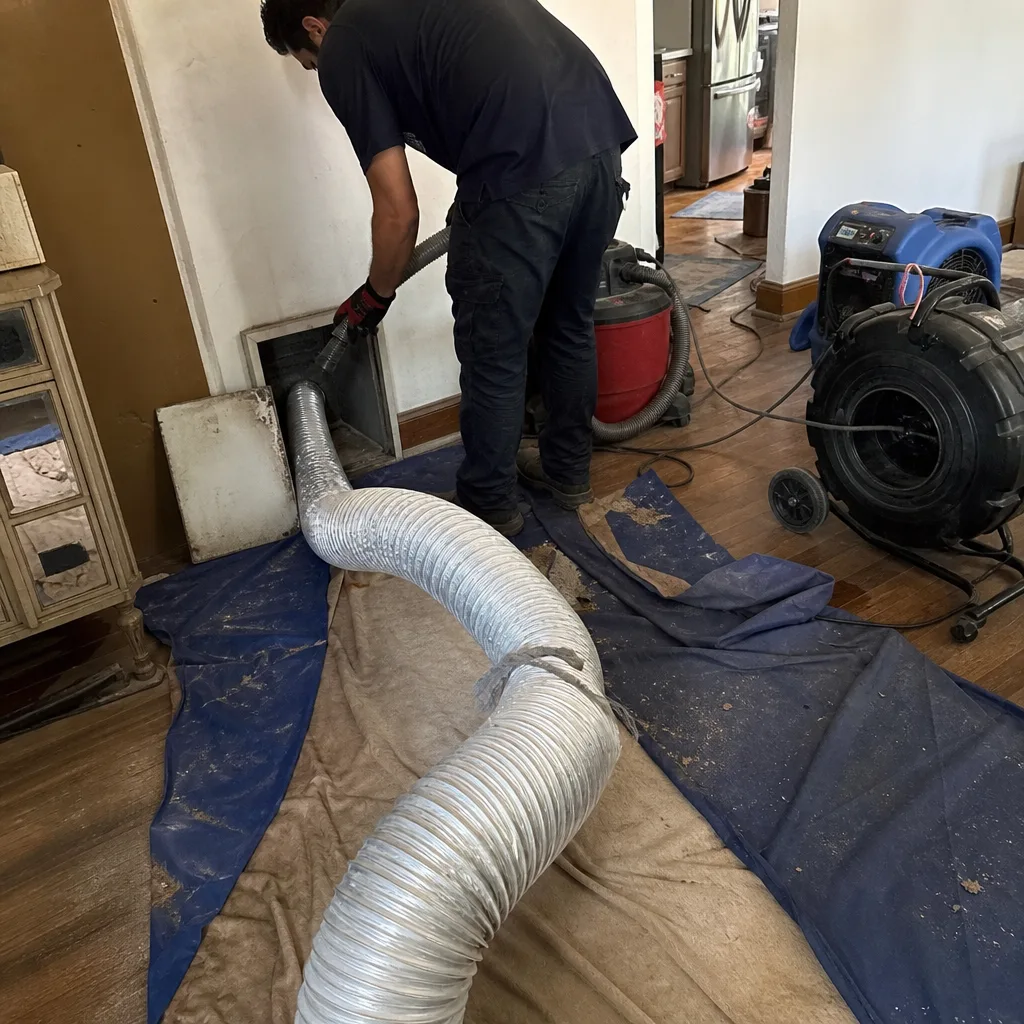
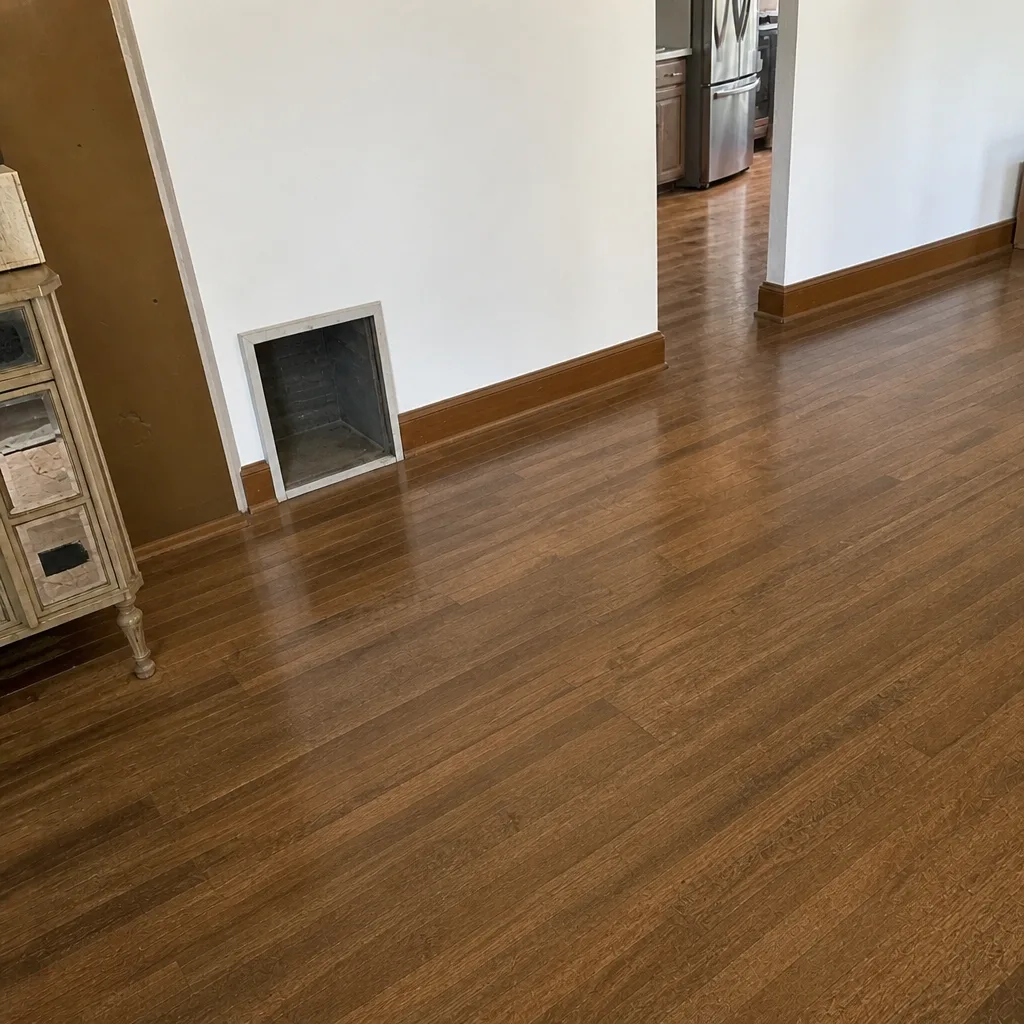
Whole-system duct and dryer vent check with before-and-after photos - you see exactly what came out of your vents
That "$99 whole-house special" is a bait ad - the real number appears once they are in your hallway, or the "clean" is a shop-vac at the register. We photograph the inside of your ducts before and after instead.
Air Duct Cleaning Maintenance Checklist for North Hollywood Homeowners
Most maintenance checklists for air ducts read like they were written for a house in Ohio. They assume the main enemy is furnace soot and winter recirculation. North Hollywood has a different problem entirely. Our air quality events are seasonal and specific: wildfire smoke that drifts over the 101 corridor, construction dust from a constant cycle of reno permits and teardown rebuilds, and the fine particulate that settles into Valley air during stagnant weather patterns. A real checklist for North Hollywood has to be built around those events, not a generic “change your filter every 90 days” handout. This guide lays out what to check, when to check it, and what to log so a contractor isn’t starting blind when you finally do call.
Quick Answer
The most useful air duct cleaning maintenance checklist for North Hollywood homeowners is event-driven, not calendar-driven. Inspect registers monthly for dust accumulation, swap filters based on MERV rating and Valley dust load (often more frequently than the package says), log any visible particulate after wildfire smoke events or nearby construction, and schedule a professional Rotobrush cleaning when airflow drops or dust returns within days of cleaning surfaces. We answer 24/7 at (833) 589-9715 if you want to talk through what you’re seeing.
Styles & brands we work with
- Whole-home duct cleaning
- Dryer vent cleaning
- Camera inspection
- Sanitizing & deodorizing
Table of Contents
- Why North Hollywood Air Quality Changes the Checklist
- Month-by-Month Maintenance Calendar for Valley Homes
- Filter MERV Ratings: What the Valley Dust Load Actually Requires
- Visual Inspection Checkpoints Between Professional Cleanings
- How to Log Duct Condition Over Time
- Post-Wildfire Smoke Event Protocol
- Common Mistakes to Avoid
- When to Call a Professional
Why North Hollywood Air Quality Changes the Checklist
A maintenance schedule for ducts should track what’s actually entering the system. In North Hollywood, that’s a rotating cast of contaminants. During late summer and fall, wildfire smoke from regional fires pushes fine particulate matter across the San Fernando Valley. SCAQMD monitoring in the North Hollywood area tracks PM2.5 exceedances more often than most residents realize, and those particles don’t stay outside. They enter through fresh-air intakes, window gaps, and the natural negative pressure most homes run under when the HVAC is operating. The ducts become a deposition zone.
Then there’s construction dust. Every teardown and ADU permit in the Valley releases drywall dust, concrete fines, and landscaping debris into the air. If a neighbor two streets over is doing a foundation pour, your return registers are pulling some of that. It settles in the duct interior, and once it’s there, normal filter replacement alone won’t remove it. The checklist we recommend accounts for annual Santa Ana wind events too. Those gusts stir up dust that’s been sitting on rooftops, patios, and yards, and much of it gets drawn into the system.
Humidity also plays a role. North Hollywood gets marine layer mornings in late spring and early summer, what locals call June gloom. That elevated morning humidity means any organic material already inside the ducts, pet dander, pollen, the occasional insect, holds moisture longer. That’s when you’ll notice a faint musty odor at register openings, even if there’s no mold issue. The checklist is about catching these environmental inputs before they become a visible or respiratory problem.
What You’ll Actually See in North Hollywood Ducts
- Fine gray-white powder: typical of drywall dust from nearby remodels or new construction
- Dark particulate film: common after wildfire smoke seasons, even in homes with windows kept closed
- Pet hair and dander layered with house dust: accelerates quickly in the Valley’s warm months when pets shed
- Fine sand-like grit: consistent with Santa Ana wind events and exposed soil in the area
- Pollen and plant material: peaks in spring but persists year-round given the Valley’s growing season
None of these conditions require panic. But they do mean a one-size-fits-all maintenance routine, written for another climate, will under-serve the home. The rest of this guide lays out what actually works here.
Month-by-Month Maintenance Calendar for Valley Homes
This calendar assumes the home has central HVAC with standard flex or rigid ductwork, the most common setup in North Hollywood. Adjust based on what you observe in your own system, but keep the seasonal triggers in mind. The goal isn’t busywork; it’s matching effort to actual contamination events.
January to March: Post-Holiday Recovery and Winter Dust
- Inspect all visible registers and grilles. Remove decorative covers where possible and check for dust accumulation on the inside edge of the register boot.
- Check the air filter. If you hosted guests over the holidays, the system moved more air than usual. A filter that looks gray or clogged in January probably should have been swapped sooner.
- Listen for whistling or airflow noise that wasn’t there before. Restricted airflow from a dirty coil or filter often shows up as a faint whistle at return vents.
- Look behind the return grille. This is the single most informative spot in the home for early detection. Dust or debris collecting on the grille itself means the system is pulling particles in.
Winter in North Hollywood is mild, but it’s also when people run the heat more steadily. That’s a drier heat, which can cause dust inside the ducts to break loose and circulate. January is a common time for homeowners to notice that “dusty smell” when the furnace kicks on for the first extended run of the season.
April to May: Pollen and the Start of Stagnant Air
- Step up filter checks to every two weeks during peak pollen. Trees and grasses in the Valley release heavily in April, and that material gets pulled into return ducts quickly.
- Check outdoor condenser unit clearances. Overgrown vegetation or accumulated debris near the outdoor unit can reduce system efficiency and draw more airborne material inward.
- Inspect vent dampers in bathrooms and kitchen. If they’re not closing properly, pollen and dust back-draft into the duct system when the fan is off.
- Note any family members reporting new or worse allergy symptoms. That’s often the earliest signal that the duct interior is holding more than it should.
June to August: June Gloom Humidity, Then Heat
- During morning marine layer weeks, check registers for any visible moisture or condensation. Ducts in unconditioned attics can accumulate condensation on the exterior, which then holds dust.
- Check the air handler cabinet if accessible. Look for dust streaks or dark spots on the blower housing. That indicates the filter may not be sealing correctly, allowing bypass air to carry dust directly onto the coil and blower.
- Confirm all supply registers are open and unblocked. Closed registers in unused rooms create pressure imbalances that pull more air from unconditioned spaces, including dusty attics.
- Listen for the blower running constantly or cycling more often than expected. That’s a sign the system is fighting restricted airflow, often from a dirty evaporator coil.
Summer is the season when North Hollywood systems work hardest. The AC runs for hours each day, and that sustained airflow moves more particulate. If the ducts were dirty before June, you’ll see it in faster dust accumulation on furniture and floors from now through September.
September to October: Wildfire Smoke Season
- Check outdoor air quality reports daily during any active fire event. When PM2.5 readings are elevated, close fresh-air intakes and run the system fan intermittently to filter interior air.
- Inspect the filter weekly during smoke events. Wildfire smoke clogs filters faster than any other contaminant in the Valley.
- After the smoke clears, remove the filter and inspect the duct interior at the closest return register with a flashlight. Look for gray or brown film that wasn’t there before.
- If smoke odor lingers in the home when the system is off, that’s a sign particulate has deposited inside the duct lining and may require professional cleaning.
This is the season when a documented baseline matters most. If you know what your ducts looked like in August, you can identify exactly what the smoke event left behind in October. If you start checking only after the smoke, you’re guessing.
November to December: Santa Ana Winds and Holiday Prep
- After the first strong Santa Ana event, check all exterior vent terminations and the outdoor unit for wind-blown debris.
- Inspect return registers for fine grit that wasn’t there before the winds. Santa Ana winds transport fine dust from exposed areas across the Valley floor.
- Replace the filter after the Santa Ana season settles, even if it doesn’t look exhausted. The fine dust load during wind events degrades filter media in ways that visible inspection doesn’t always show.
- When guests are coming for the holidays, consider a professional inspection if you haven’t had one in the past two to three years. A clean system runs quieter and moves more air.
Filter MERV Ratings: What the Valley Dust Load Actually Requires
Manufacturer recommendations for filter replacement are usually based on ideal conditions in a relatively clean environment. North Hollywood is not that environment. Construction dust, wildfire smoke, and Santa Ana wind grit all load filters faster than a typical suburban setting. The MERV rating also changes the math. A higher MERV filter captures more, but it also loads faster and creates more airflow resistance.
For most North Hollywood homes, a MERV 8 filter is the minimum we recommend. It captures dust mites, pollen, and larger debris, which handles baseline conditions. But during wildfire smoke season, a MERV 11 filter is a better choice. That rating begins to capture fine combustion particles. The tradeoff is that a MERV 11 filter in a system designed for MERV 8 can reduce airflow enough to strain the blower if it isn’t changed frequently.
Honeywell makes reliable filters across the MERV spectrum, and we’ve installed and serviced enough Honeywell filtration to know how the media behaves under Valley conditions. The important point is not to blindly install the highest MERV rating you can find. A MERV 13 filter in a residential system with marginal duct size can choke the system, increase energy use, and shorten blower life. Unless the home has a variable-speed blower and the filter box is sized for it, MERV 11 is usually the practical upper limit.
Filter Replacement Frequency: Reality vs. Package
- Standard 1-inch MERV 8: Package says 90 days; Valley reality is 45 to 60 days during spring and summer.
- Standard 1-inch MERV 11: Package says 90 days; during wildfire smoke events, you may need to replace it weekly.
- 4-inch media filter MERV 8: Package says 6 to 12 months; in North Hollywood, check monthly and expect 4 to 6 months from many systems.
- 4-inch media filter MERV 11: Package says 6 to 12 months; expect 3 to 5 months in high-dust seasons, less during smoke events.
The filter is your first line of defense, but it’s also a diagnostic tool. When it loads faster than expected, that’s data. It tells you what the system is pulling in from the surrounding environment. Keep a note of when you change filters and what they look like when they come out. That’s part of the log we cover below.
Visual Inspection Checkpoints Between Professional Cleanings
You don’t need any special tools to gather useful information about duct condition. A flashlight, a smartphone camera, and about ten minutes per month will give you and any contractor you eventually call a clear picture of what’s happening inside the system.
Step 1: Check the Return Grille
- Remove the return grille cover. Most are held by two screws or spring clips.
- Shine a flashlight into the return boot, the metal or flex connection leading back to the main return trunk.
- Look for dust accumulation on the boot walls. A light gray film is normal. Heavy accumulation or visible debris means the filter isn’t keeping up.
- Take a photo with your phone. Log the date. This is your baseline.
Step 2: Check Supply Registers
- Check supply registers in each room. Dust streaking on the ceiling or wall around the register, the smudging pattern, is a sign that conditioned air is carrying particulate and depositing it at the point of exit.
- Remove a supply register and check the interior of the boot. The side of the boot facing away from the room is often where dust accumulates first.
- Look for dust inside the register louvers themselves. That means particles are adhering, which is a signal the duct interior likely has more.
Step 3: Check the Air Handler Cabinet
- Locate the air handler or furnace cabinet. In many North Hollywood homes, this is in a hallway closet, garage, or attic.
- Open the access panel if you’re comfortable doing so. If the panel has safety switches or you’re unsure, skip this step and ask a professional.
- Look at the blower housing. Dust accumulation on the blower wheel means the filter hasn’t been doing its job, and that dust has been cycling through the system.
- Check the evaporator coil if visible. A gray or dark coating on the coil means the system is circulating dirty air.
Step 4: Check the Filter Box Itself
- When you remove the old filter, check the filter slot. Dust trails around the edges show air bypassing the filter.
- Check whether the filter fits snugly. A filter that’s even slightly undersized allows unfiltered air to slip past and deposit directly on the coil and blower.
These inspections are not a substitute for professional cleaning. They’re a way to track what’s happening between cleanings so that when we arrive with Rotobrush equipment, we have a before-picture to compare against. That comparison is the consistency you’re paying for.
How to Log Duct Condition Over Time
A duct maintenance log sounds like paperwork, but it’s really just a consistent habit of taking the same photos at the same locations on a schedule. After a year, you have a timeline of exactly how the system responds to the Valley’s seasonal events. That’s far more useful to a contractor than a verbal description of “it seems dustier than usual.”
We recommend logging three things every time you inspect:
- Date and weather/air-quality context: Was there an active wildfire? A Santa Ana event? Nearby construction? June gloom humidity?
- A photo of the filter before removal: This shows loading rate. Compare the current filter to the last one from the same season.
- A photo of the return boot and supply register interior: Same angle, same location each time. The repeatability is what matters.
Use your phone. Create a shared album if multiple people in the household handle maintenance. The goal is a baseline. When a contractor comes in, they should be able to see what the ducts looked like in March, what the filter looked like in August, and what happened after an October smoke event. That’s information gain in action.
The same principle applies to professional cleanings. If you’ve had the ducts cleaned, ask for before and after photos, specifically of the duct interior, not just the register. We show clients exactly what the system looked like when Guardsman inspection tools first went in, and what it looks like after the Rotobrush contact cleaning is complete. You can compare that against your own log and know exactly when the next meaningful buildup begins.
Post-Wildfire Smoke Event Protocol
Wildfire smoke is the single most aggressive contaminant North Hollywood ducts face. The fine particulate in smoke, much of it sub-micron, penetrates deeper into duct lining and insulation than household dust. It’s also electrostatic, meaning it adheres to duct walls rather than simply resting there. Once it’s deposited, normal system operation won’t push it all out.
After a significant smoke event in the Valley, follow these steps:
- Change the filter immediately. Even if you changed it a week earlier. Smoke is filter-destroying.
- Wipe down all accessible register covers and the surrounding ceiling or wall area. This removes what the airflow deposited on surfaces.
- Inspect the return boot with a flashlight within the first week after the smoke clears. Compare it to your last baseline photo. A gray or tan film that wasn’t there before is smoke deposition.
- Run the system fan continuously for 24 to 48 hours with a new filter to pull remaining airborne particles out of the living space.
- Do not assume the smoke is gone because the air smells clean. Smoke particles can remain in ducts and release odor over weeks as temperature and humidity change.
If you see a visible film inside the return boot after a smoke event, or if the odor returns when the system cycles on, a professional cleaning is the next step. This isn’t something a stronger filter will fix. The particulate is already deposited inside the duct system, past the filter’s reach. Onyx Duct Cleaning uses Nikro HEPA filtration during cleaning, which captures particles down to 0.3 microns, the same equipment standard used in restoration and abatement work. That’s specifically relevant after smoke events, when the goal is removal, not redistribution.
Homes near the 101 or the 170 corridors also pick up brake dust and tire particulate year-round, but the load spikes after any period of heavy traffic combined with stagnant air. That’s a slower accumulation than wildfire smoke, but it compounds over years.
Common Mistakes to Avoid
- Relying on the filter’s printed replacement interval. The package isn’t wrong about clean environments. North Hollywood isn’t one. Check monthly during spring, summer, and smoke season, and expect to replace filters more often than the manufacturer’s ideal-case number.
- Upgrading to the highest MERV filter without checking system compatibility. A MERV 13 filter can choke airflow in many residential systems, raising energy costs and stressing the blower. MERV 8 to MERV 11 is the practical range for most North Hollywood homes.
- Using a shop vac or consumer-grade equipment to clean ducts. You can’t reach more than a foot or two beyond the register. Worse, agitation without proper negative air containment just stirs particulate into the living space. Professional cleaning is not a bigger version of DIY cleaning. It’s a different process.
- Closing registers in unused rooms to save energy. This raises static pressure in the system, pulling more air from unconditioned spaces and potentially drawing dust from attics and wall cavities into the ductwork.
- Ignoring dust accumulation at the return grille. That’s the earliest visible indicator of a system that isn’t filtering properly. Waiting until you see dust clouds from supply registers means the problem has been building for months.
- Assuming a new HVAC system means clean ducts. Replacement often disturbs years of accumulated dust in the duct interior and can introduce construction debris. A new system connected to dirty ducts is a clean engine on a dirty fuel line.
- Treating duct cleaning as a fixed-interval service regardless of events. A home near continuous construction activity has different needs than one on a quiet cul-de-sac. Event-driven inspection beats arbitrary scheduling every time.
When to Call a Professional
Call when the system is telling you something you can’t fix from the register. Visible dust accumulation inside the return boot, a dusty or musty smell when the system cycles on, airflow that’s noticeably weaker than it used to be, or dust that returns within days of wiping down surfaces all indicate the duct interior needs more than a filter change. After a wildfire smoke event, if the odor persists or you see film inside the return, that’s a professional-level problem. Onyx Duct Cleaning offers free estimates in North Hollywood, and we bring Rotobrush contact cleaning plus Nikro HEPA containment to every job. Call (833) 589-9715. We answer 24/7. Fast dispatch from 7am to 7pm, Sunday through Friday.
See the difference
 Before
 After
 Before
 After
 Before
 After
Frequently Asked Questions
Most homes in North Hollywood benefit from a professional air duct cleaning every three to five years, but that interval shortens significantly if the home has been through wildfire smoke events, nearby construction, or major renovations. Homes near active teardown or ADU construction, common across the Valley, may need cleaning every two to three years. Your own inspection log is the best guide. If you’re seeing heavy dust accumulation at registers within weeks of cleaning surfaces, or if the return boot shows visible buildup, the interval for your home is shorter. Call (833) 589-9715 for an honest assessment of your timeline.
No. A filter protects the equipment, but it only captures what passes through it. Any particulate that entered the system during periods when the filter was loaded, or through gaps around the filter, is already deposited inside the ducts and will stay there until it’s mechanically removed. A filter change prevents new material from entering. It does not remove what’s already accumulated on the duct walls, boots, and air handler interior.
We operate Rotobrush contact-cleaning systems, not consumer-grade brushes, paired with Nikro HEPA vacuum equipment that captures particles down to 0.3 microns. The combination means debris is dislodged at the duct wall and contained at the point of extraction, not dispersed into the living space. We also inspect for duct damage as we work. If we find a break, a disconnected joint, or a compromised section, we can discuss Onyx Duct Cleaning air duct repair rather than just cleaning past the problem.
Low-bid duct cleaning typically uses a small vacuum and a rotating brush with no true containment. The equipment can’t reach deep into the system, and the process can actually release more particulate into the home than it removes. It’s a different service operating under the same name. The price difference reflects equipment, training, and time on site. We price per job by a written estimate, not per vent, and the estimate is free.
You can clean the register covers and vacuum the first visible inches of the boot, and you should. But the interior of a residential duct system runs dozens of feet through walls, floors, and attics. No consumer vacuum has the reach, agitation power, or filtration capacity to clean that interior. You also can’t safely access it without cutting access points. We clean what’s in your ducts, and we show you the before and after so you know exactly what was removed.
Ask for before and after photos of the duct interior, not just the registers. If a company refuses or can’t provide them, that’s a signal. We photograph every accessible return boot and supply boot during the process and provide the images as part of the job. You’ll see the interior surface before contact cleaning, and you’ll see it after. Your own inspection log also serves as a baseline. If the system was dirty before and the registers aren’t clean after, the work wasn’t done.
Yes, and it’s the most frequently overlooked ventilation risk in North Hollywood homes. The dryer vent is a separate pathway that accumulates lint at a rate far beyond household dust. A restricted dryer vent means longer dry cycles, higher energy cost, and a known fire risk. We recommend scheduling dryer vent cleaning at least once a year, more often for households that run laundry daily. It’s not part of the duct system, but it’s part of the same ventilation picture.
The Bottom Line
Your ducts are a record of what the Valley’s air has been doing to your home. In North Hollywood, that’s wildfire smoke in the fall, construction dust all year, and Santa Ana grit in the winter. A maintenance checklist built around those events catches problems early, documents the system’s condition over time, and keeps you honest about when professional cleaning is genuinely needed. Check the return boot monthly, log what you see, match filter changes to actual conditions, and call a professional when the interior shows accumulation you can’t reach. We’re here for that call at (833) 589-9715.
Written by the team at Onyx Duct Cleaning, serving North Hollywood since 2013.