
Last updated November 4, 2026
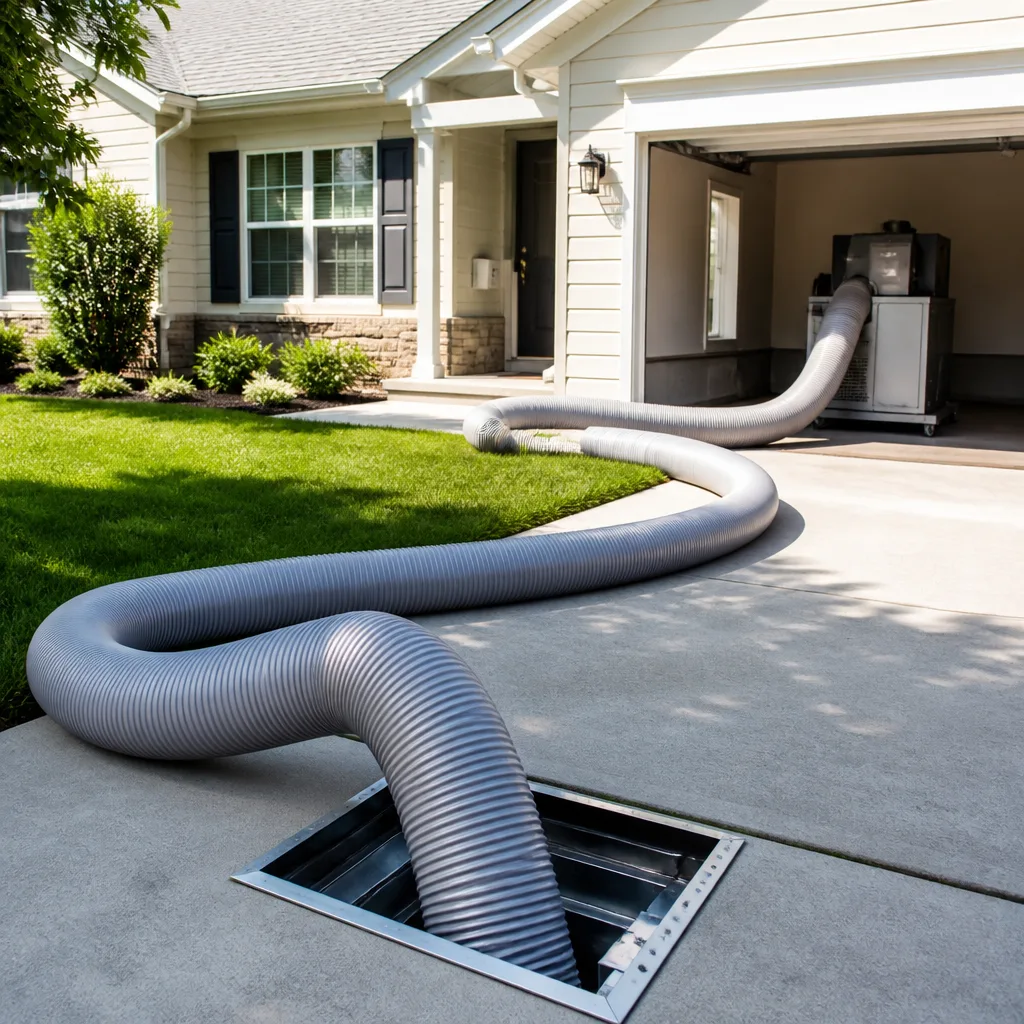 Whole-home duct cleaning
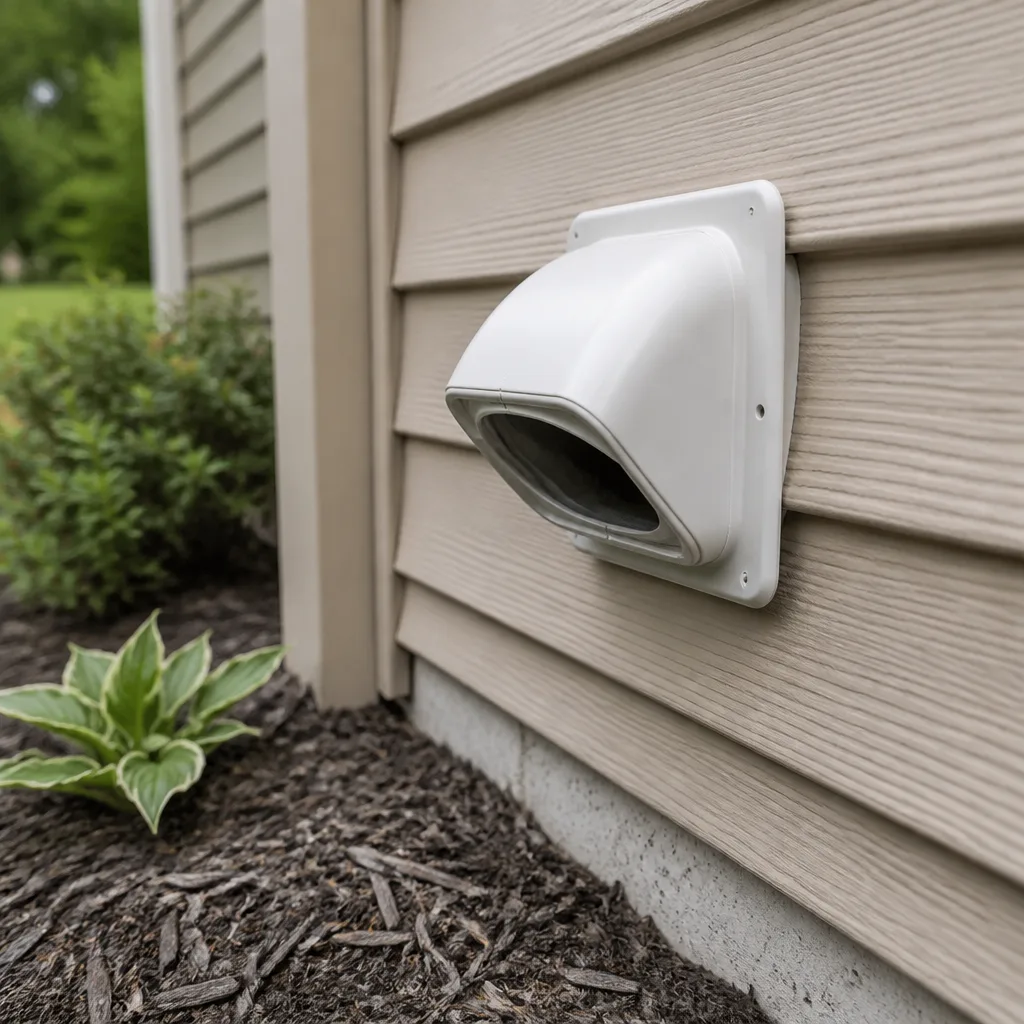 Dryer vent cleaning
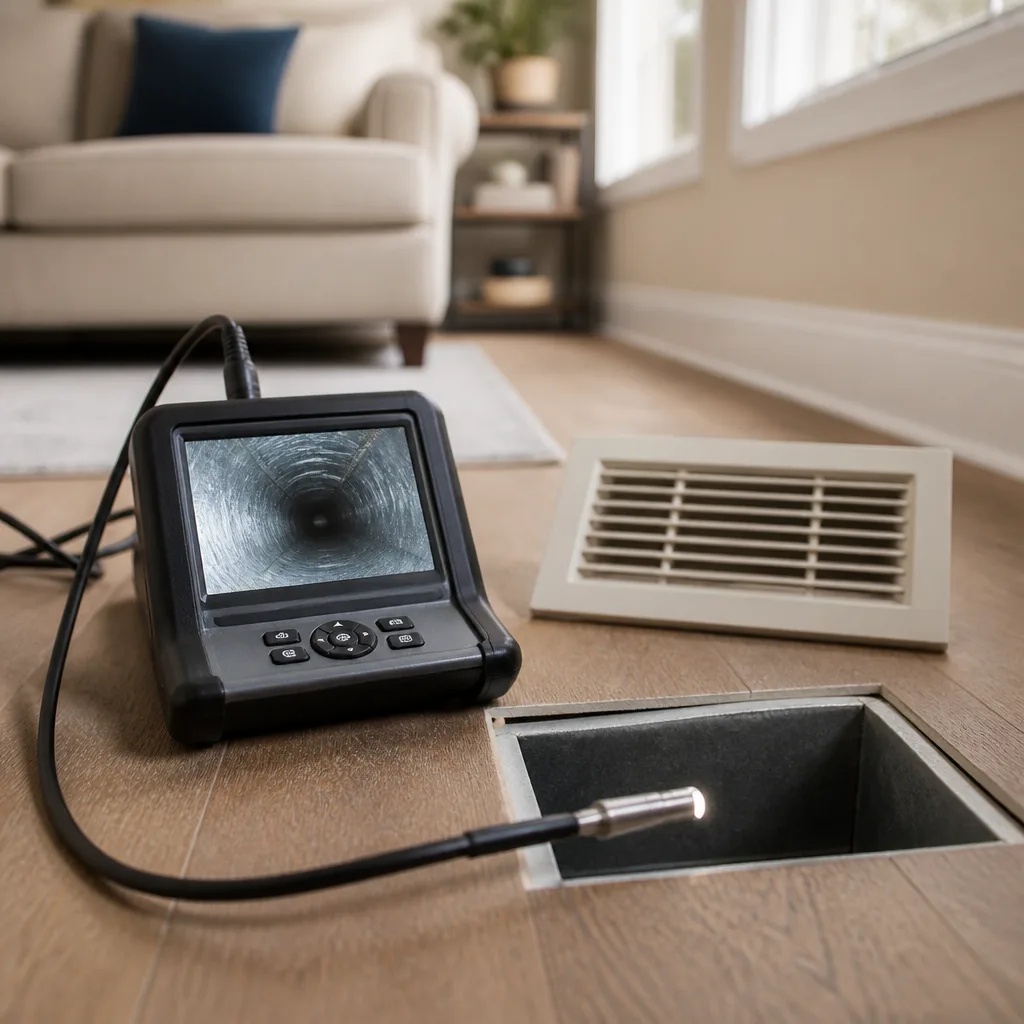 Camera inspection
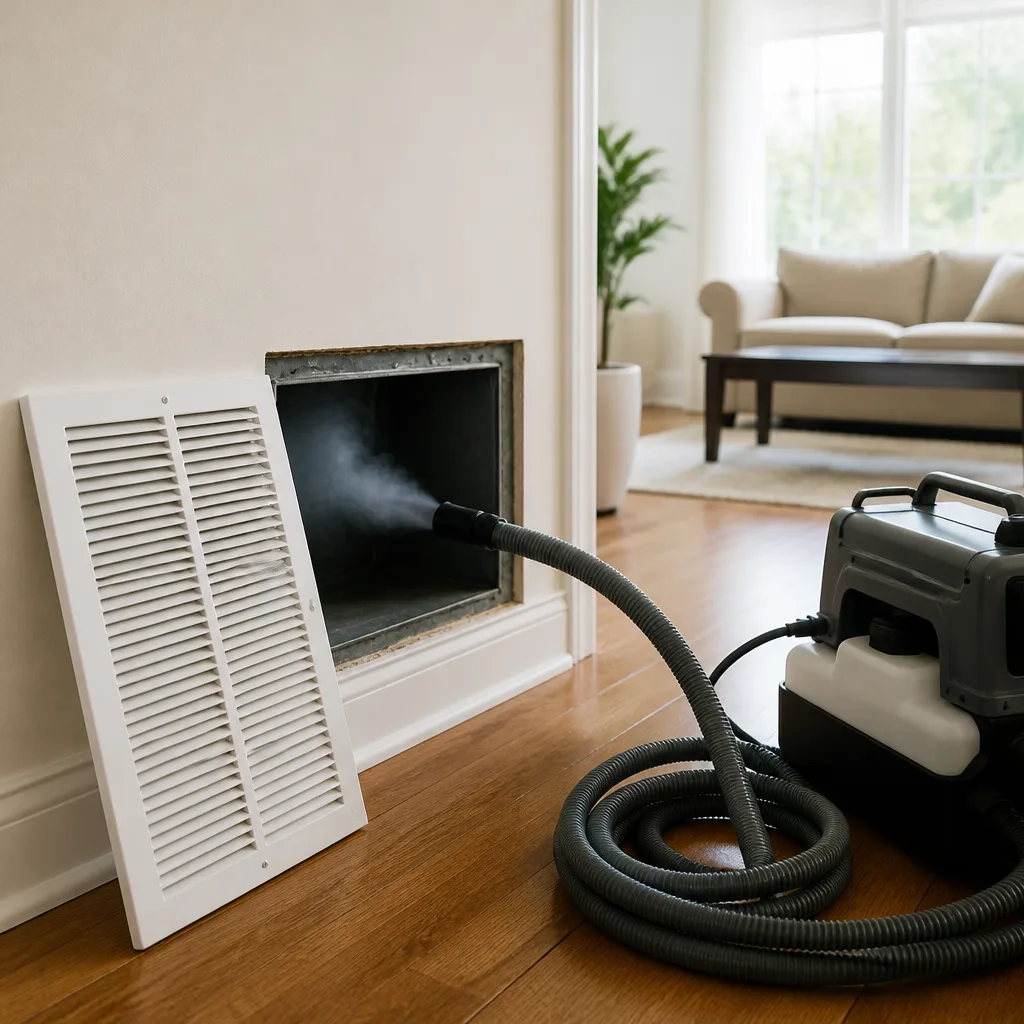 Sanitizing & deodorizing
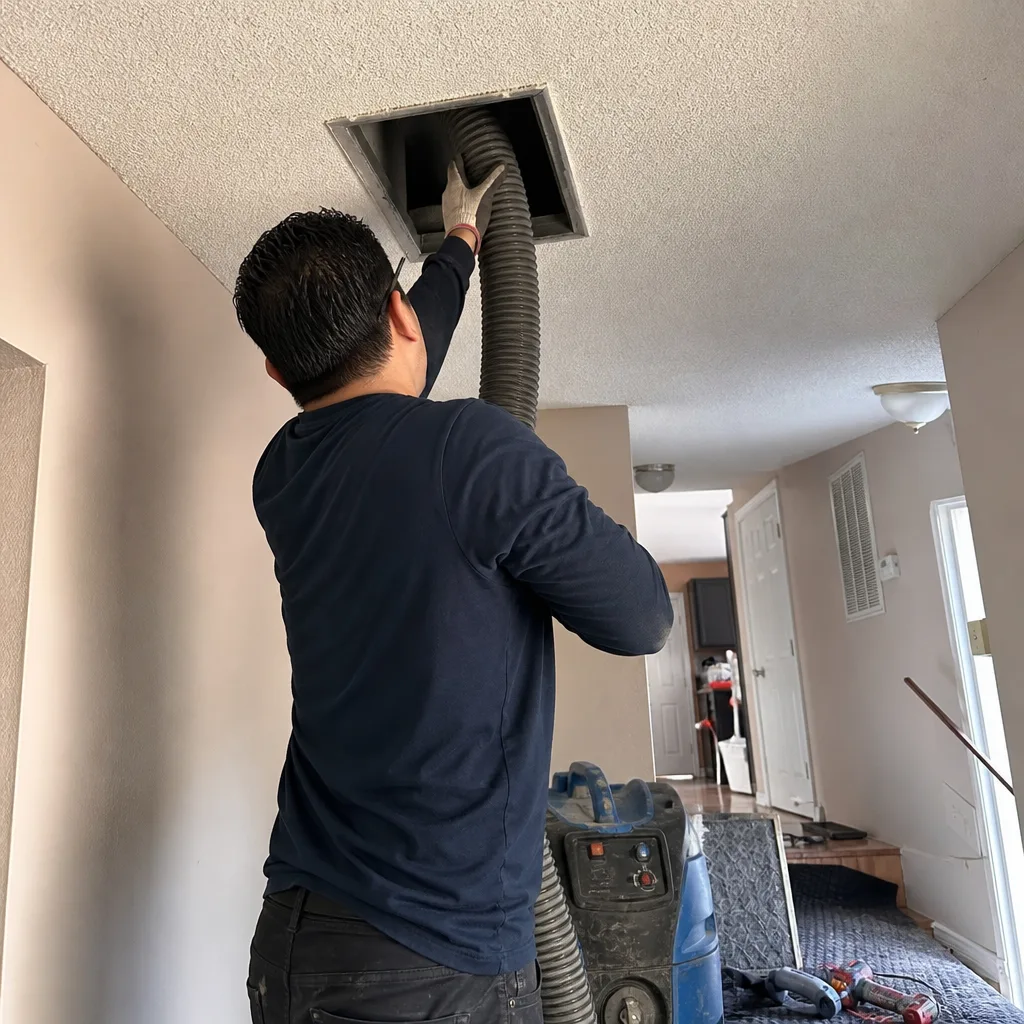
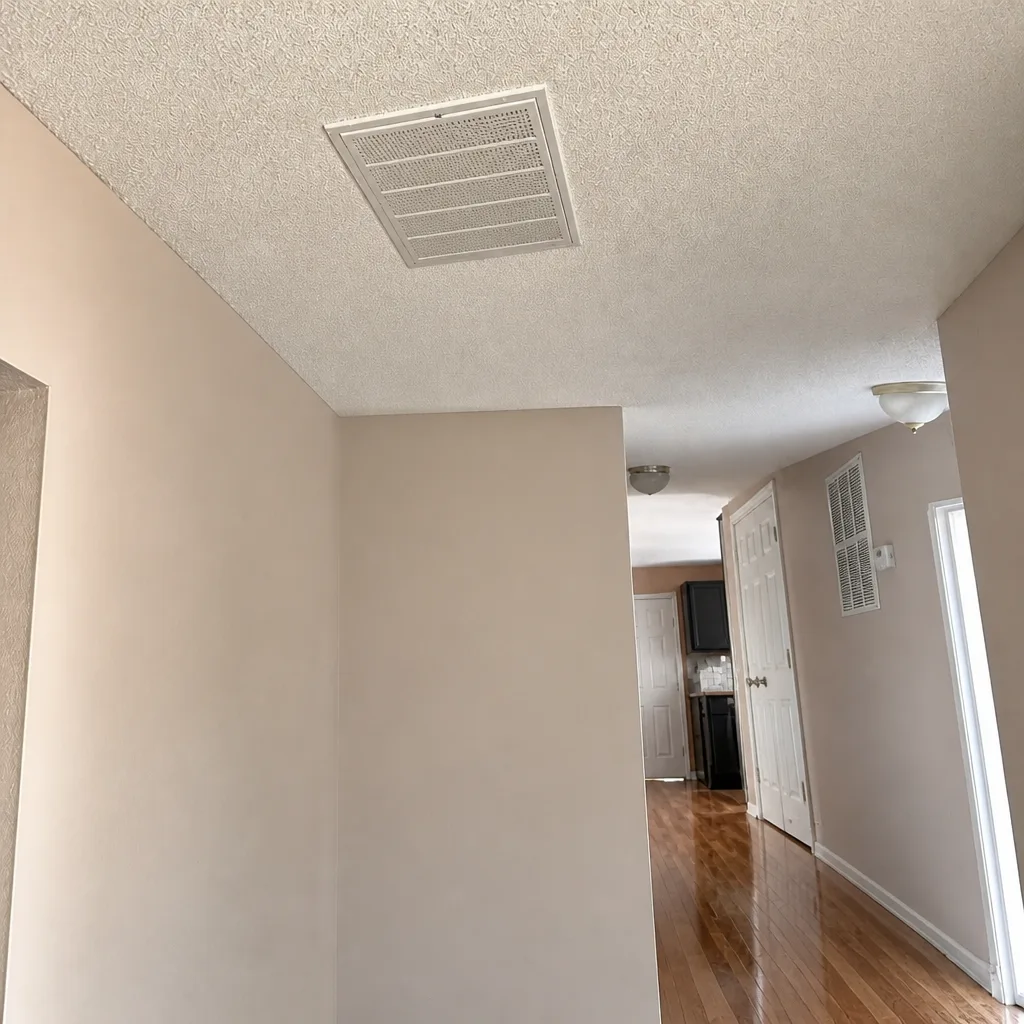
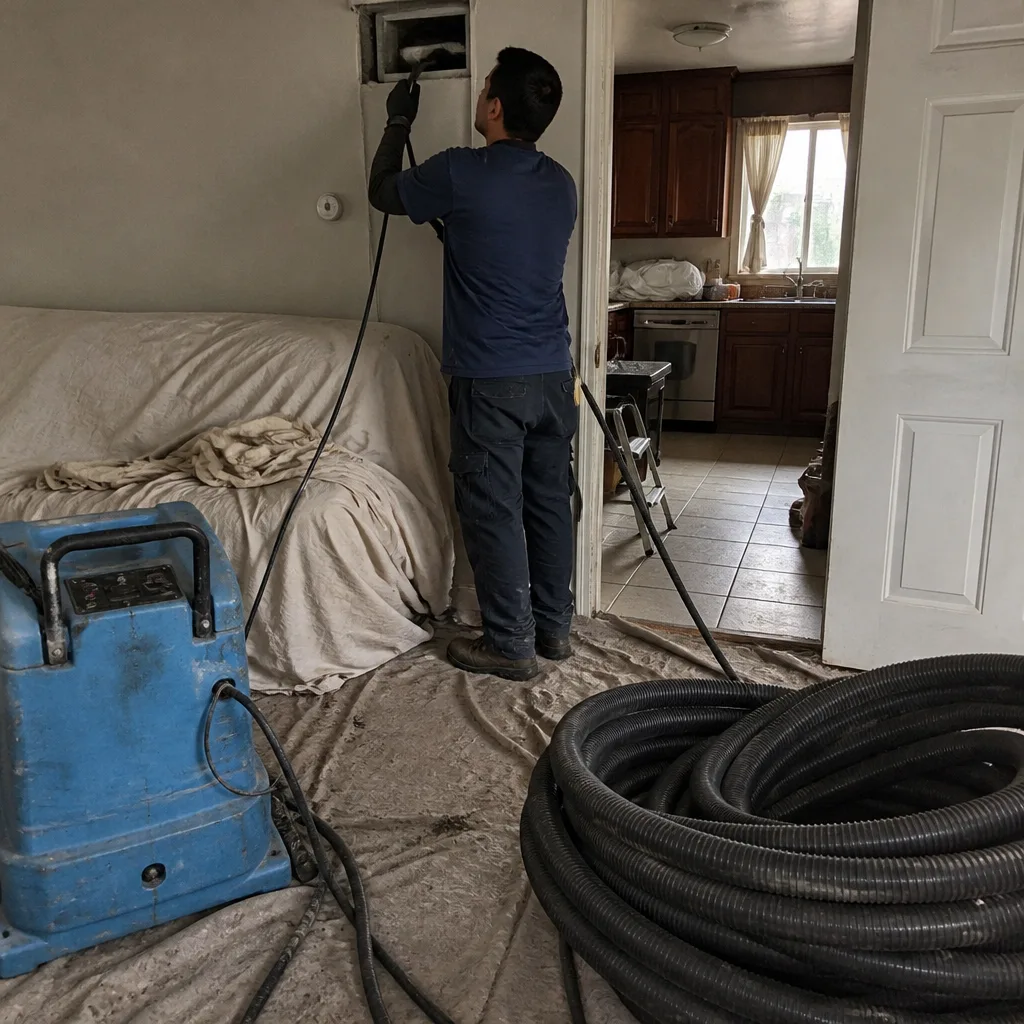
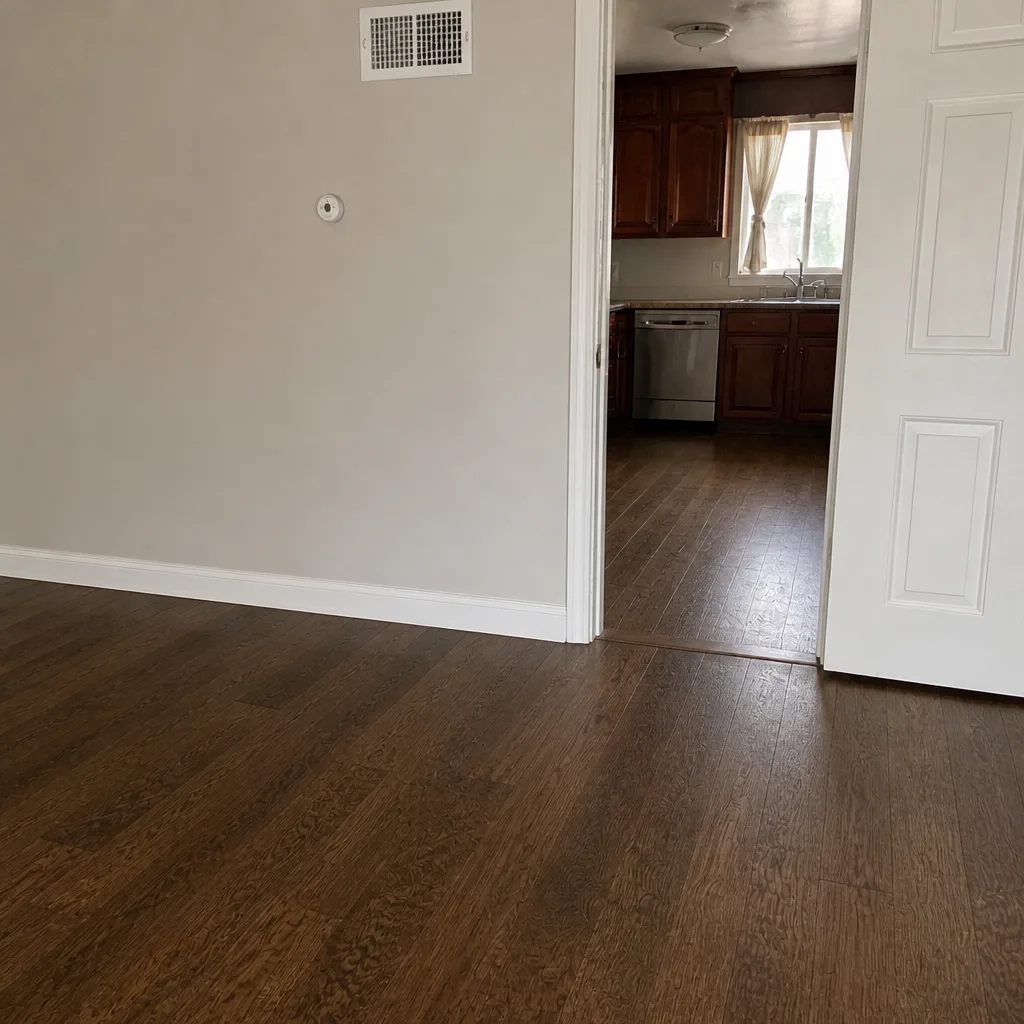
Whole-system duct and dryer vent check with before-and-after photos - you see exactly what came out of your vents
That "$99 whole-house special" is a bait ad - the real number appears once they are in your hallway, or the "clean" is a shop-vac at the register. We photograph the inside of your ducts before and after instead.
Air Duct Cleaning Maintenance Schedule: What to Do and When
Most maintenance guides hand you a one-size-fits-all number: clean every three to five years. That rule assumes your home breathes the same air, accumulates dust at the same rate, and ages on the same clock as every other house in the country. It doesn’t. A stucco home in North Hollywood built in 1987 with flex duct and a resident who lives with asthma has a completely different contamination rate than a 2004 tract home with rigid metal ducting and no respiratory issues two streets away. The schedule that actually works is built around load factors. This guide shows you how to calculate yours, what to do between professional cleanings, and which triggers reset the clock regardless of what the calendar says.
Styles & brands we work with
- Whole-home duct cleaning
- Dryer vent cleaning
- Camera inspection
- Sanitizing & deodorizing
Quick Answer
Most homes in North Hollywood need professional air duct cleaning every 2 to 4 years, but the right interval depends on four variables: home age, duct material, occupant sensitivity, and local air-quality events like wildfire smoke or renovation dust. Between cleanings, replace filters on a MERV-matched schedule, inspect registers monthly, and log anything unusual. A renovation in any room resets your clock immediately. When in doubt, a visual inspection tells you more than a calendar ever will.
Table of Contents
- Why the 3-to-5-Year Rule Fails in the San Fernando Valley
- The Four Variables That Set Your Actual Interval
- Building a Home-Specific Cleaning Schedule: Step by Step
- What to Do Between Professional Cleanings
- The North Hollywood Trigger Most Guides Omit: Post-Santa Ana Inspections
- Why Renovation Resets Your Clock (Even Next Door)
- What a Maintenance Log Should Actually Contain
- Common Mistakes to Avoid
- When to Call a Professional
- Frequently Asked Questions
- The Bottom Line
Why the 3-to-5-Year Rule Fails in the San Fernando Valley
The EPA’s oft-cited 3-to-5-year cleaning interval was written before Southern California’s wildfire smoke seasons became an annual event that pushes fine particulate directly into return-air systems. When smoke hangs over the Valley for days or weeks at a time, your HVAC system becomes the primary filter for everything you breathe indoors. That’s a load a generic national guideline never accounted for.
We’ve seen systems in newer North Hollywood homes where the ducts were dirtier at year one than a 1960s home that had been maintained for 13 years. The difference isn’t the calendar. It’s what the house was built with, what’s happened inside it, and what the air outside has carried in. A schedule built on averages will underserve some homes and overserve others. The useful question isn’t “how many years since the last cleaning?” It’s “how much has accumulated since then, and what kind?”
Three things make the San Fernando Valley’s contamination profile distinct. First, stucco construction and the sand-and-cement dust it generates during any remodel, patch, or retexture. Second, wildfire smoke seasons that introduce sub-micron particulate into return plenums and branch lines. Third, the aging flex duct stock in homes built during the Valley’s major residential expansion decades, which can shed internal lining as the material breaks down. Each of these is measurable. None of them appears in a generic national recommendation.
The Four Variables That Set Your Actual Interval
Forget the national average. Your home’s cleaning interval is the product of four specific factors. Weigh them honestly and you’ll land on a schedule that actually fits.
1. Home Age and Construction Era
The decade your home was built tells you a lot about what’s inside the walls. North Hollywood’s housing stock spans nearly a century, from 1930s bungalows to 2000s condos, and the duct systems differ wildly across eras. Older homes often have rigid metal ducting that holds up well structurally but may have decades of accumulated debris if maintenance was inconsistent. Mid-century and later homes frequently used flex duct, which can degrade internally. When the inner liner of flex duct deteriorates, it releases particles into the airstream that no filter catches at the register. A visual inspection of a flex duct run tells us more than the home’s age alone, but age is the right starting point.
2. Duct Material Type
Rigid sheet metal, fiberglass duct board, and flexible duct all accumulate and release contaminants differently. Metal ducts are cleanable to a high standard and hold up well. Fiberglass duct board can trap particles in its fibrous interior and requires careful handling. Flex duct, common in North Hollywood homes built from the 1970s onward, is the most variable. When it’s intact, it performs well. When the inner liner starts to delaminate, it becomes a source of particulate. Homes with long flex runs in hot attics, where temperatures accelerate material breakdown, typically need shorter cleaning intervals than homes with mostly rigid metal.
3. Occupant Sensitivity
If anyone in the home lives with allergies, asthma, COPD, or another respiratory condition, the cleaning interval should compress. A system that’s merely dusty to a healthy adult can be a persistent irritant to someone with reactive airways. The same logic applies to homes with infants, elderly residents, or anyone immunocompromised. We don’t set a medical standard, but we do know from experience that homes with sensitive occupants benefit from more frequent service and higher-grade filtration between visits. When a doctor has recommended reducing indoor particulate exposure, duct cleaning moves from maintenance to necessity.
4. Local Air-Quality Event Exposure
This is the variable most national guides ignore entirely. Every wildfire smoke season that settles over the Valley, every Santa Ana wind event that drives exterior dust through window seals and door gaps, every stretch of construction activity on your street, adds measurable load to your system. These events don’t care what your cleaning schedule says. After a significant smoke season or a multi-week construction project nearby, the ducts have accumulated more in days than they would in months of normal operation. Treat air-quality events like rain on a schedule written for sunshine.
Building a Home-Specific Cleaning Schedule: Step by Step
A schedule built around load factors beats a calendar-based guess every time. Here’s how to build yours.
- Establish a baseline. If you don’t know when the ducts were last cleaned, or if the home is new to you, schedule a professional cleaning and inspection. You can’t calibrate a schedule without knowing the starting condition. The inspection should note duct material, visible contamination level, and any damage or disconnects.
- Note the duct material and condition. Ask the technician what the ducts are made of and whether the internal surfaces look intact. Metal ducting in good shape points toward the longer end of the interval. Flex duct showing liner degradation points toward the shorter end.
- Identify occupant sensitivity. Be honest. Anyone with allergies, asthma, or chronic respiratory issues shortens the interval. No sensitive occupants lengthens it.
- Track local air-quality events. Wildfire smoke days, Santa Ana wind seasons, neighborhood construction, and any renovation in your own home all count. North Hollywood sits in a valley basin where particulate can linger, so even moderate smoke events register in return plenums.
- Set a provisional interval. For most North Hollywood homes, that’s 2 to 4 years. Longer for a well-sealed newer home with metal ducts and no sensitive occupants. Shorter for a 1970s flex-duct home with a resident who has asthma.
- Reassess each year. At a minimum, do a visual register check and filter change annually. If you see accumulating dust at the registers sooner than expected, compress the interval. If the system stays clean longer than expected, extend it, but never past 5 years without a visual inspection.
- Log everything. Write down service dates, filter changes, and anything unusual. This log is what lets you calibrate the next interval accurately rather than guessing.
That’s the whole system. No universal number. Just your home’s actual conditions, documented and acted on.
What to Do Between Professional Cleanings
Professional cleaning resets the system, but the months between services are when most of the accumulation happens. These maintenance tasks keep the interval honest.
Filter Grades by MERV Rating, Matched to System Capacity
A MERV rating describes how efficiently a filter captures particles. MERV 8 captures basic household dust and pollen. MERV 11 adds finer particles like pet dander and some mold spores. MERV 13 captures the fine particulate from wildfire smoke. The catch is that higher MERV ratings create more airflow resistance. A filter that’s too restrictive for your system reduces airflow, which stresses the blower and can actually increase energy costs and system wear. Most residential systems handle MERV 8 to MERV 11 well. If you want MERV 13 protection for smoke season, check the system’s static pressure rating first. A technician can tell you whether your blower can handle it. When we inspect systems in North Hollywood homes, we pay attention to filter fit and bypass around the filter frame. A high-MERV filter that’s installed loosely lets unfiltered air slip past the edges, which defeats the purpose.
Monthly Visual Checks at Registers
This takes five minutes. Pull a register cover off in a high-traffic room and look inside. Dust accumulation on the register face is normal. Visible dust caked on the interior walls of the duct is not. If you see debris clinging inside the branch line, or if you notice a puff of dust when the system kicks on, the buildup has outpaced the filter. That’s a signal to compress the cleaning interval, not to wait for the calendar to catch up. Check a different register each month so you build a picture of the whole system over time.
Seasonal Pre-Filter Inspections
Before smoke season starts, inspect the filter and replace it if it’s showing any visible gray. A dirty filter going into a period of heavy particulate load is like starting a marathon with a cold. The filter is the first line of defense, and it should be at full capacity before the air quality degrades. The same logic applies before Santa Ana wind season. In North Hollywood, those winds drive dust through every gap in the building envelope, and a clean filter handles that load better than a spent one.
The North Hollywood Trigger Most Guides Omit: Post-Santa Ana Inspections
Santa Ana winds are a fact of life in the San Fernando Valley. They sweep in from the high desert, dry and gusty, carrying fine dust and particulate that settles on every horizontal surface and works its way into window tracks, door thresholds, and HVAC returns. Hours of sustained wind can push more exterior particulate into a home than weeks of normal weather. Most maintenance guides, written for a national audience, never mention this. But in North Hollywood, post-Santa Ana inspection is one of the highest-value maintenance tasks a homeowner can do.
After a significant Santa Ana event, check the return grilles. If they’re coated in a fine gray film, that film is also inside the return plenum. Check the registers in rooms farthest from the air handler. Long branch runs collect what the filter misses, and the far ends of the system see the lowest airflow and the highest deposition. The right response isn’t always a full cleaning. Sometimes it’s a filter change and a note in the log. But repeated Santa Ana loading over multiple seasons is a legitimate reason to shorten the interval.
For homes with older windows, original door seals, or any construction gap that lets exterior air bypass the filtration path entirely, Santa Ana season is when that leakage shows up. The dust you wipe off the windowsill is the same dust that entered the return. A post-wind visual check is the cheapest diagnostic there is. It tells you whether the system is holding its own or quietly accumulating.
Why Renovation Resets Your Clock (Even Next Door)
Renovation dust is the fastest accumulator in residential HVAC. Drywall sanding, tile cutting, stucco patch work, floor sanding, all of it generates fine particulate that becomes airborne and finds the return path. Even renovation in an adjacent room, or the unit next door in a shared-wall building, pushes dust through gaps and into the system.
The rule is simple: when the dust settles, the clock resets. If you had your ducts cleaned two years ago and then gut a bathroom, the renovation dust load is on top of that two-year baseline. Waiting until the four-year mark to clean means living with construction debris in the airstream for two full years. That’s not a maintenance schedule. That’s deferred contamination.
North Hollywood’s housing stock includes a lot of pre-1990 construction where any remodel may disturb older materials. Stucco repair, common after earthquake retrofits or simply as exterior maintenance, produces a fine cementitious dust that travels. If the system runs during construction, even with a filter in place, some of that dust is inevitably drawn into the return. After a renovation, inspect the filter. If it’s loaded with construction dust, the ducts have been exposed. Schedule a cleaning. Don’t wait for the calendar.
What a Maintenance Log Should Actually Contain
A maintenance log is the tool that turns duct cleaning from a guess into a calibrated schedule. Most homeowners don’t keep one. The ones who do get more accurate service intervals and better outcomes. The log doesn’t need to be elaborate. A note on your phone or a page in a binder works.
What goes in the log:
- Service dates and scope. Every professional cleaning, what was done, and what was found. If the technician noted heavy buildup, a damaged section, or any unusual condition, write it down.
- Filter changes. Date, MERV rating, and brand if relevant. This creates a usage pattern that helps anticipate future changes and correlate filter life with seasons.
- Odor or airflow events. Any time you notice a musty smell from the registers, a room that’s suddenly harder to heat or cool, or a visible puff of dust at startup, log it. Single events are often nothing. A pattern across multiple months is a signal.
- Local air-quality events. Wildfire smoke days, Santa Ana wind stretches, nearby construction, and your own renovations. These are the load factors that drive your actual interval.
- Visual check notes. What you observed at registers during monthly checks. Clean, light dust, or visible accumulation.
When a technician reviews a maintenance log before a service call, they can compare what you’ve observed with what the interior of the system actually shows. That comparison is what calibrates the next interval. A log also protects you. If you know the system was clean 18 months ago and is heavily loaded now, that’s actionable information about how the home is accumulating. It might point to leakage, a filter bypass, or a construction event you didn’t think mattered at the time. We use maintenance logs to determine whether a home’s current interval is appropriate or needs adjustment. Homeowners who keep them get cleaner systems with less frequent service, because the data replaces the guesswork.
Common Mistakes to Avoid
- Following the 3-to-5-year rule without checking. The interval exists because it’s a reasonable average, but your home isn’t average. A visual inspection after the first year tells you whether you’re on the long or short end of that range. Guessing wrong means either paying for cleanings you don’t need or living with contamination you shouldn’t.
- Assuming a new filter means clean ducts. The filter captures what passes through it. Whatever settled in the ducts before the filter went in, or slipped past a poorly seated filter, stays there. A clean filter is necessary but not sufficient.
- Ignoring renovation dust as a “temporary” problem. Construction dust doesn’t disappear on its own. If it entered the return plenum, it stays there until it’s removed or redistributed through the living space. Post-renovation cleaning is a legitimate service, not an upsell.
- Using the highest MERV filter without checking static pressure. A filter that’s too restrictive reduces airflow and stresses the blower. Higher MERV is not always better. Match the filter to the system’s capacity, not to a marketing claim on the package.
- Treating Santa Ana wind season as ordinary weather. In North Hollywood, those wind events are a measurable particulate load on the system. A post-wind visual check takes minutes and tells you whether the system absorbed the impact cleanly or is accumulating.
- Keeping no records. Memory is not a maintenance system. A simple log of service dates, filter changes, and observations is the single most useful tool for setting an accurate interval. Without it, every decision is a guess.
- Cleaning the ducts but ignoring the return path. The return side of the system sees the unfiltered air first. If the return plenum and return branches are heavily loaded, any cleaning of the supply side is incomplete. A proper cleaning addresses both sides of the system.
When to Call a Professional
A few signs should trigger a call rather than another month of observation. If you can see dust being blown from registers when the system starts, the accumulation has reached a point where no filter is going to help. If you smell something musty or stale from the vents that doesn’t clear within a day, that warrants inspection. If a room in your home is consistently harder to heat or cool than the rest, restricted airflow from duct buildup or a disconnected section may be the cause. If you’ve had renovation work done, a professional cleaning is the right response regardless of when the last one happened. And if you’ve just moved into a home in North Hollywood that hasn’t been cleaned in years and you don’t know its history, start fresh with a cleaning and inspection. Onyx Duct Cleaning offers free estimates in North Hollywood, call (833) 589-9715. We answer 24/7. Fast dispatch from 7am to 7pm, Sunday through Friday.
Frequently Asked Questions
Most North Hollywood homes need professional air duct cleaning every 2 to 4 years, depending on home age, duct material, occupant sensitivity, and exposure to wildfire smoke or renovation dust. Homes with flex duct, sensitive occupants, or recent construction activity typically fall on the shorter end. Call (833) 589-9715 to schedule an inspection and get a specific recommendation for your home.
Yes. Wildfire smoke introduces fine particulate into return-air systems that normal household dust doesn’t. If your home in North Hollywood experiences multiple smoke events per year, the cleaning interval should compress to reflect that added load. A post-smoke-season inspection tells you whether the system absorbed the impact cleanly.
A cheap service often uses consumer-grade equipment that agitates dust without fully extracting it, which can leave debris suspended in the system. Professional cleaning uses contractor-grade equipment like Rotobrush contact-cleaning systems and Nikro HEPA vacuums that capture particulates down to 0.3 microns. The difference is whether the debris is actually removed or just rearranged. We use the same platforms restoration and abatement professionals rely on.
Yes. Renovation dust travels through the air and enters return grilles throughout the home, not just in the room being worked on. Drywall sanding, tile cutting, and stucco repair all generate fine particulate that finds the return path. Any renovation resets your cleaning clock regardless of when the last service was done.
No. A shop vac cannot reach the full length of branch lines, cannot break the mechanical bond between debris and the duct wall, and has no HEPA filtration to contain what it disturbs. Partial cleaning can actually worsen indoor air quality by dislodging debris without extracting it. Professional equipment like a Nikro HEPA vacuum system is designed to contain and remove what it loosens.
Ask to see before-and-after photos of the duct interior. A professional service with contractor-grade equipment can document the condition inside the plenum and branch lines, showing you exactly what was removed. If a company won’t show you the interior of your own ducts, or can’t produce photos, that’s a signal the work may not meet a professional standard.
Yes. Dryer vents accumulate lint that reduces airflow and creates a fire hazard, and they typically need cleaning more frequently than air ducts. The interval depends on usage, but most homes benefit from annual or every-other-year dryer vent cleaning. Your dryer vent is a fire risk, and it deserves the same schedule discipline as the rest of your system. Onyx Duct Cleaning handles dryer vent cleaning alongside air duct work.
The Bottom Line
A schedule built on years alone is a schedule built on nothing. The homes in North Hollywood face specific loads, wildfire smoke, Santa Ana wind particulate, renovation dust, and aging flex duct, that generic national guidelines never accounted for. The right interval comes from knowing your home’s duct material, occupant sensitivities, and air-quality event history, then documenting what you observe between professional cleanings. A simple maintenance log, monthly visual checks, and honest filter management will tell you more than a calendar ever will. When you need a professional, air duct cleaning from Onyx Duct Cleaning brings contractor-grade Rotobrush and Nikro equipment to the job, along with the repair capability to fix what’s wrong rather than cleaning around it. We serve the North Hollywood area and the surrounding Valley. Call (833) 589-9715 for a free estimate. We answer 24/7. Fast dispatch from 7am to 7pm, Sunday through Friday.
Written by the team at Onyx Duct Cleaning, serving North Hollywood since 2013.
See the difference
 Before
 After
 Before
 After
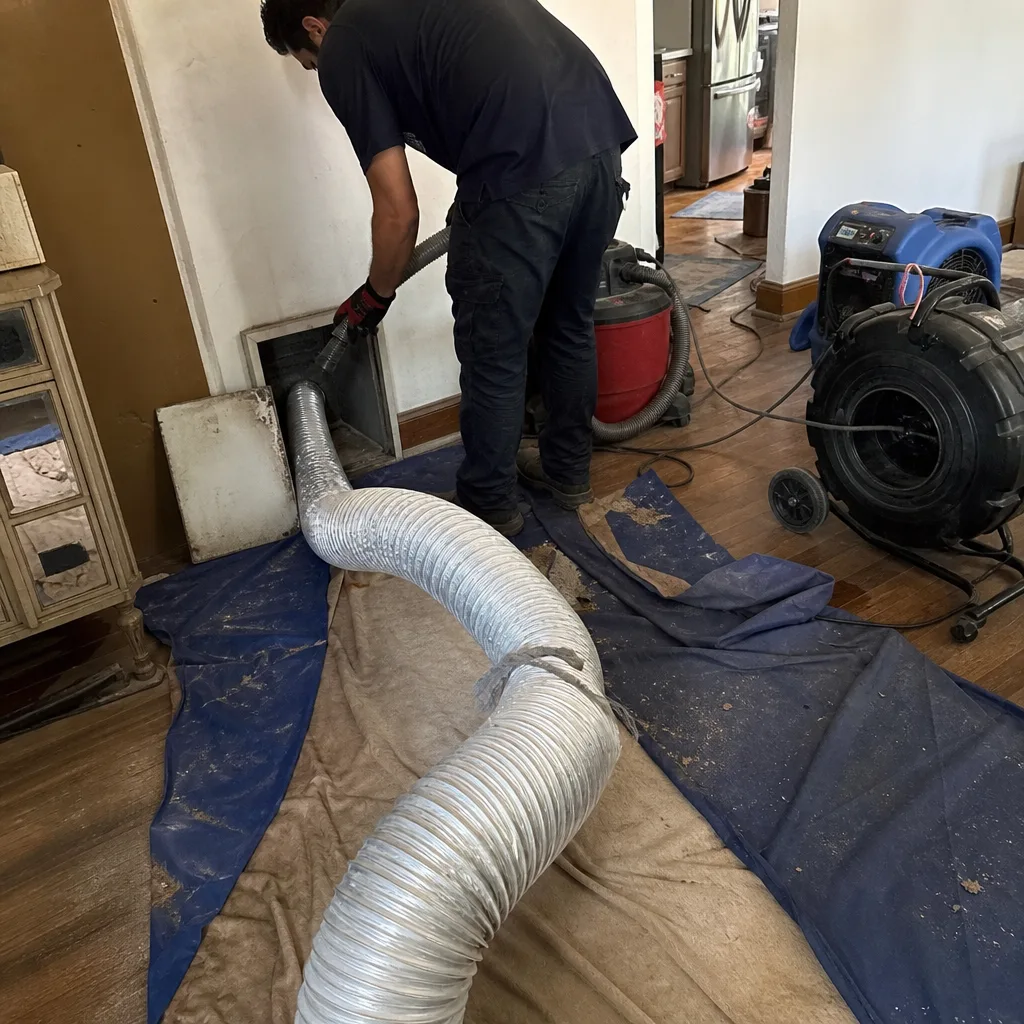 Before
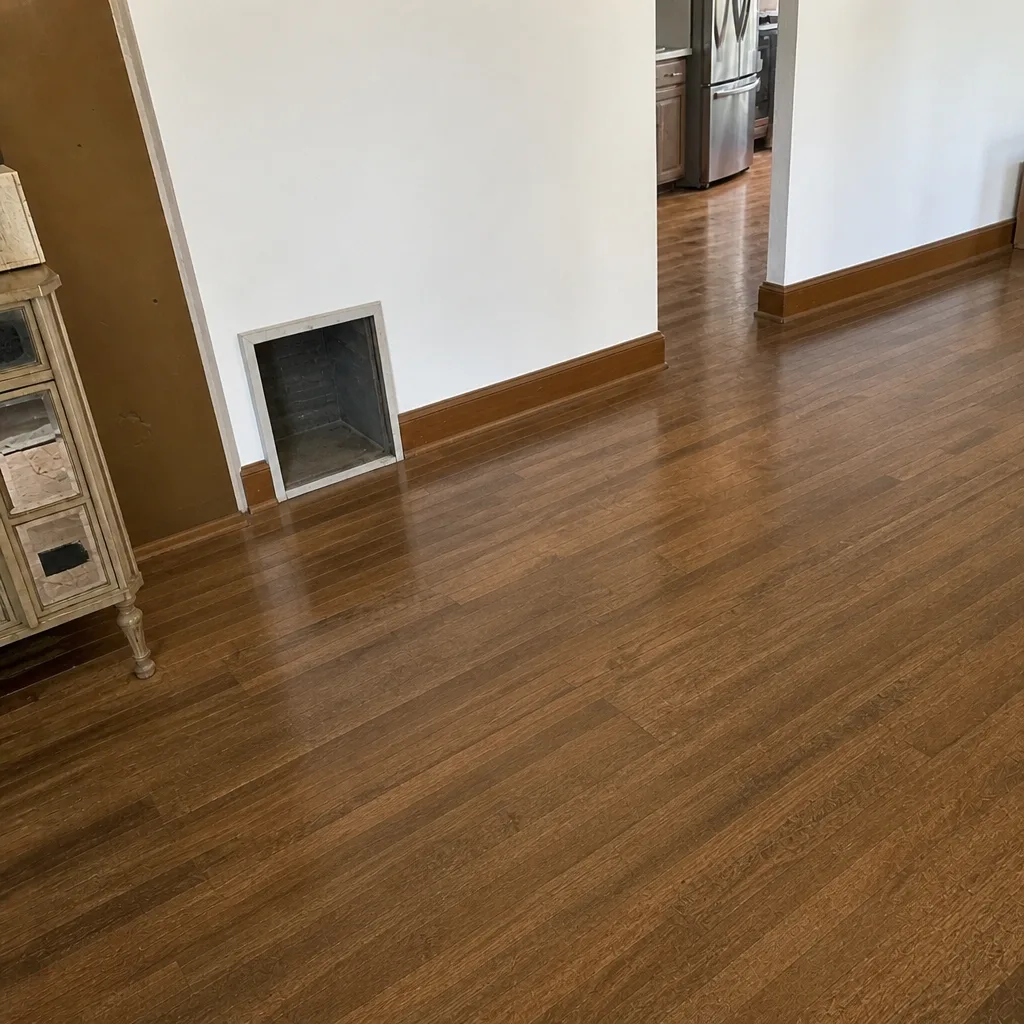 After